Feb2023
The next journey. Now, I was looking for deeper connections. A time to ignore the itineraries and follow the mind.
This time the travel is with my brother Prasad to Bhutan.
Perched on the edge of the Mighty Himalayas, travel to this tiny unassuming kingdom is like taking a Buddha pill. Creates an inner calm (at least till I reached Terminal 3 in Delhi)!
Inspiration source- a TED talk about Gross National Happiness by the PM of Bhutan when I got back form Costa Rica a couple years ago. Bhutan is Carbon negative and tops the league table for happiness. Reason enough to go.
Bhutan is ruled by a much loved monarch Jigme Wangchuck (by far the most popular surname in Bhutan). A constitutional monarchy with a parliament democratically elected. The country defies stereotypes. This land locked country has no Ubers, Starbucks or western food chains. TV arrived in this country as late as 1999! Tourism started in 1980s. Rice is red here. There are more flags than houses. No card machines. No traffic lights even in the capital city of Thimpu! People were driven by karma. Time is measured in cycles. As a strong collectivist culture, individual birthdays aren’t considered important- everyone takes 1st of Jan as their birthday (not good for password choice!!!)
Hold that thought. Keep the scene in your mind alive.
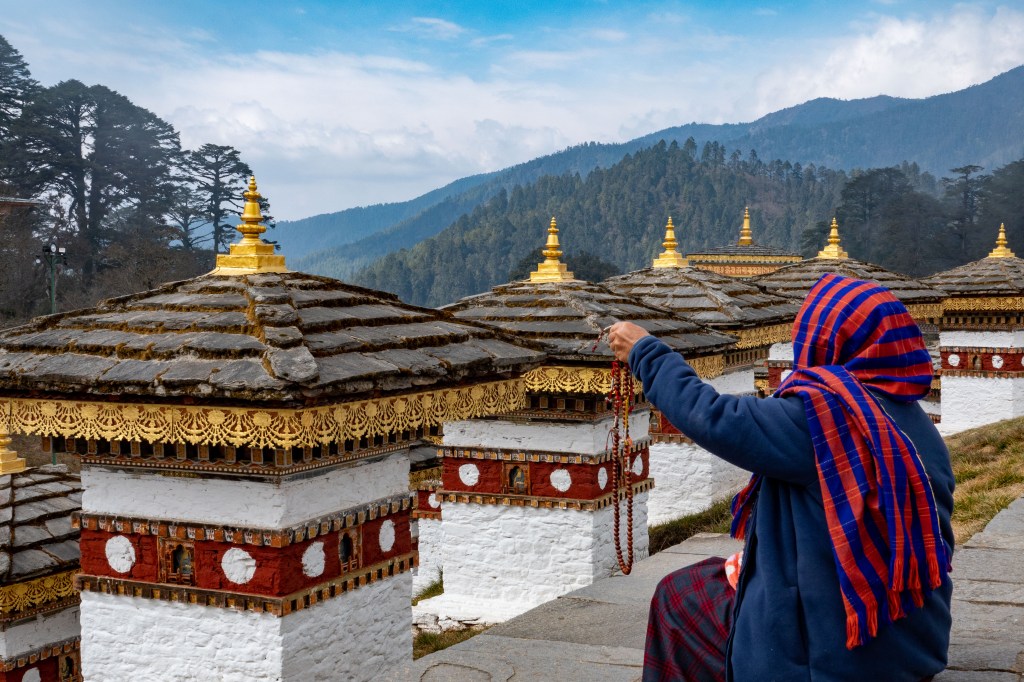
Add boundless meters of flapping colourful flags on mountains, the mighty Himalayas with snow peaks as a backdrop, colourful chorten prayer wheels in street corners, an air resonating with spirituality, marooned by monks, whitewashed monasteries and a symbolic tapestry of faith. The locals are in traditional attire- Ghos which was akin to scottish kilts with a dressing gown for a top! Add an unclimbed world’s tallest peak at 24500feet, rare red neck cranes, Tangka paintings and a country full of trees to this image.
Close your eyes. Mix the two and marinate! What you see is Bhutan.
If you are destined by the Gods and GPS
You land in Paro. The airstrip at Paro is super short and sandwiched in a deep valley. The Druk Airways flight (even the airways sound mystical) is a quaint aircraft that reminds you of air travel in the 70s and takes you over Everest literally. It makes a sharp 45-degree turn and faces this ultra-short landing airstrip of 2000 meters at Paro just at landing. This makes this a challenging landing that only a handful of pilots can handle. We stepped into the most beautiful airport that I have ever seen. Felt like entering into an art museum with traditional Bhutanese woodwork. A vision imprinted in my mind(and my phone of course). It was indeed a vision- of His Majesty the King who inspired the concept to reflect the country’s art, architecture and beauty as visitors walked through its arrival doors. 60 local artists worked tirelessly to produce this fantastic entry into Bhutan. A QR code connects you to the art. For the rest, there is Mastercard.
Even the armed gaurd at immigartion smiled serenly. A happy start, in a happy place.


Kuzu zangpola (Hello)
Punaka Tshechus
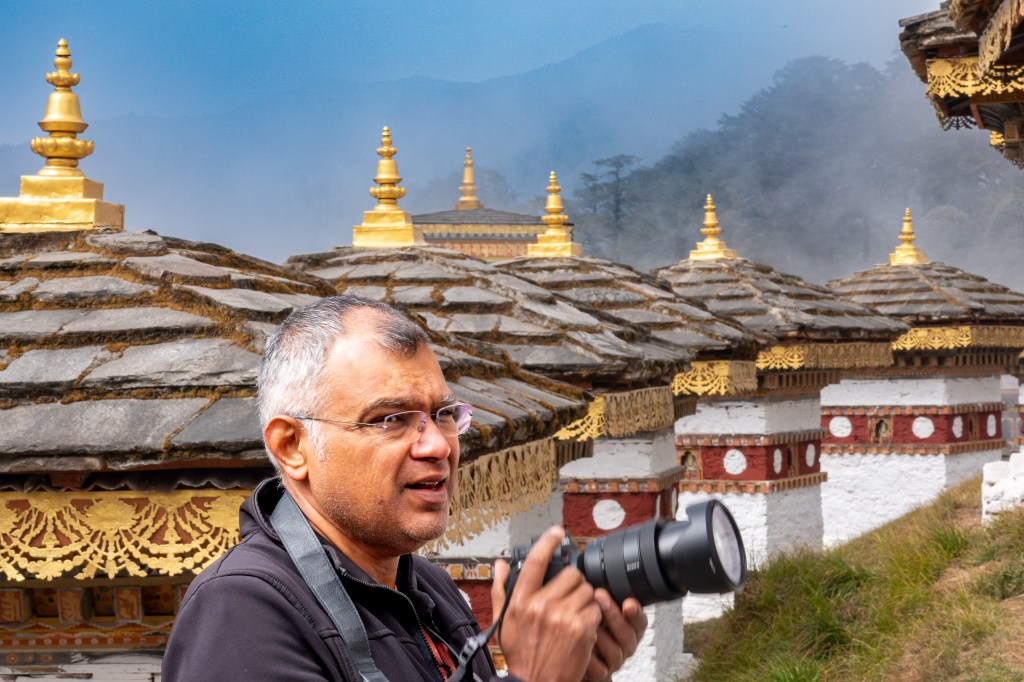
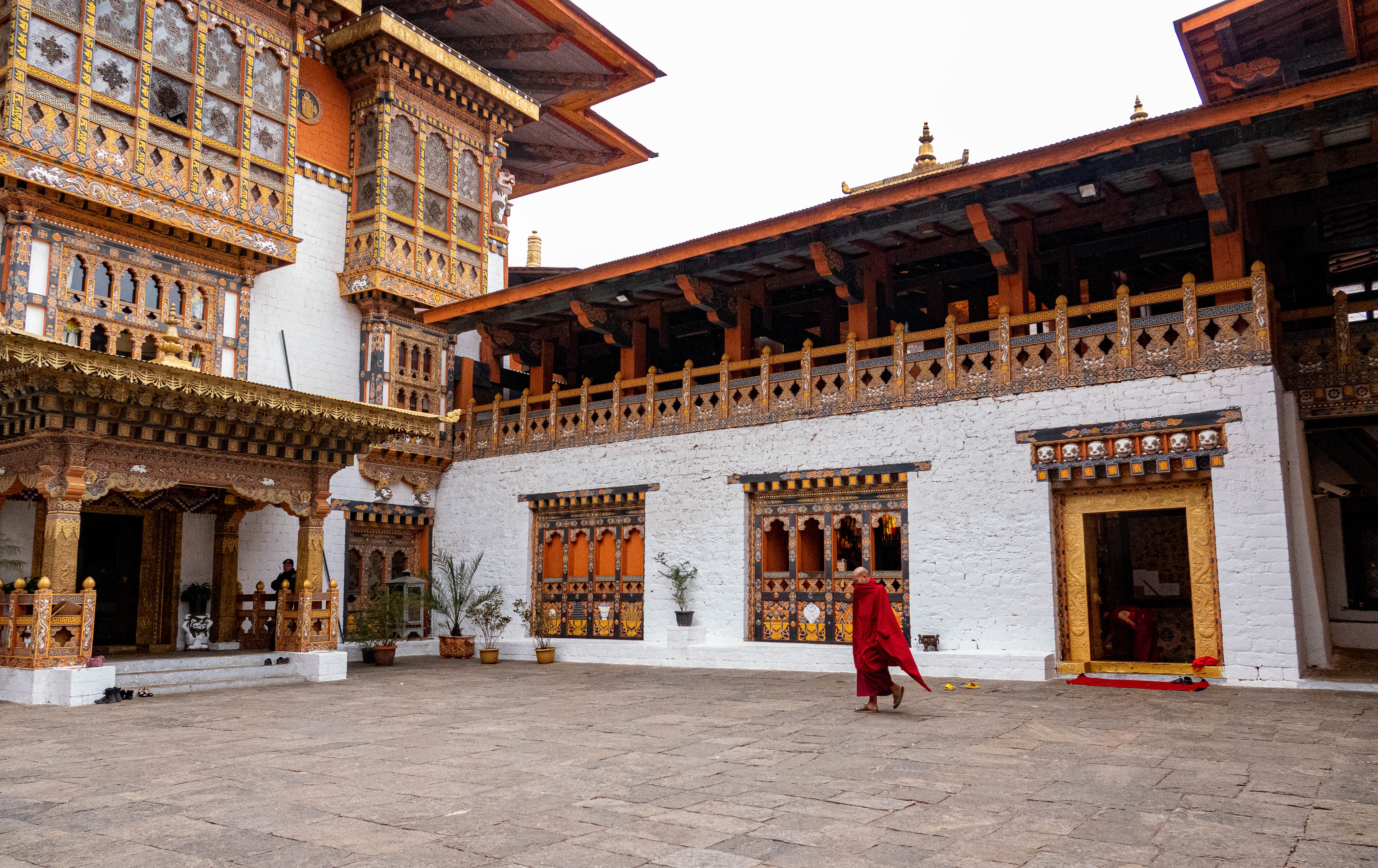
Punakha sits at the confluence of the Pho and Mo rivers(the male and female river according to our diver). As we negotiated the bend of the down hill from Dochula pass, the regal imposing whitewashed fortress -the Punakha Dongz stares proudly at you. Stunning. Sharing some views.
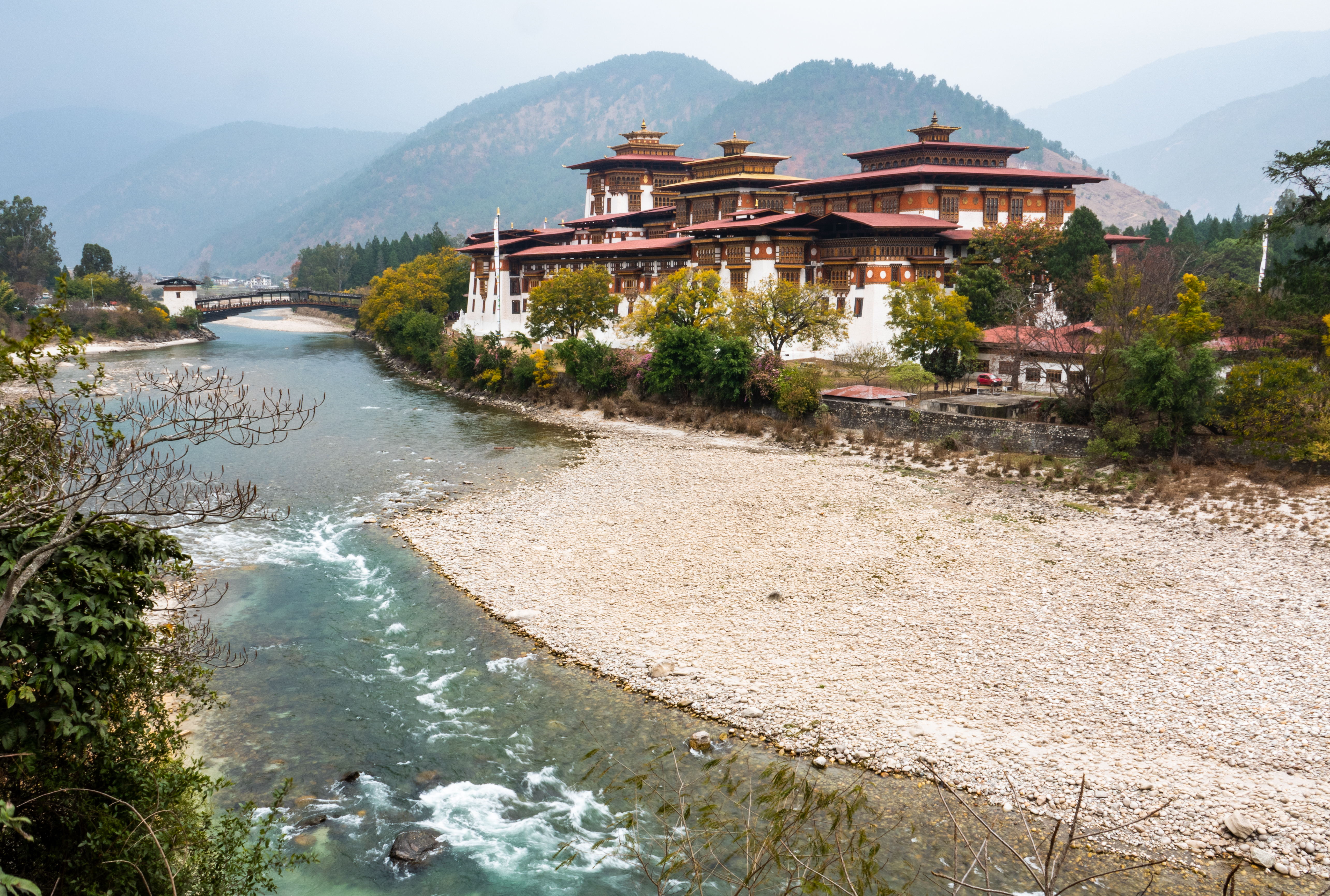
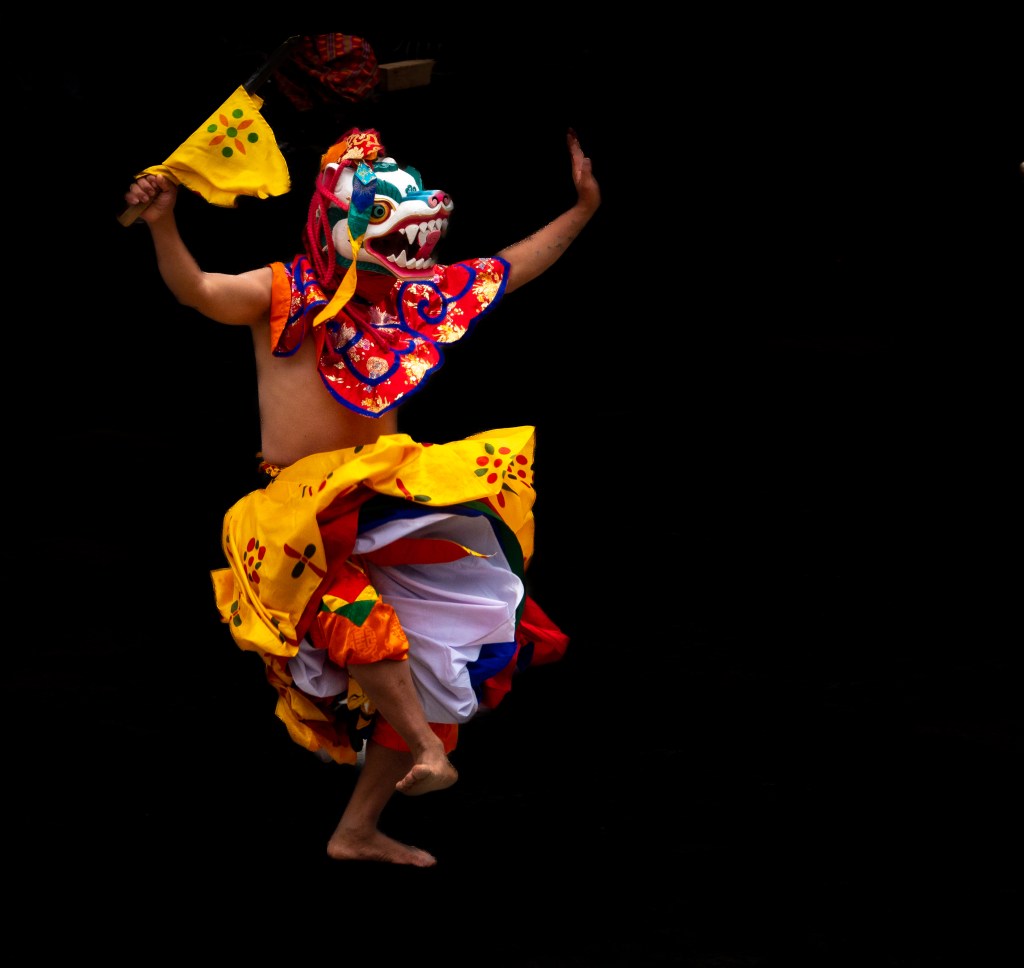
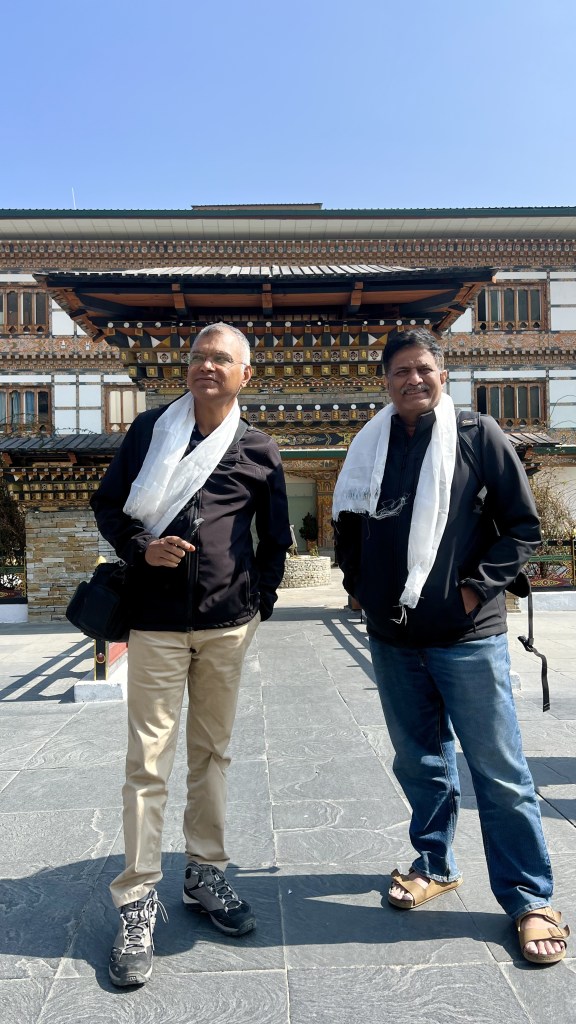
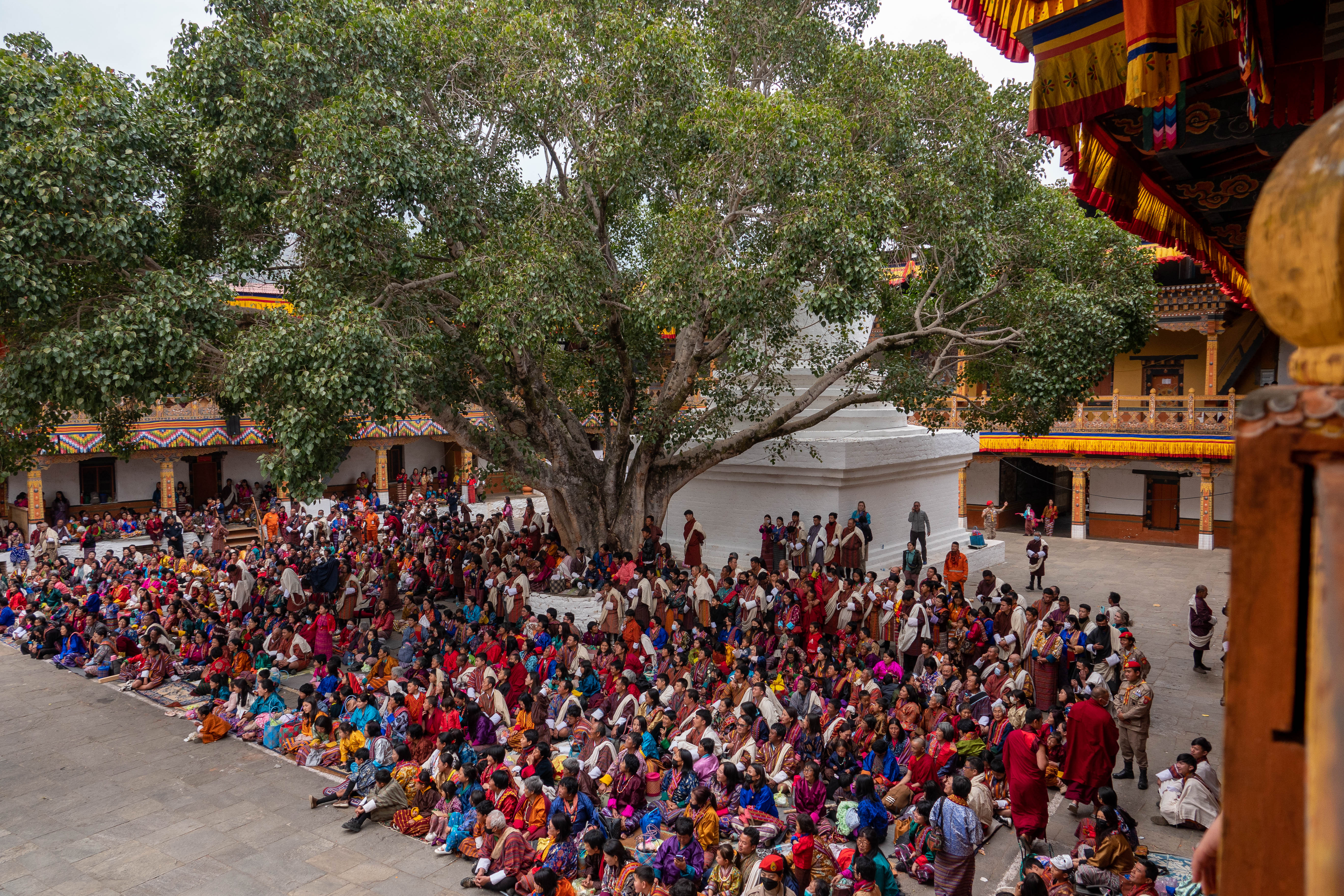
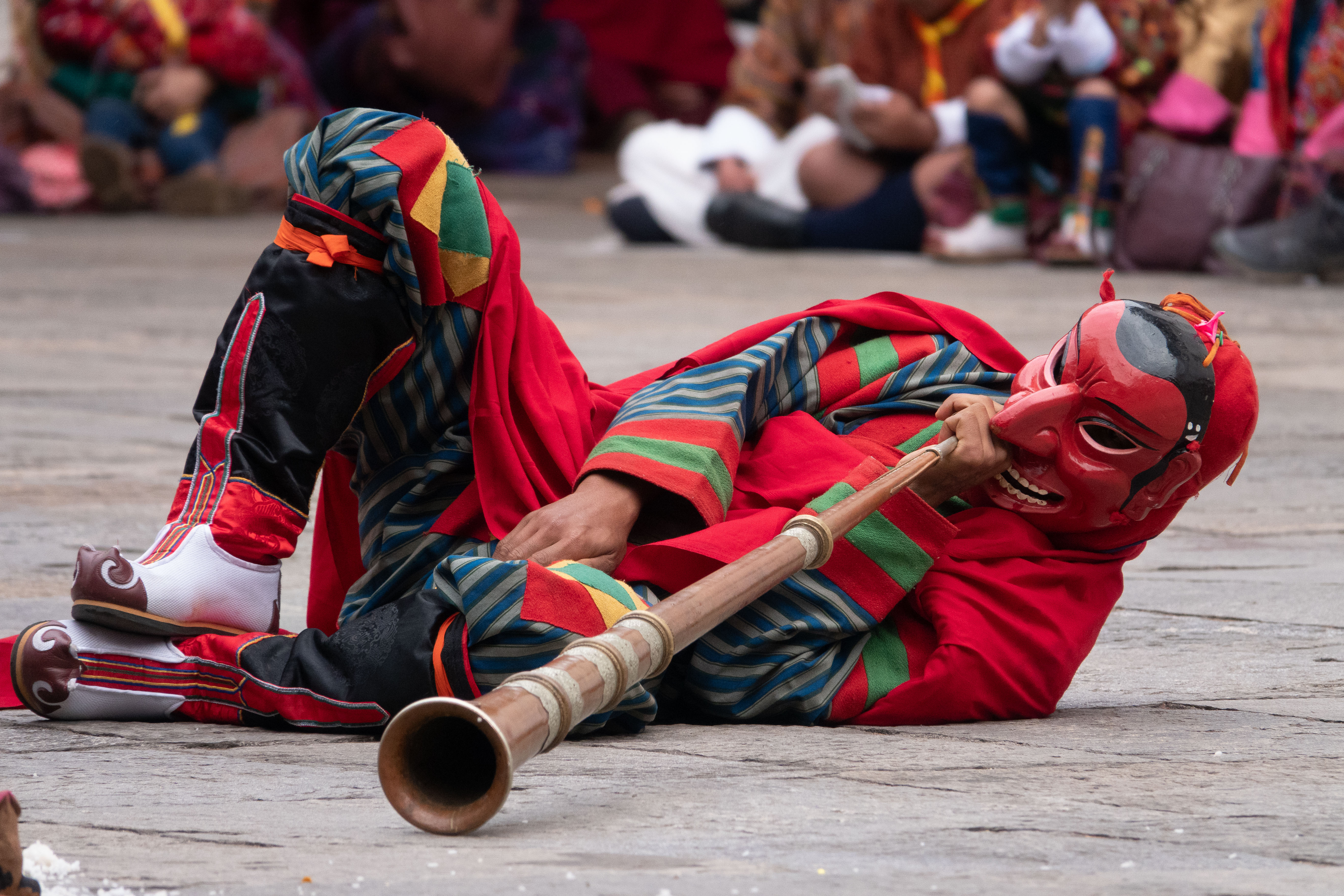
As Ram and Prasad chase the birds with a long zoom lens, my eyes get drawn to a riot of colour at the enterance to the magnificnet Dongz. The Punakha Tshechus in all its glory was on. Tshechus is a local festival where locals dress up in their finest and come to the Dongz for the day to witness colourful dance dramas in lavish costumes with a big tangkha painting of Guru Rimpoche unravelled on a tall Dongz wall.
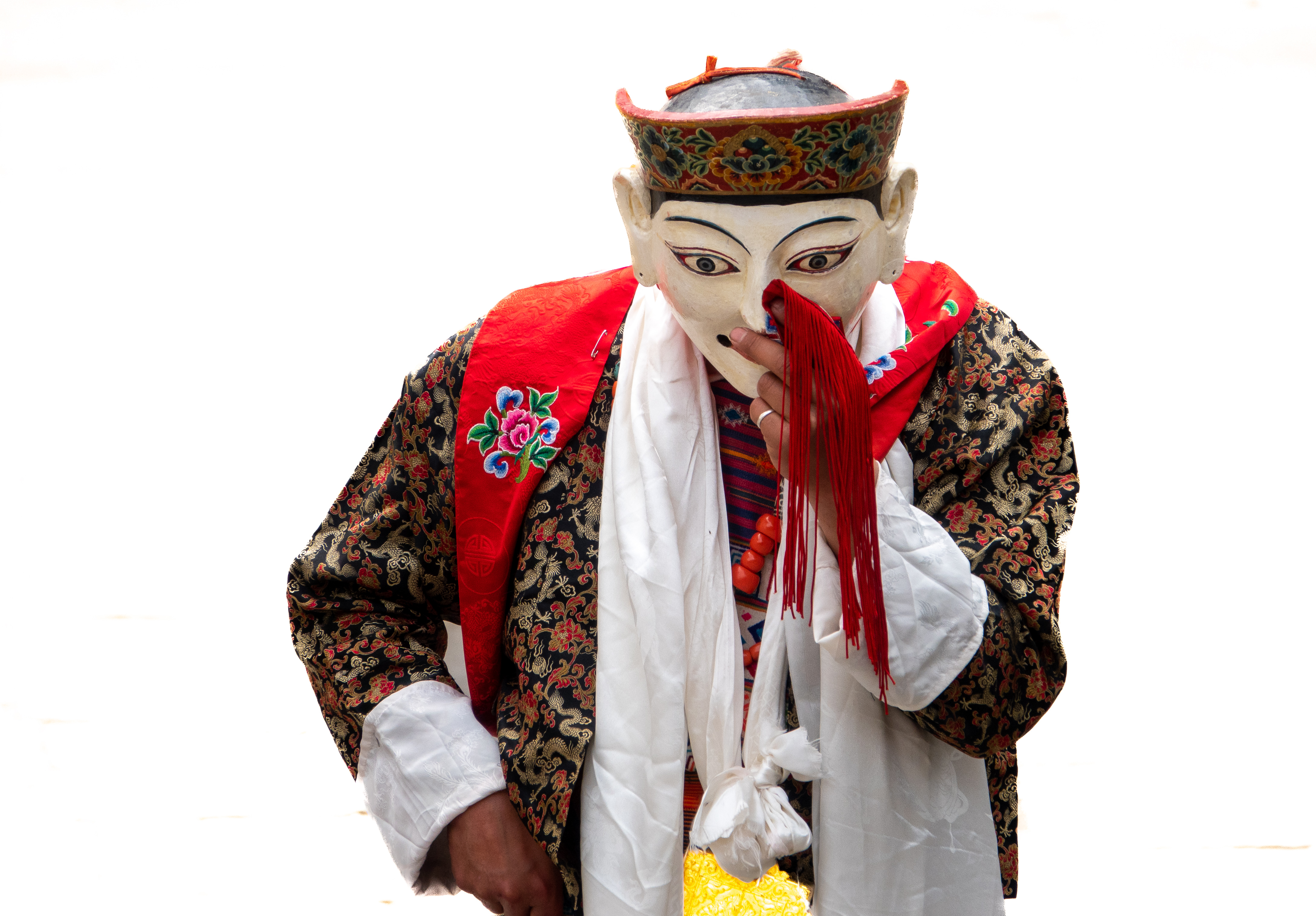
The day long open air event is a riot of clour and hosts masked dancers, monks dancing, jesters and there is a Tantric cham. One of the tantric visual aids for meditative practice is the mandala, which means “circle.” In Buddhism it is a device for leading the initiate deeper into the realization of the nature. The dancers are accompanied by monk musicians chanting and playing long horns, clarinets, cymbals, drums, and conch shells. The red-masked Atsara figure is a traditional comic character, his act combining wit and wisdom, humour and responsibility. His role is to help the audience to forget their worries with his jokes and to puncture their self-importance, hypocrisy and false propriety through his pranks.
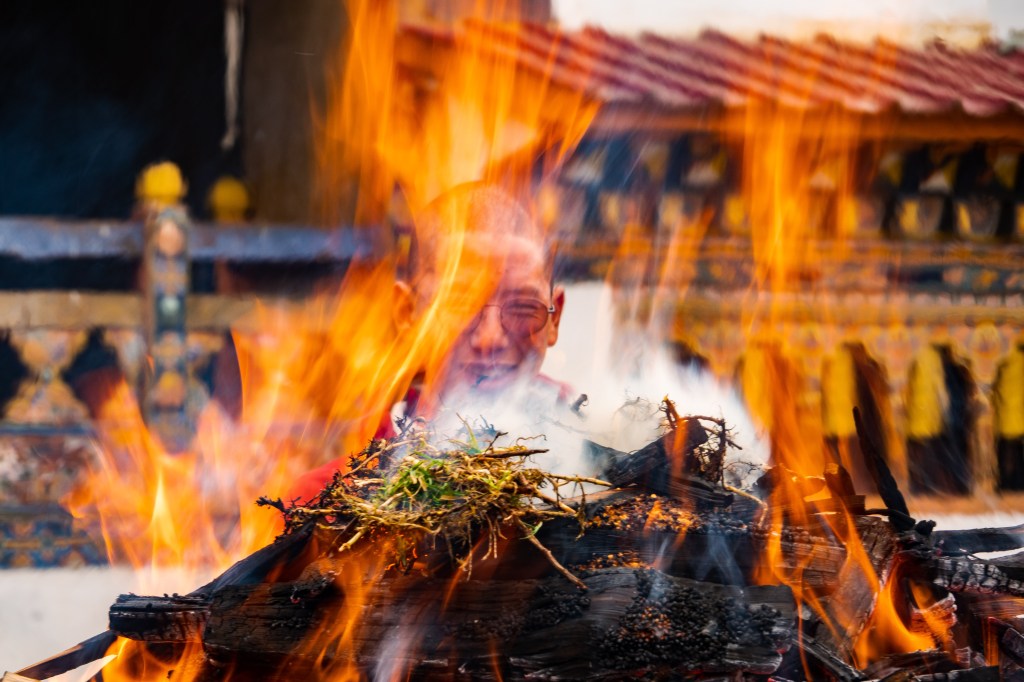
The atmosphere was festive. The musedover the faces behind the masks, the monks who watched the world go by, the long barritone of the horn and a rather bored head monk was central to the fesitval. A scene to remember.
If the traditional male dress of Goh reminded me of the Scottish kilt, the Tshechus was akin to The Edinbugh Fringe!
An absolute do not miss in the trip to Bhutan!

I say this again, its people who make the differance. (A dollop of stunning scenery to this does’nt hurt).
Now for the photostory.
Dont worry, Be happy
Gross National Happiness (GNH) -heard of it? The term ‘Gross National Happiness’ was first coined by the fourth king of the Kingdom of Bhutan, King Jigme Singye Wangchuck in the 1970s. GNH was more important than GDP he stated. This is achieved by incorporating 4 pilars into the constitution (Governance, cultural and environmental preservation and socioeconomic development). People are the happiest and country is green. Not a coincidence surely. Bhutan has weaved sustainability into its national identity. This is in the face of increasing tourism (which only opened in 1974, by the way) Most tourist pay a daily fee of $200 (SDF -Sustainable Developement Fee) which contributes to basic accomodation, a guide, internal non flight travel. A daily sustainable development fee of $65 is also included in the package. This goes towards funding education, healthcare, and poverty alleviation, along with the building of infrastructure to accommodate growing tourism. High value low volume tourism concept.
Children are taught hapiness in school. Time I caught up on these missed lessons.
Mindfulness city-heard of it?
6 weeks ago, the Monarch announced this riveting concept city to be created close to the Indian border. Gelephu-the mindfulness city. The masterplan shared features ribbonlike neighborhoods in the new City resembling paddy fields, cascading terraces from hills to valleys. The city’s density gradually increases from rural to urban areas, facilitating a smooth transition between different living environments. Shaped by waterways, Gelephu becomes a land of bridges and connect concepts of past and future. I read they house airports, meditative staircases, traditional Dzongs (monasteries) etc.
What an amazing future plan!!
Eye of the Tiger
For the few who have googled Bhutan, the first and lasting image of this spectacular Monastery perched on the edge of a 3120m vertical cliff called the Tiger’s Nest would have flashed up. Paro Taktsang monastery is a cliffside Buddhist temple in the upper Paro Valley in Bhutan. Accessible only by foot, the site is one of 13 small “tiger lairs” where eighth-century Buddhist master Padmasambhava, also known as Guru Rinpoche, is said to have meditated. It gets its name because he is said to have made his way here on a flying Tiger. He finds a cave on the sheer rock face and meditates for 3 years, 3days, 3hrs and 3 mins. From the vantage of a wooden bridge, the valley unfolds — golden light casts a glow on tree-covered mountains and sacred peaks. Prayer flags with tattered ends that have been eaten by a hungry wind are hung precariously over a drop-down dead gorge. We trudge skyward with locals and claret-robed monks and enter the cave.
“We call this the wish-fulfilling temple,”
Fully soul filling it was indeed!
My blog check list– Food. The locals clearly believe that meal without fiery chilli is unworthy. If you agree (as did Deepika Padukone), you will be in heaven. Even before the praying monks!! The country’s national dish -Ema Datsi is strong “Dole” (a red chilli) , local cow cheese. Replace chilli with crowd pleaser potato-it becomes kewa datsi. Ezay and thingey- are side kick chutneys and a must to taste . Best with hot momos. I watched and learnt our homestay hostess Lhakpa, make the spread and realised the locals like simple easy assembly cook (not exactly Avadhi dum biryani). Suju, the salty butter tea followed from Ladhak her and was make of yak lassi- or dare I say- “yuk” milk! These were the best around the Bukhari (a central heating Aga like room heater) in Gangtey village. 3 Michelin stars straight for ambience.
Try out the “Dotsho” the hot stone bath with some mugworts thrown in. Try it at Punakha Aman resort if the pocket is feeling heavy!
And a “dolma” paan if you want red lips and teeth stains via a legal stimulant to give you the spins. For me, the altitude and company was enough!
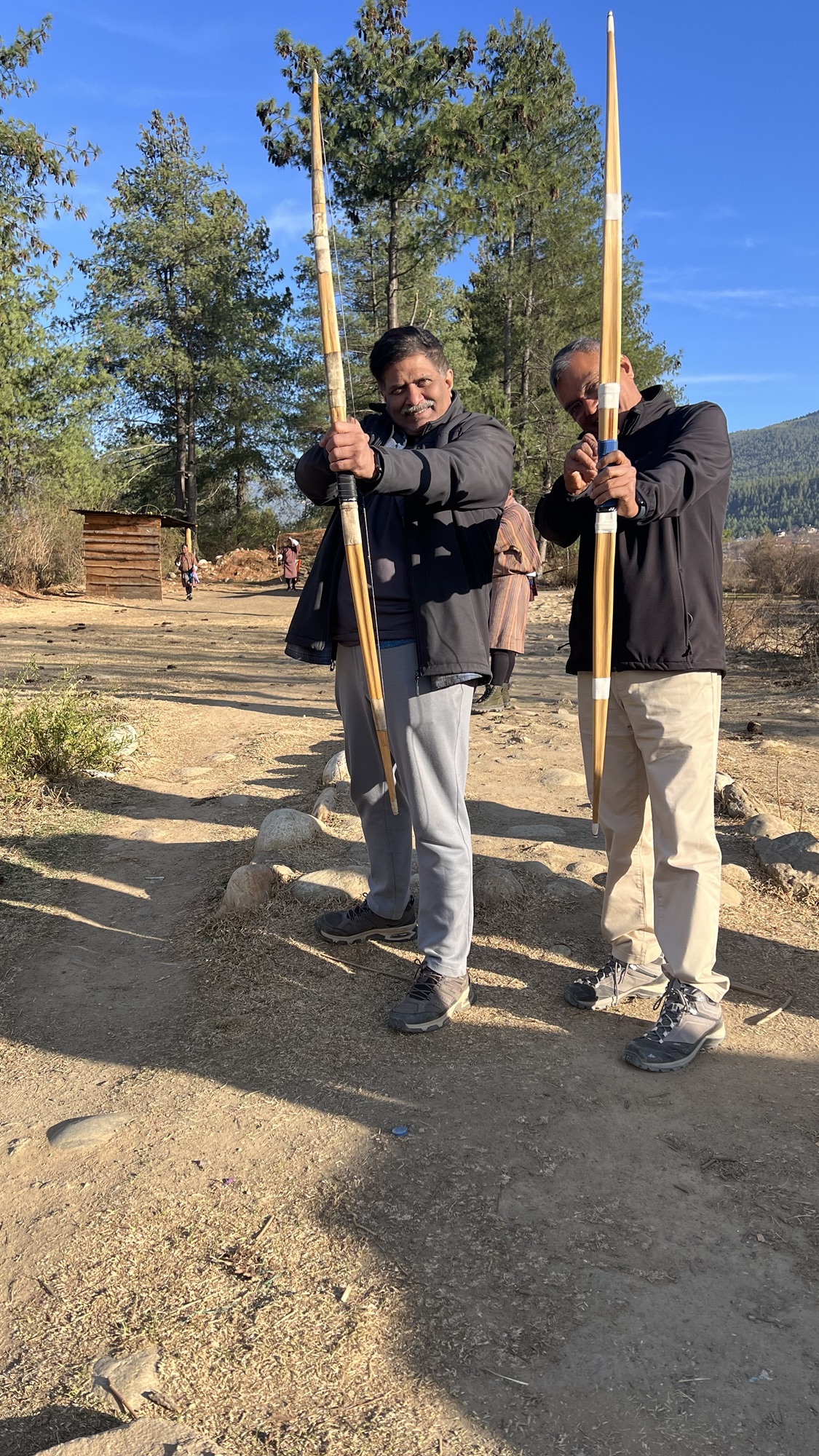
And, dont miss a hand at Archery-the national sport!

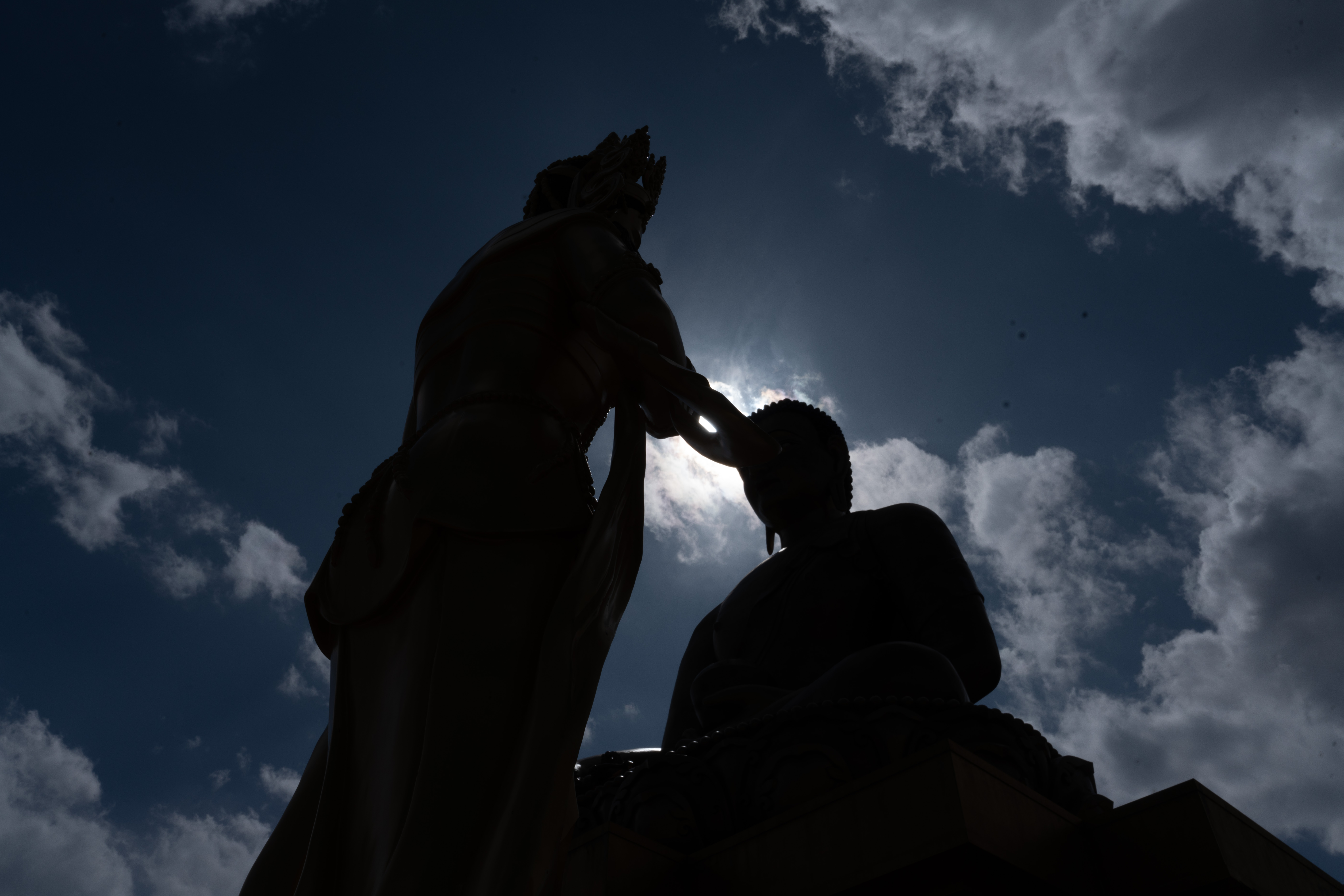
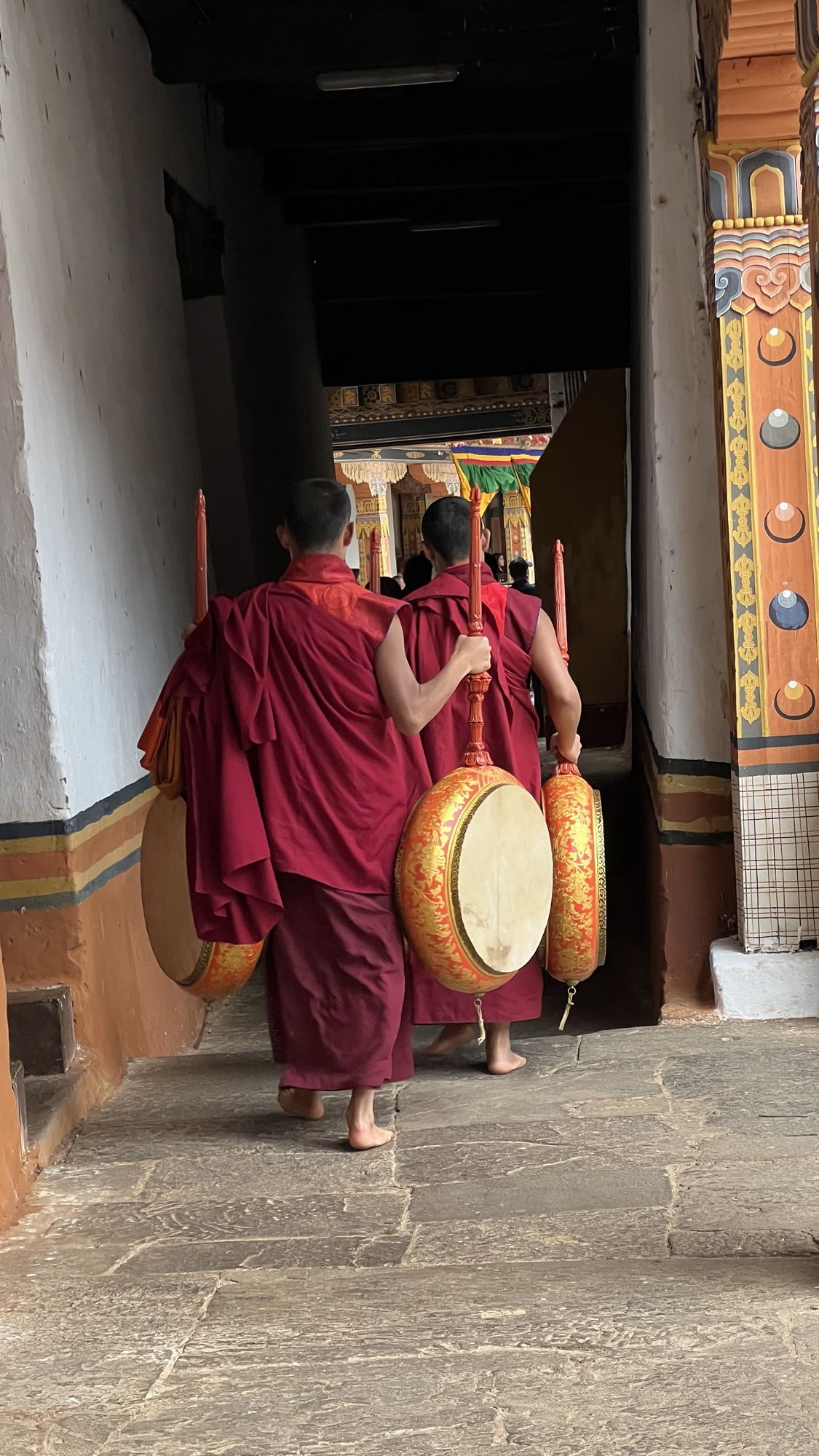
Om-Mani-Padma-Hum
The chant to enlightenement. Two portals- the flag and wheel!
Flags everywhere
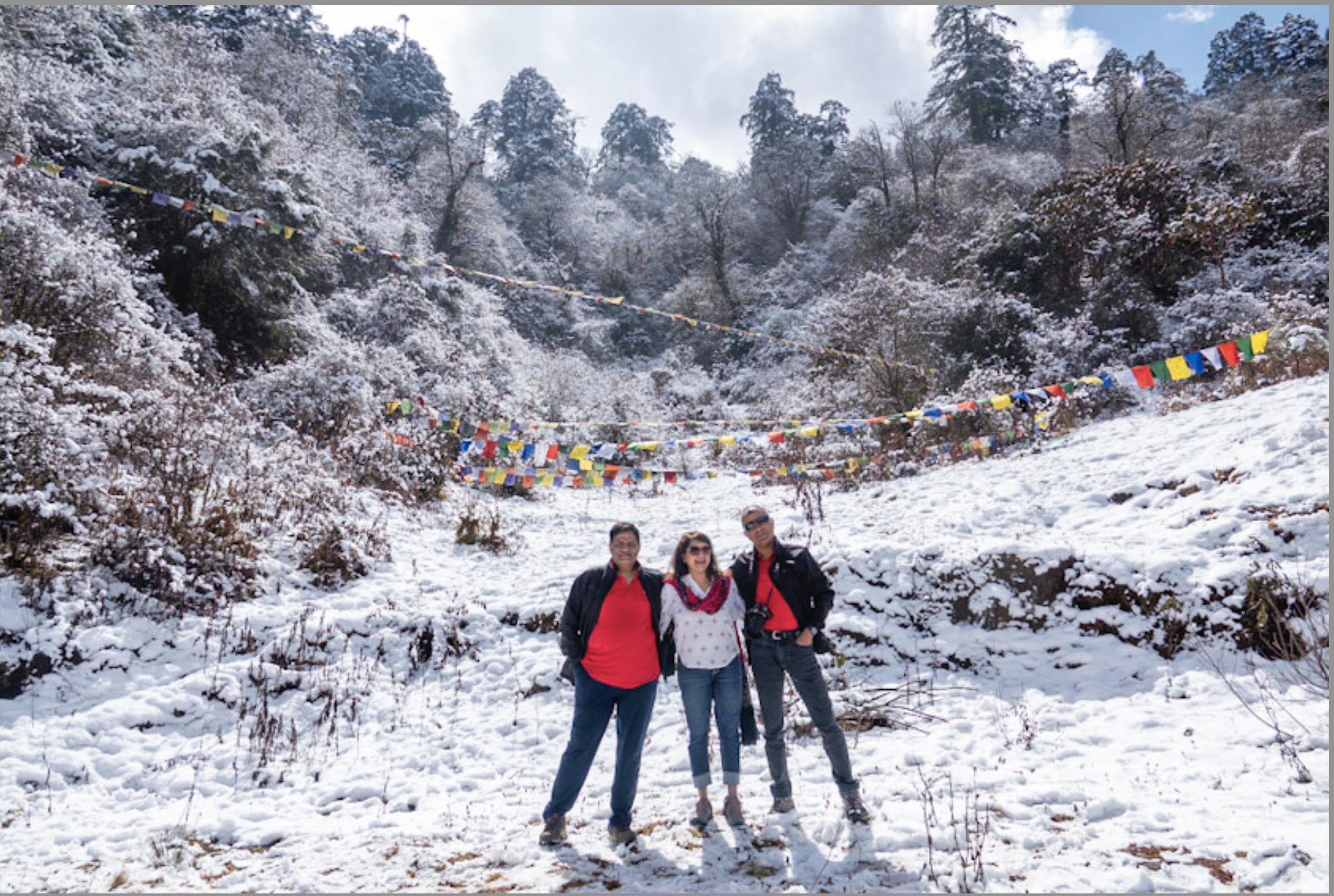
The prayer flags of Bhutan casts the fluttering magic spell everywhere. Ubiqutous. The flags come in basic colours, have deeply religious mantras inscribed on them. They are tied in spots where the wind force is the best. Each flap, releases the mantra into air, each flutter multiplies it to the heaven. The five colours represent the five basic elements of nature: earth, fire, water, air and sky. They can also represent the five basic emotions: joy, fear, sadness, disgust and anger. A positive mindset and pure intention sets our Karma and this is carried by wind above. The flags had me in Ladhak but they mesmerismed my soul constantly in Bhutan. The tall verticals (Dachog), the reems or rows (Dhars), the white verticals (Manidhar) signify various senitments and as they fade, it is beleived the prayers have been despacthed and accepted.
Wheels in motion
Again seen everywhere. Spiritually rivetting.
Buddhist texts speak of “turning the wheel of dharma” which led to the concept of the prayer wheel, a mechanical device that consists of an embossed hollow cylinder and a rod that runs through its height. Inside the rod is a tightly rolled-up scroll of mantras.
Spinning the prayer wheel is equivalent to reciting mantras. Each spin of the wheel is as effective as reciting the mantras orally, multiplied by the number of times the mantra is printed on the scroll. A common souvineir, portable hand help wheel (Mani) , a wind wheel in the centre of Paro, a water wheel .. they all turn clockwise . Turn it once in your life and perhaps it will cleanse your karmas and create a right rebirth! Believe in Bhutan!
Bhutan, Believe
A tagline that speaks the unspoken.
Bhutan is at the cusp. There may not be a Starbucks hiding behind the Wangchuk homestay yet, but certainly the Google impact on balance between tradition and modernity is happening as we speak. Will GNH become complementary to GDP and macro economic reforms? What happens when the youth of Bhutan travel west and return home a generation later? Does Bhutan not have to keep pace with the fast changing world? Will the Khira and Gho be in garment bags next to torn jeans and T shirts in the Bhutanese cupboard? What about the brain drain of the youth to Australia? I could snse a gaurded approach to embrace the big bad West. The locals steered away form small talk about “western infulenece” that might complicate the Bhutanese Tourism Board narrative of the only Shangrila status. Is it going to be the last “Shangri La standing”?
Well, as Buddha says You can only show the way..
Hope I have inspired you to try this tonic for the soul travel one day! Dont leave it till too late, Starbucks may beat you to it!
Thank you for reading, Kardin Cheyla as the locals say!
Discover more from kalpa'sblog
Subscribe to get the latest posts sent to your email.

Brilliant; You took us to Bhutan through your lens and words.keep exploring and spread the happiness😊
LikeLiked by 1 person
Thank you
LikeLike
Thank you. glad you liked it and hope to share my next blog too.
LikeLike