Summer 2023
Destination Madagascar
Like every other tourist, I went looking for lemurs. I came back fascinated by the Malagasy people and more taken by the intensely fertile burnt orange soil of this almost extra terrestrial piece of mother earth. In an artist palatte, the shade would be described as “burnt sienna”. An intense orange sun in a bluer than blue sky above and a vivid burnt orange soil to match below. A match, making this heaven!
Madagascar. A place which screamed of “Utter otherness”(to coin a phrase)! Wikipedia will tell you that it is the 4th largest island, 250km off the coast of East Africa in the Indian Ocean separated from Africa almost 100 million years ago. It is home to more than 200,000 species of fauna and flora, including 11,000 endemic plant species, 420 different kinds of endemic reptiles making it a biodiverse hotspot.
What it will not tell you is that it is a bit of French, a bit of Afrikans, a bit of Borneo, a lot of unique madness and very wild and very poor! Evolution towards oblivion!
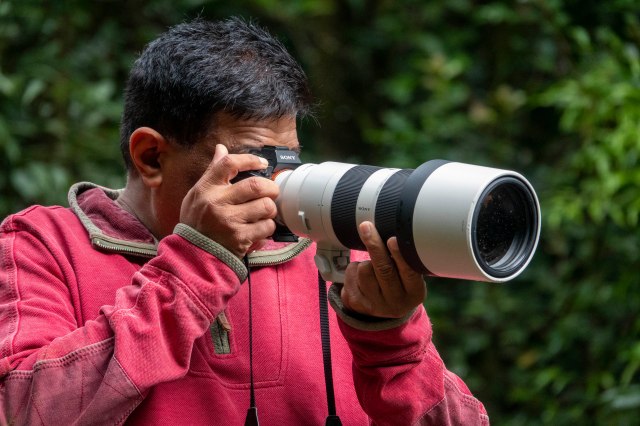
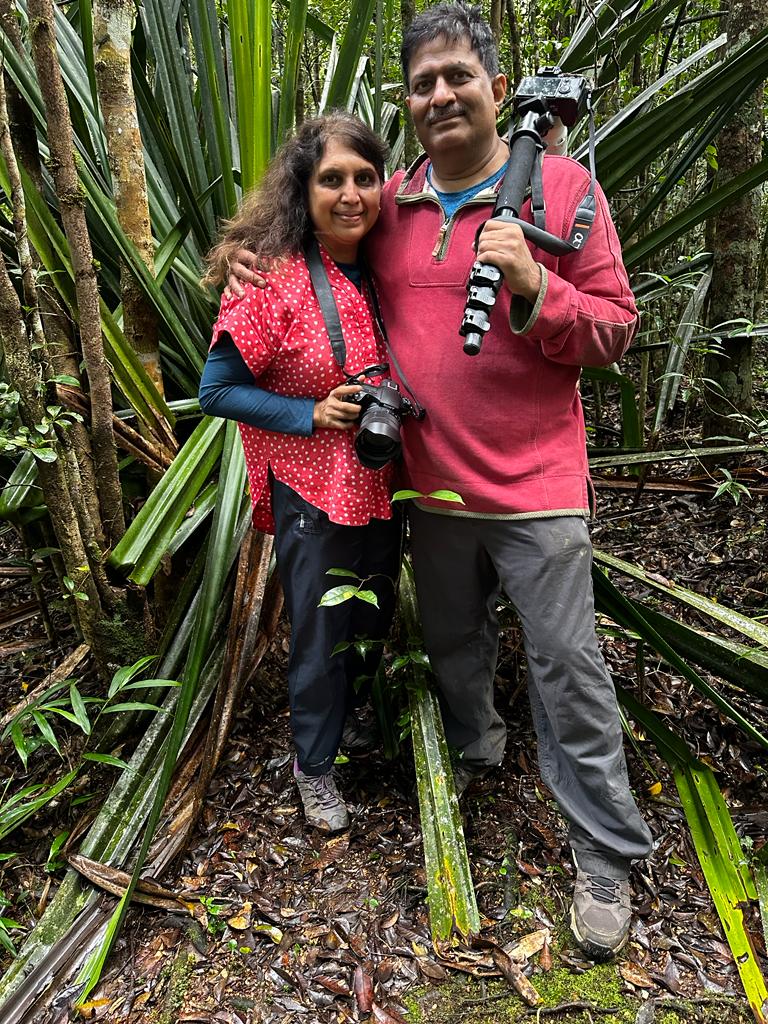
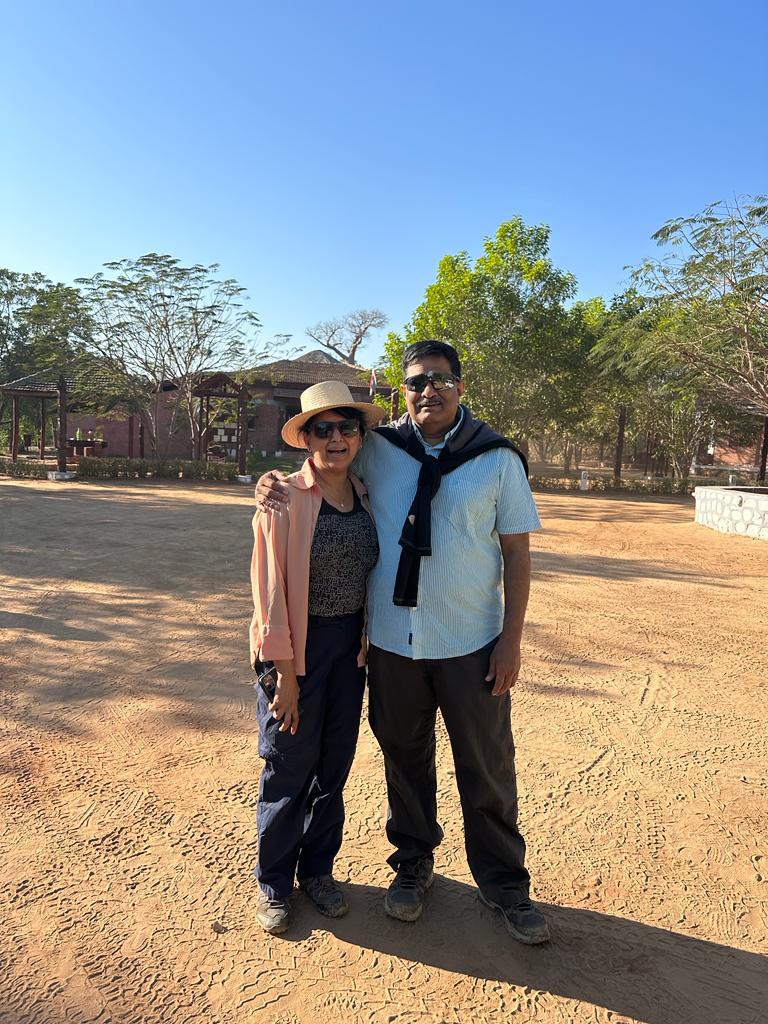
Come, let me show you Madagascar through Ram’s telescopic camera eyes and my own reading glasses adorned eyes!
Imagine a cloud or great melee of russet brown dust, add a Cebu (bullock) cart and a dark skinned innocent Malagasy lad atop. A glorious sun. This would be the setting.
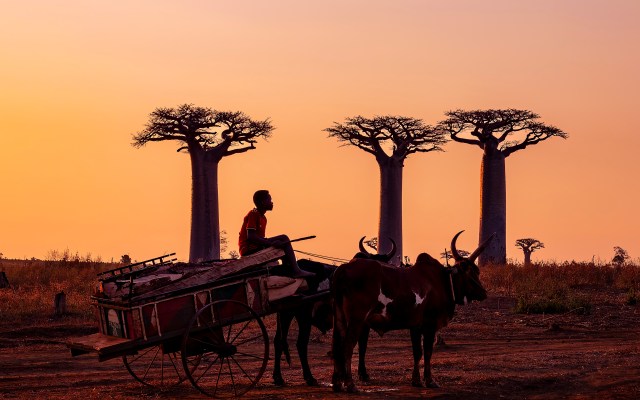
The scenes would be Michelin Madagascar(the terrain is like unique courses by a master chef)+ the Malagasy people (the centre point)+ Faddy (the unusual culture) + Poverty and Corruption (+ the sad reality of Madagascar) + the Madagascar Vanilla!
Michelin Madagascar
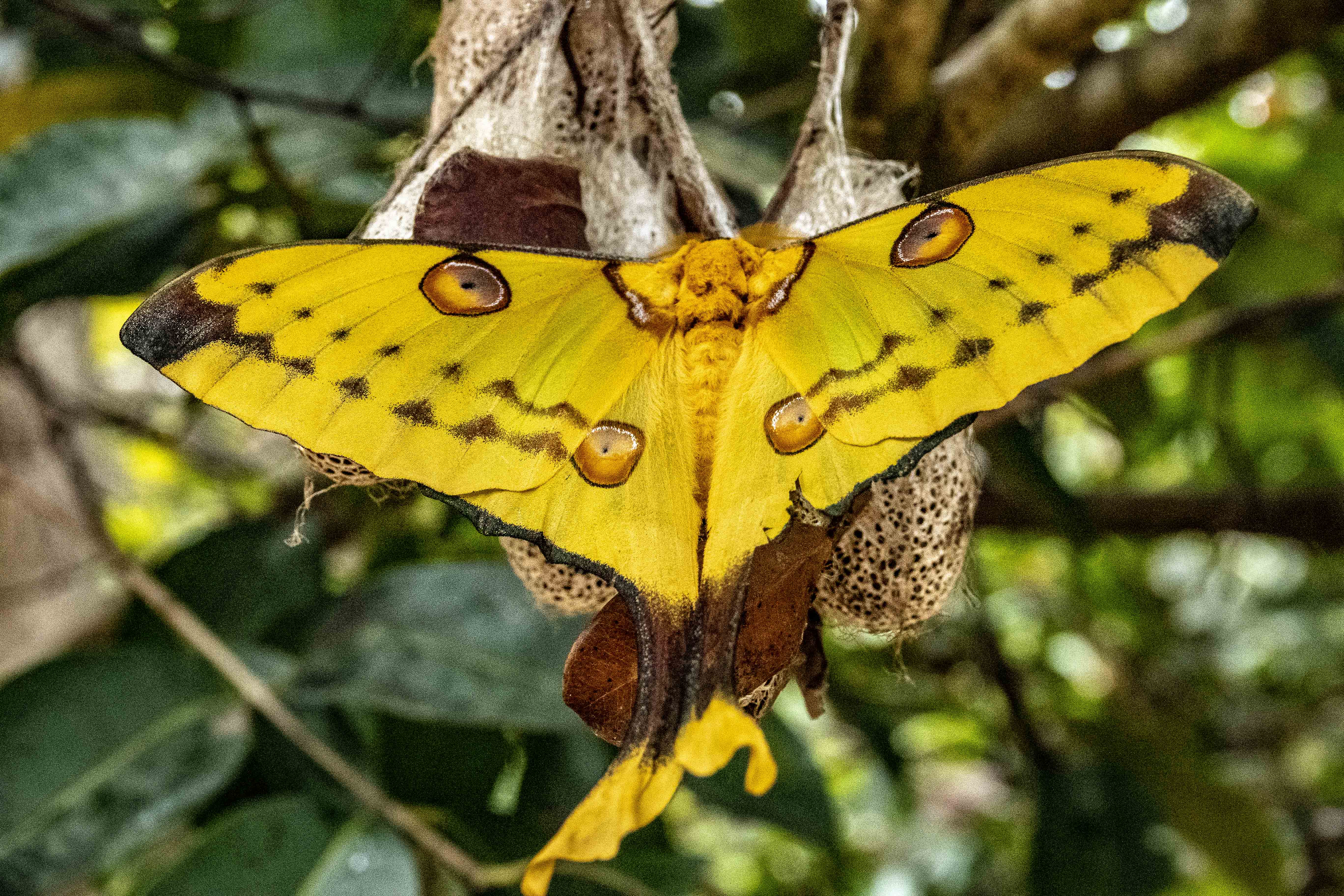
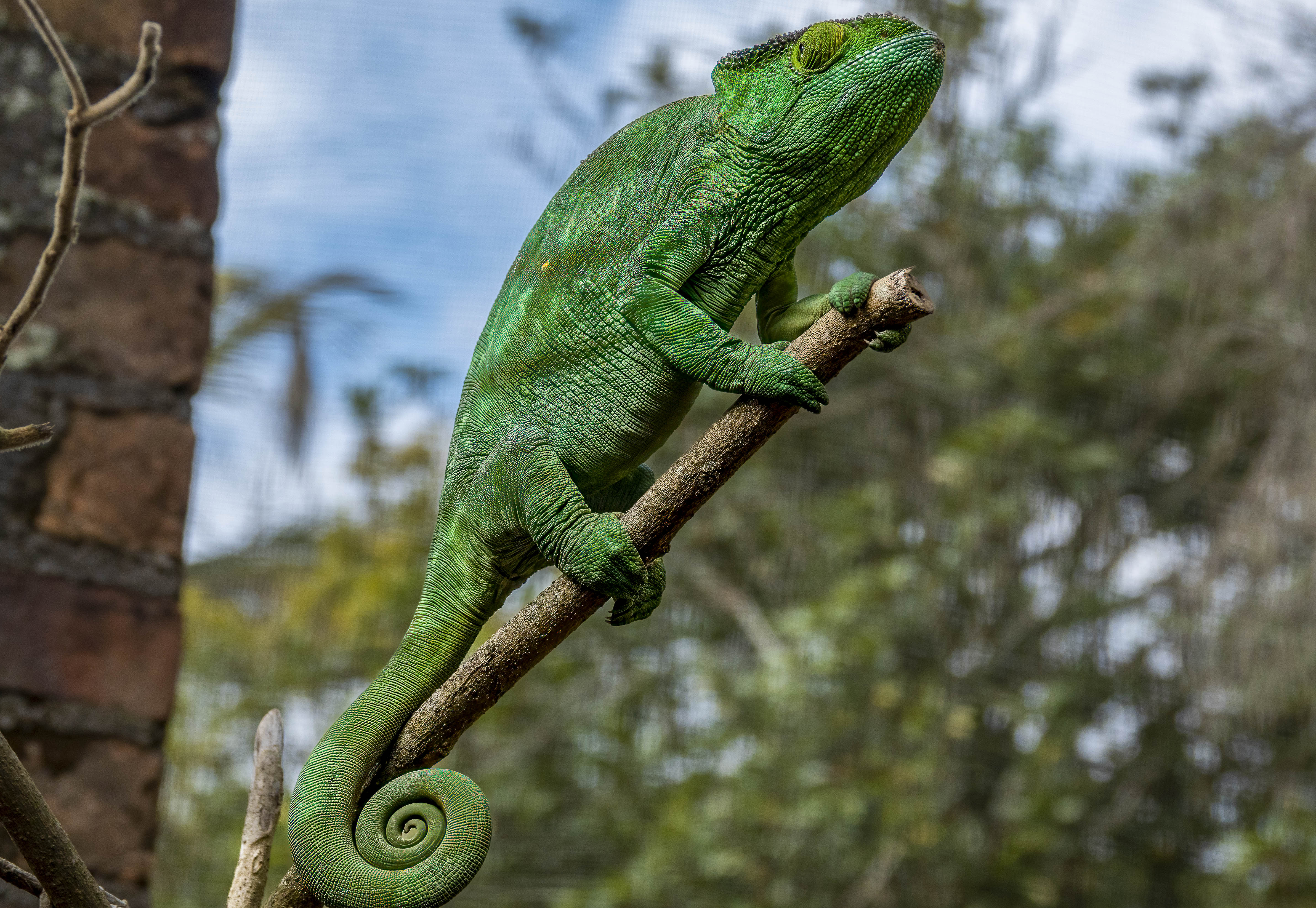
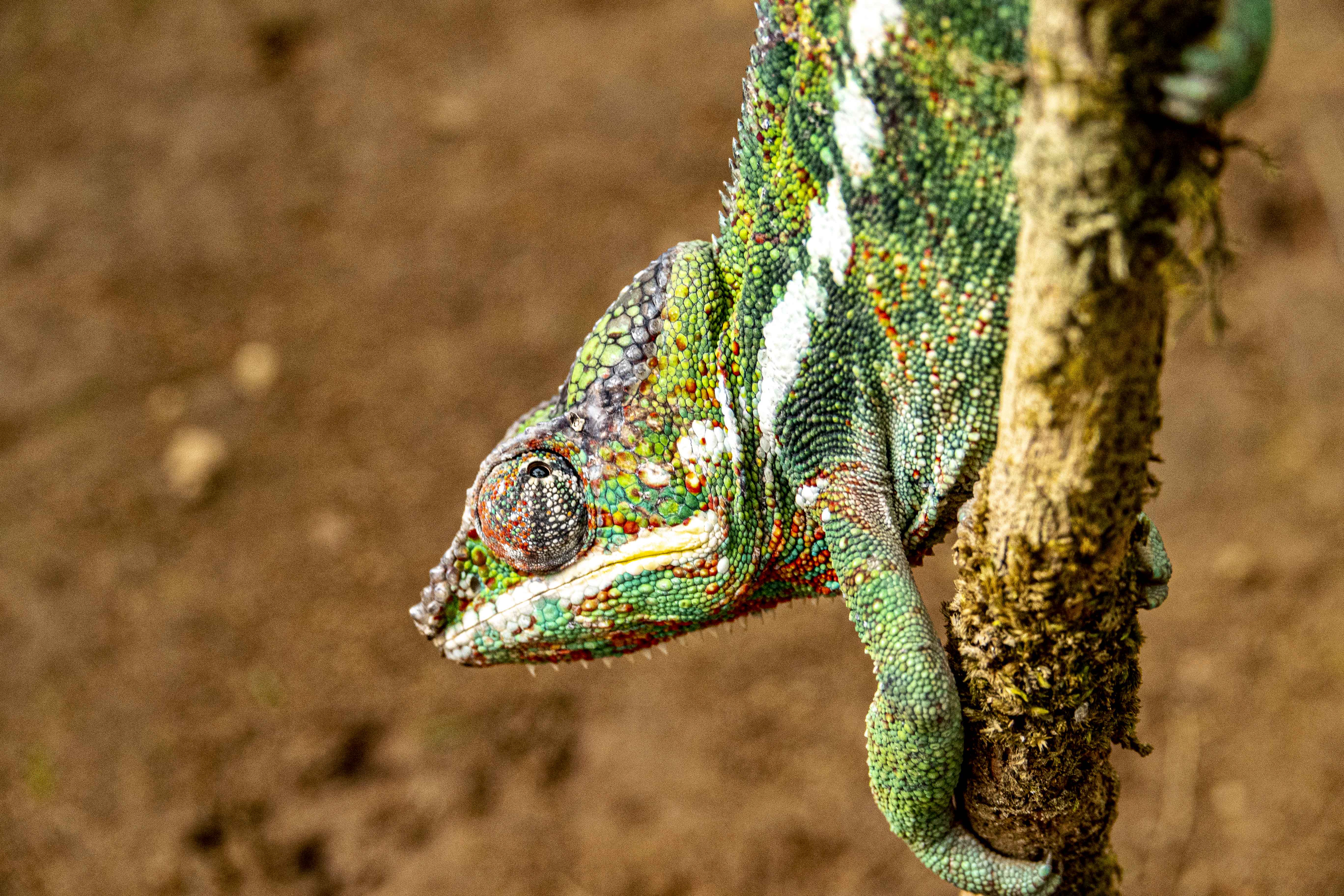
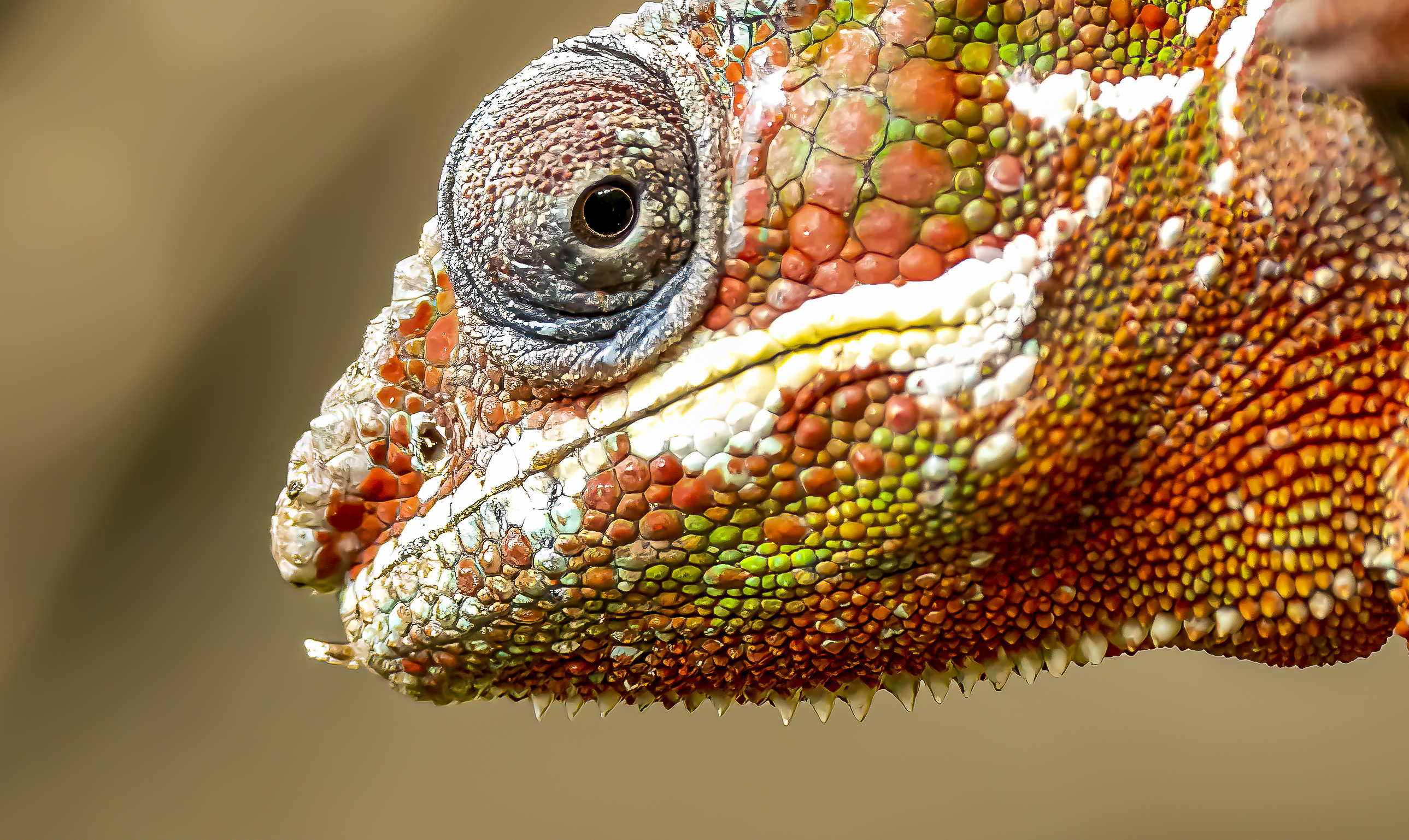
A restaurant is usually awarded a Michelin star based on the quality of the ingredients, the harmony of flavours, the mastery of technique and it has to have a personality! The 200,000 plus species of flora and fauna, neon coloured chameleons, the lemurs, the sacred Baobab trees, the long leaf orchids certainly are a few top quality unique ingredients. Not to forget the gremlin-like aye-ayes and satanic leaf-tailed geckos, indri indris, sifakas, fossas. The harmony of the dust and people lends personality to this biodiverse island. Ultimatley, what you see and hear in Madagascar, you only can see and hear in Madagascar.
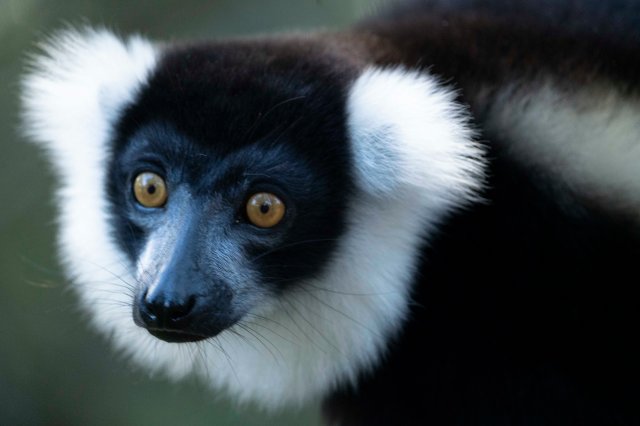
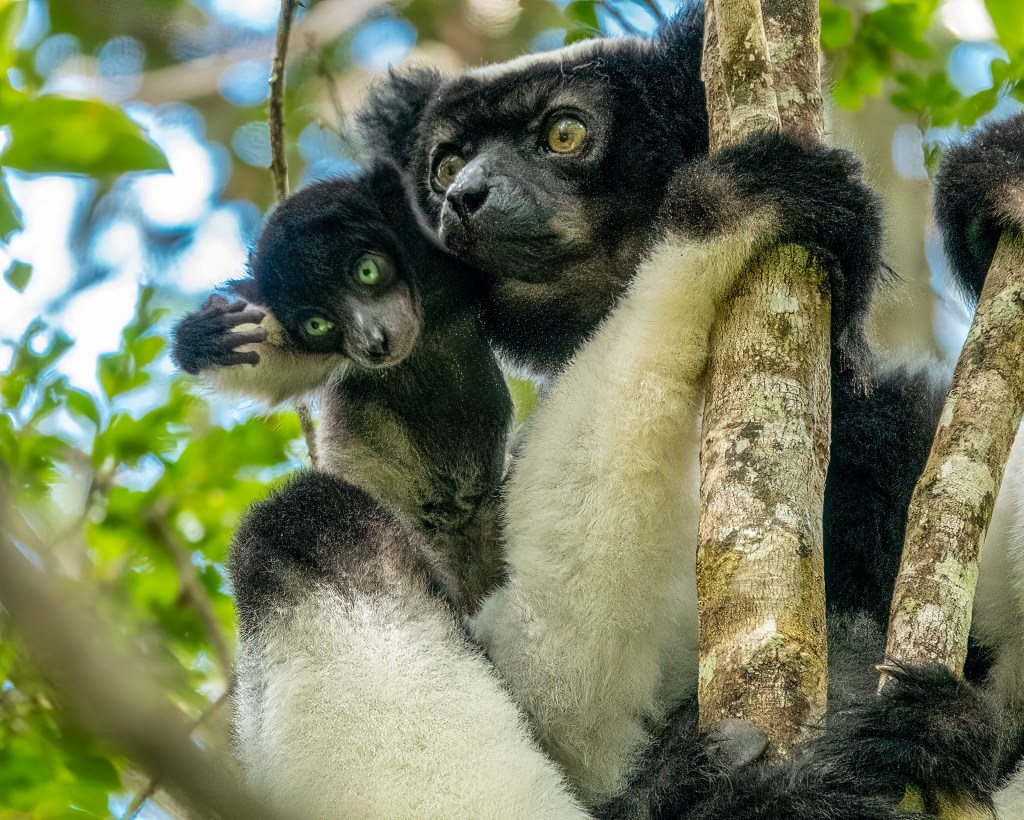
The adorable Lemurs are what old grand masters are to an art critic. They are from pre monkey primate times and their brains are capable of processing some complex information. They have a steroscopic vision and nimble grasp. Now, I simply have to mention their awful vocal cords!
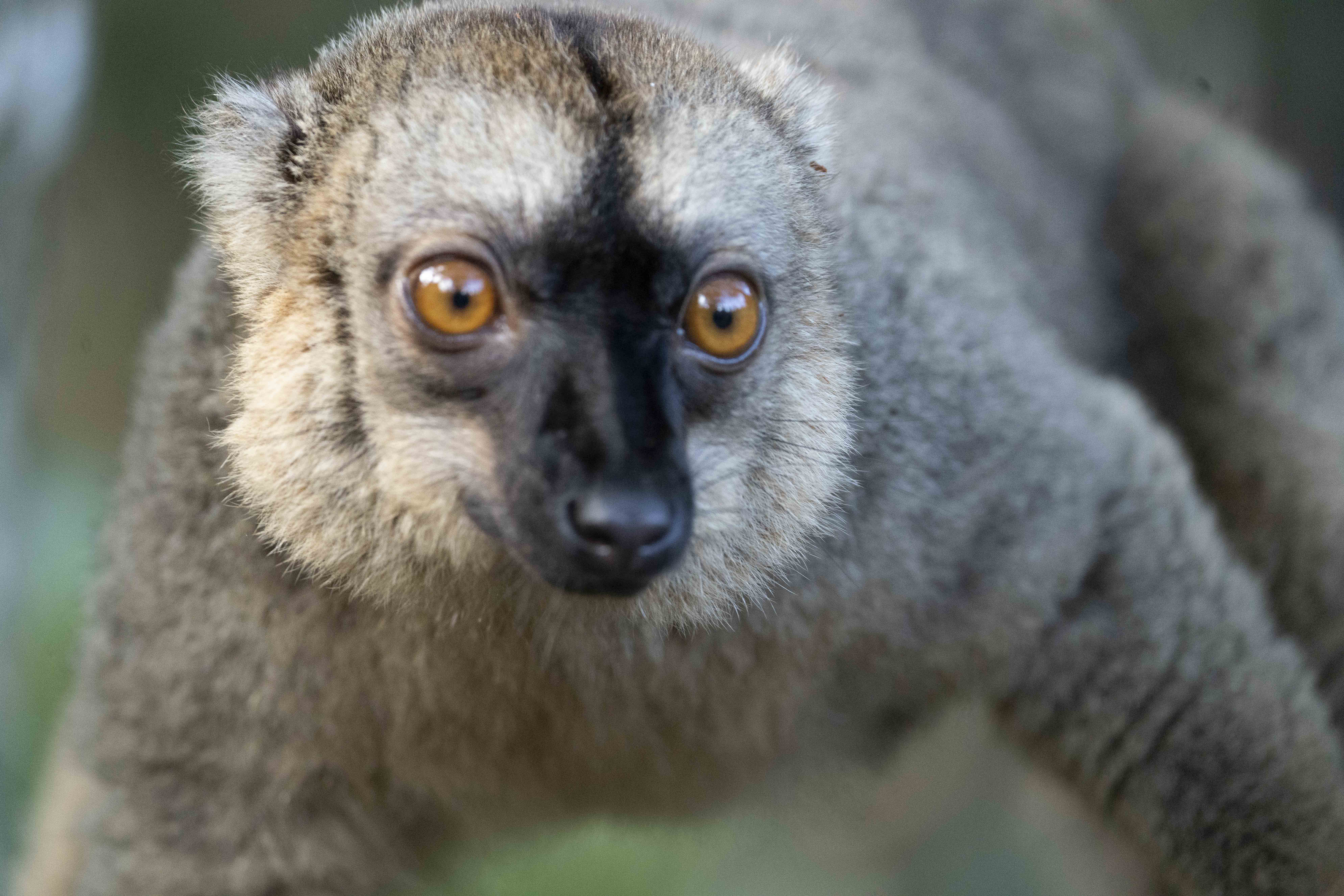
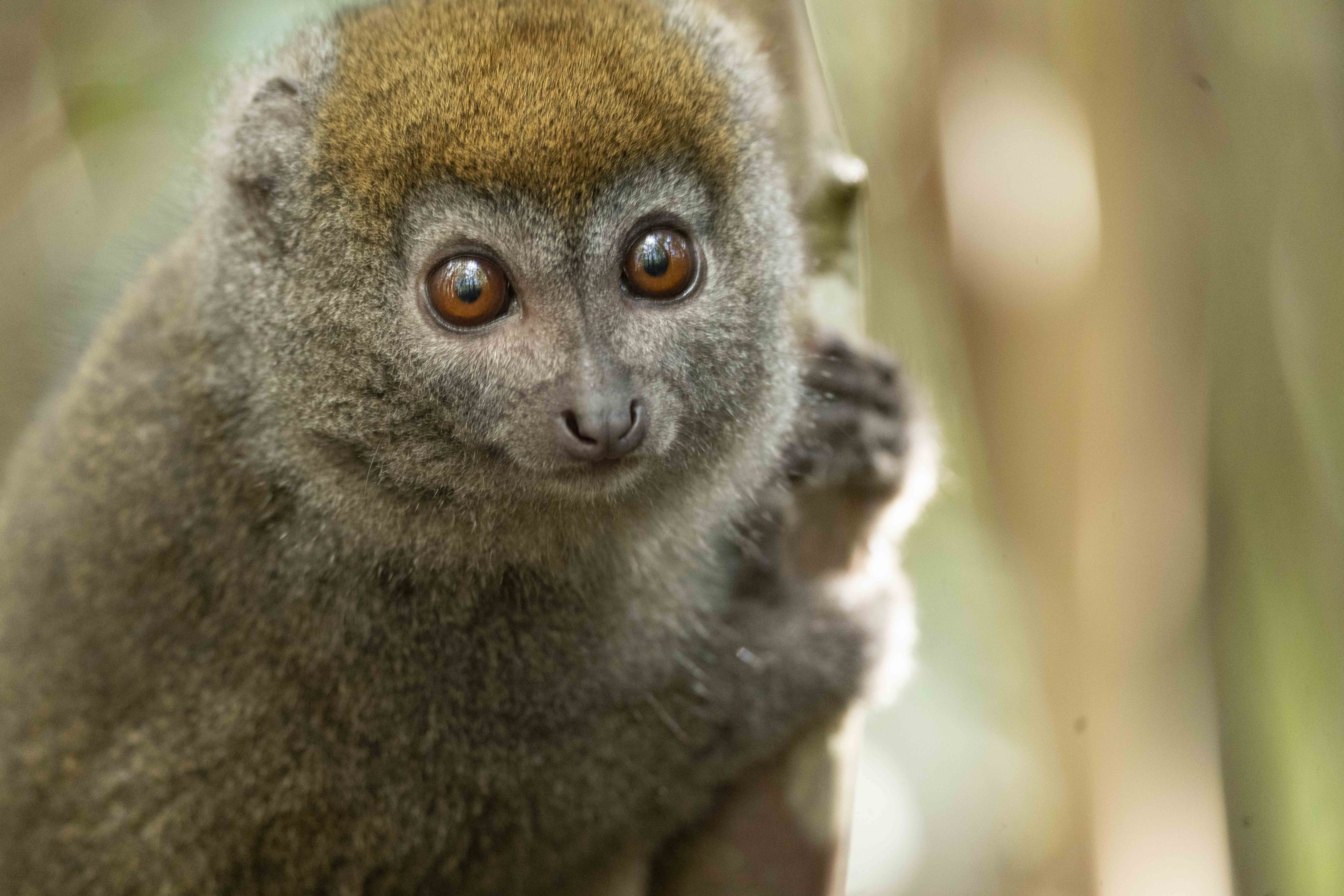
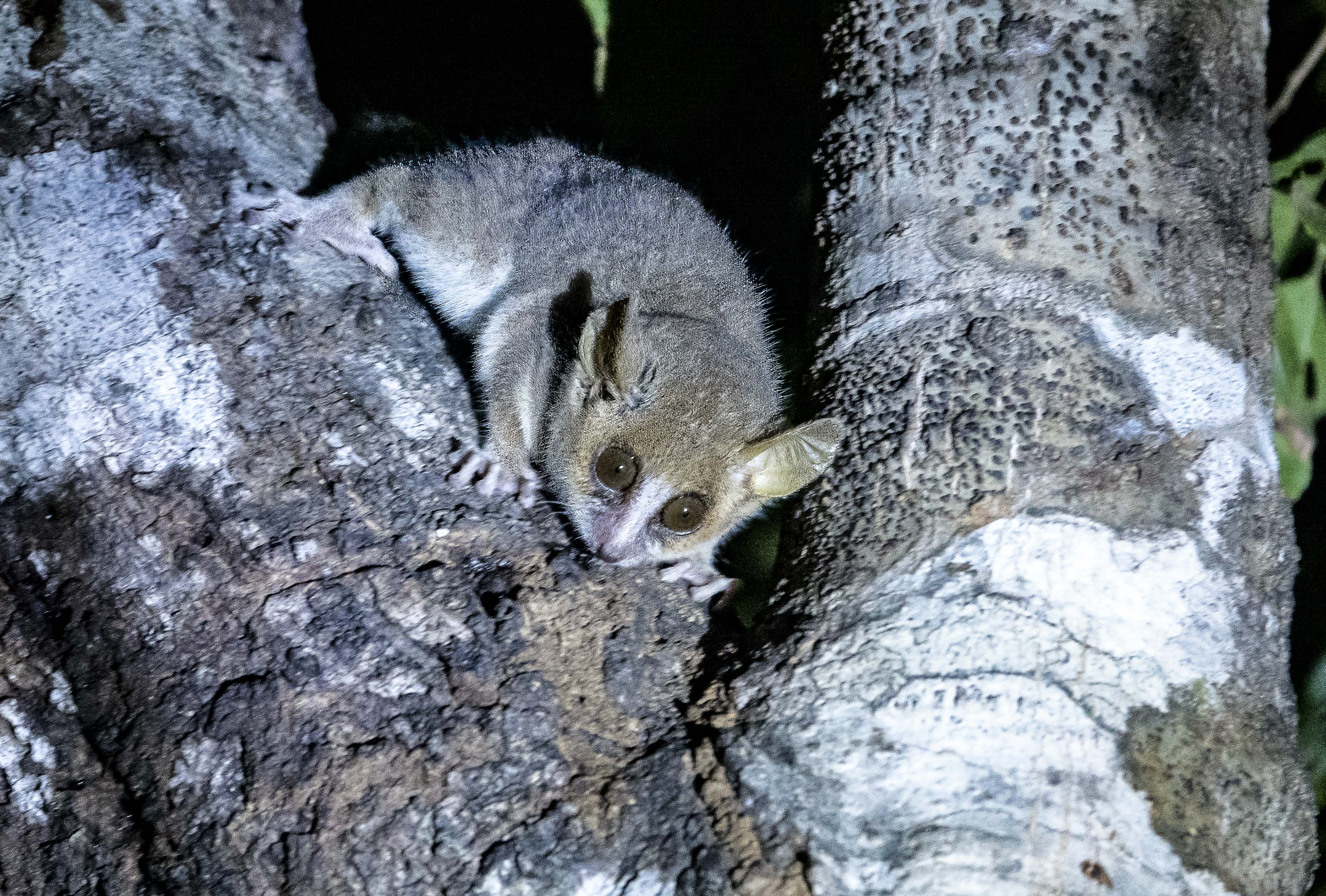

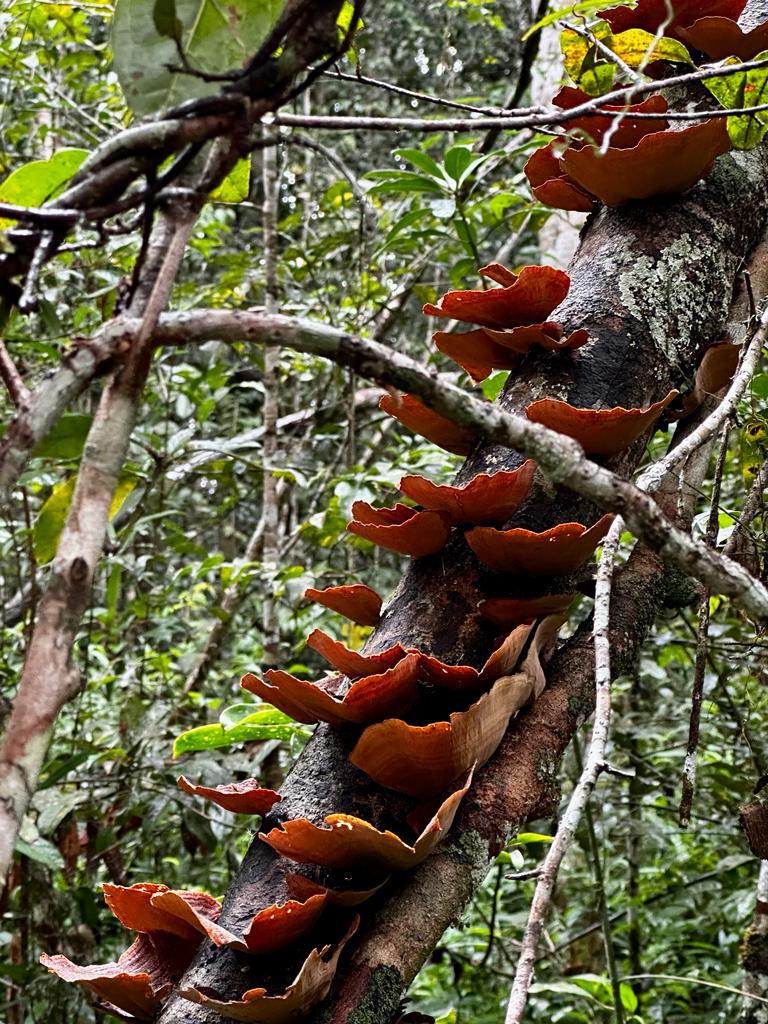
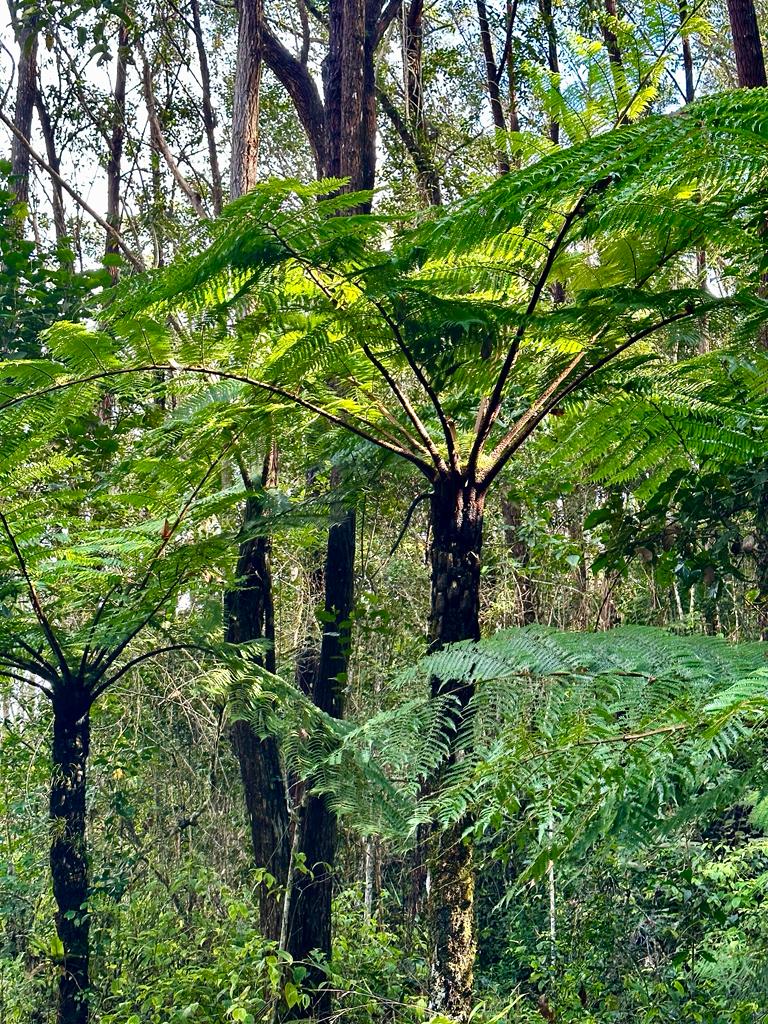
We walked the wet rainforest in Andisebe by day and night and the dry beige forests of Kirindy under the sun and moon too. The giant fronds of the ferns and cycas, the carnivorous plants, Madagascar jasmines and the large tree orchids grew wild and dense.


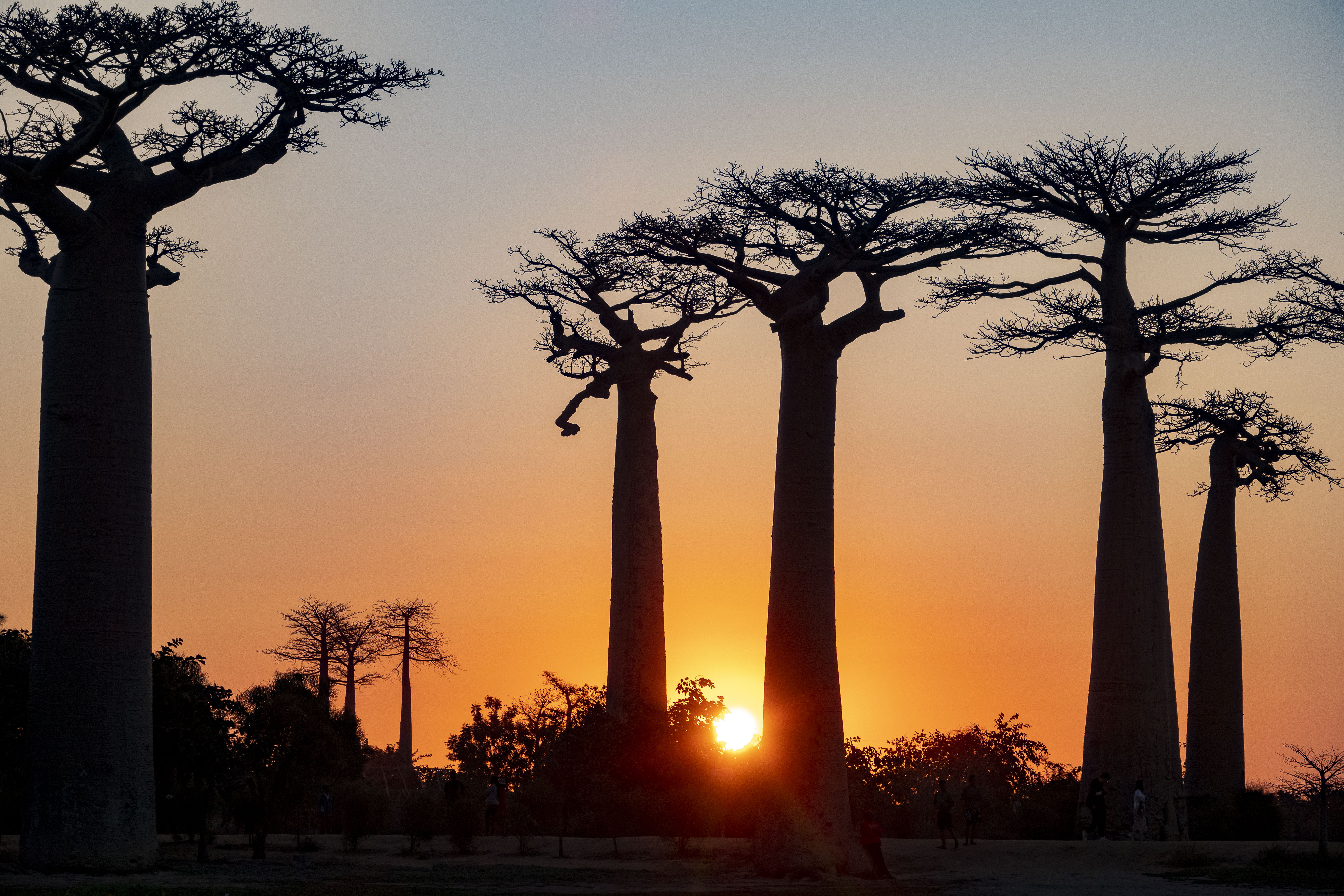
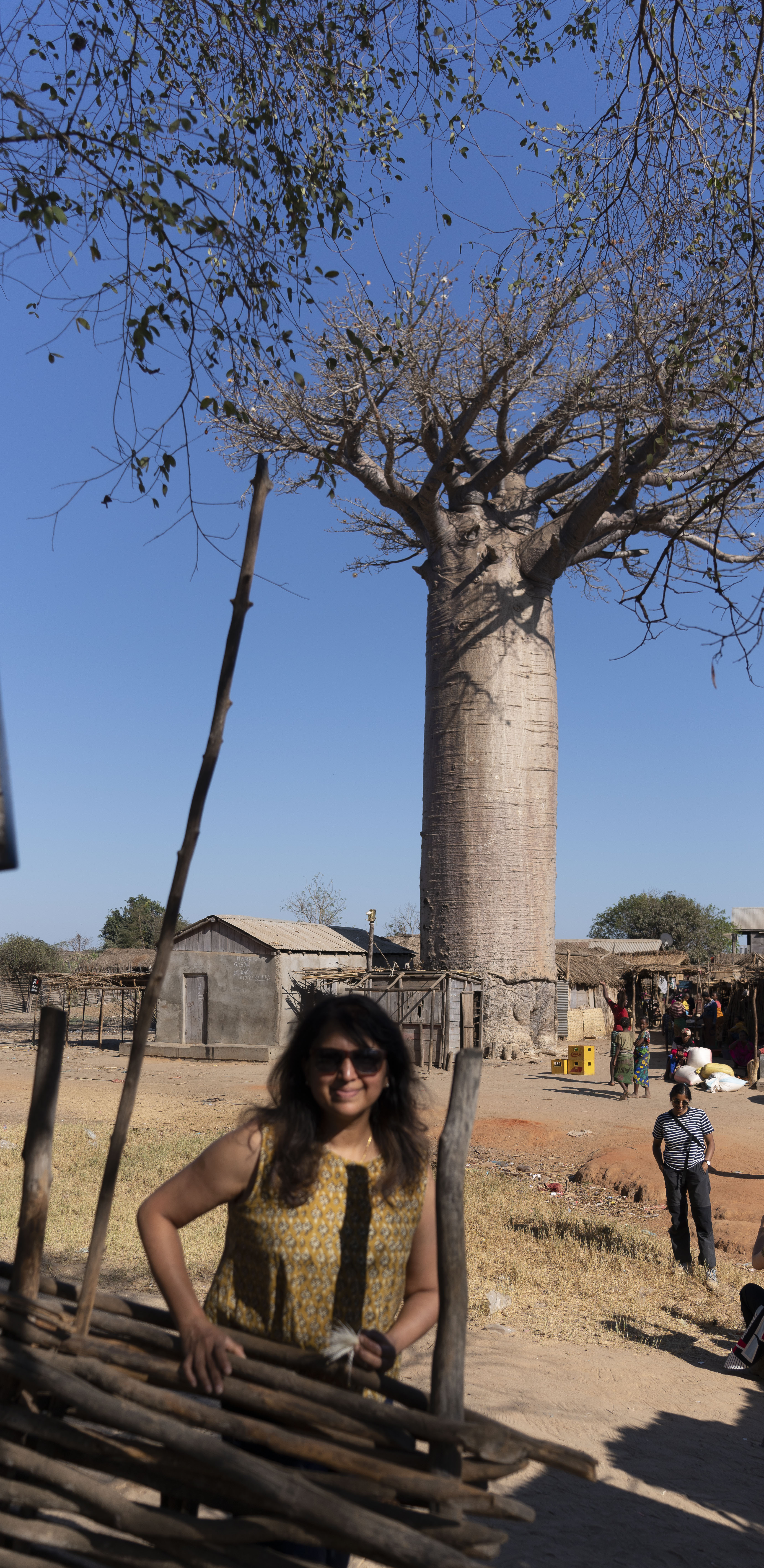
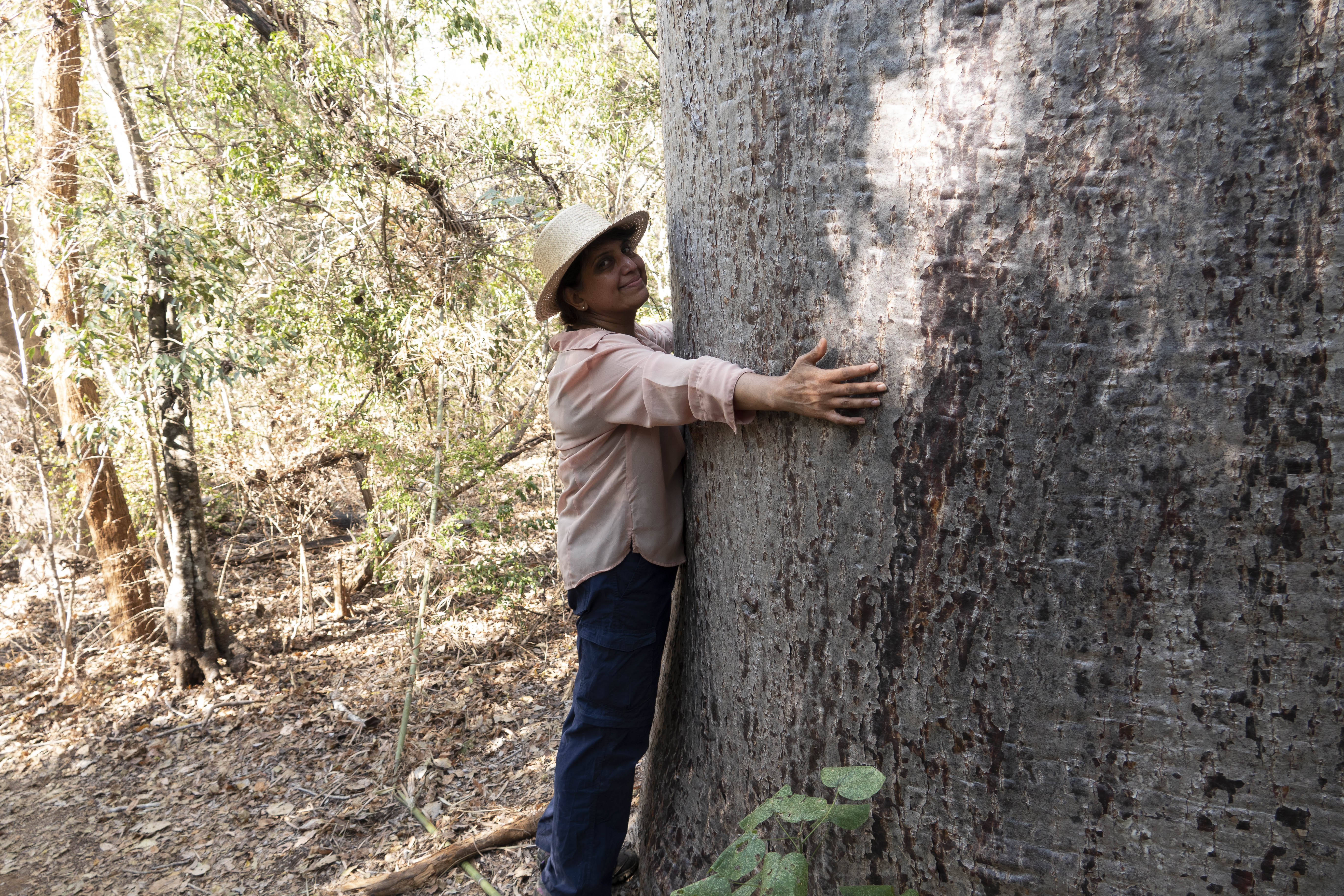
The amazing Baobab trees in Alley de Baobab was everything I had imagined and mega much more! In reality, it is actually totally gaunt and awkward unlike a stunning autumn acer. It is larger than life or a bit like what dinosaurs are to animal kingdom. In fact, it looks like the big tree was up rooted and placed upside down as the branches are leafless. The bark is harsh, spiky and this mega succulent cannot be easily destroyed even by a bull dozer. The Afrikan sun did total justice to the magnificence and our cameras just did not stop the clicking noises till the sun completely set. Capturing the magnum opus of this larger than evolution tree at night with the milky way was a different challenge!
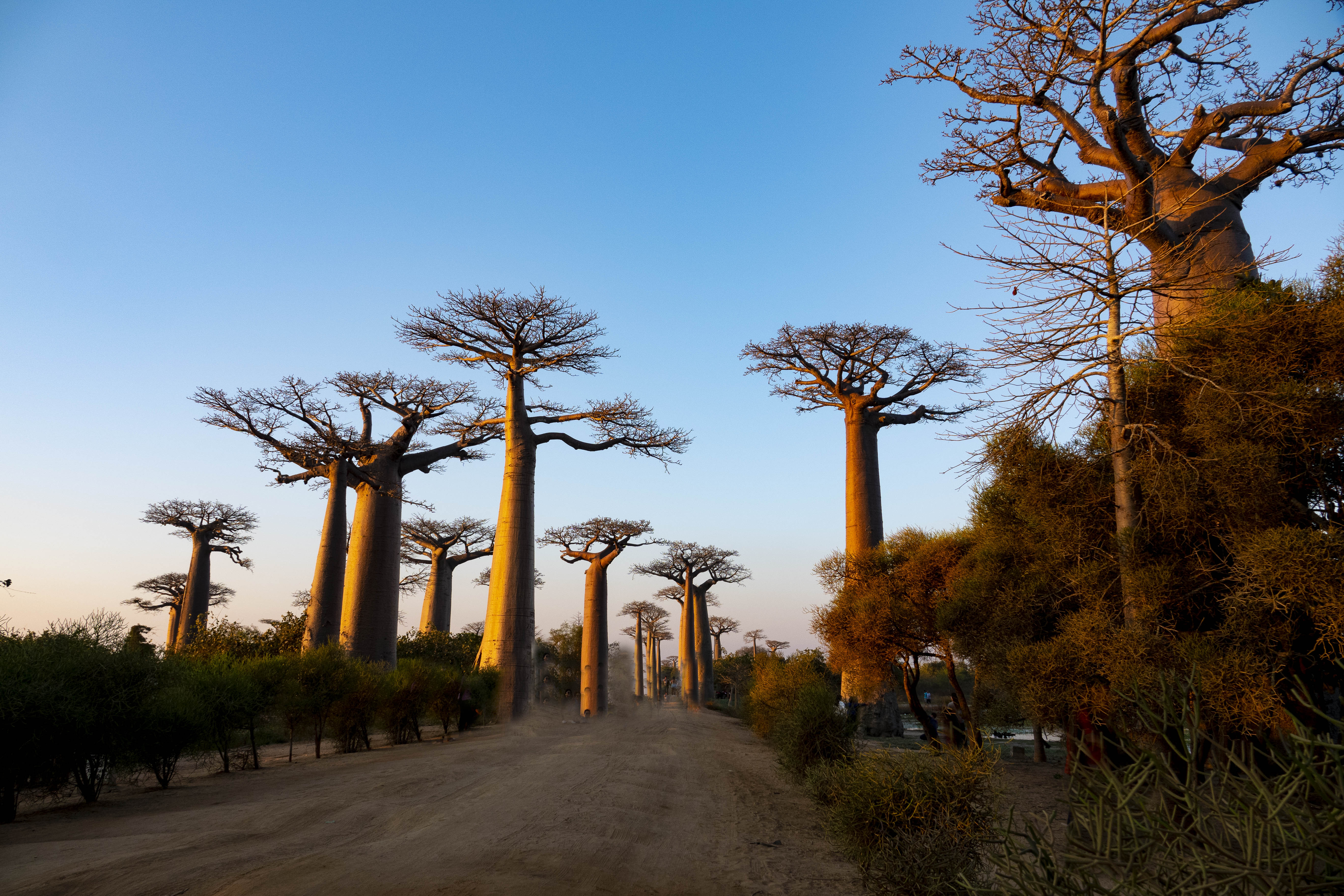
The photographs of the this world apart clearly demonstrates that Madagascar has more than a Michelin personality . In fact, they have custom made their evolution path. It is like Noah’s Ark tipped a few odd looking fusion creatures in the fossil era into this island called ‘Mad’agascar into the Indian Ocean. This land is truly Michelin! Just do not expect Michelin restruants, particularly if you are vegetarian!!!!
Malagasy people
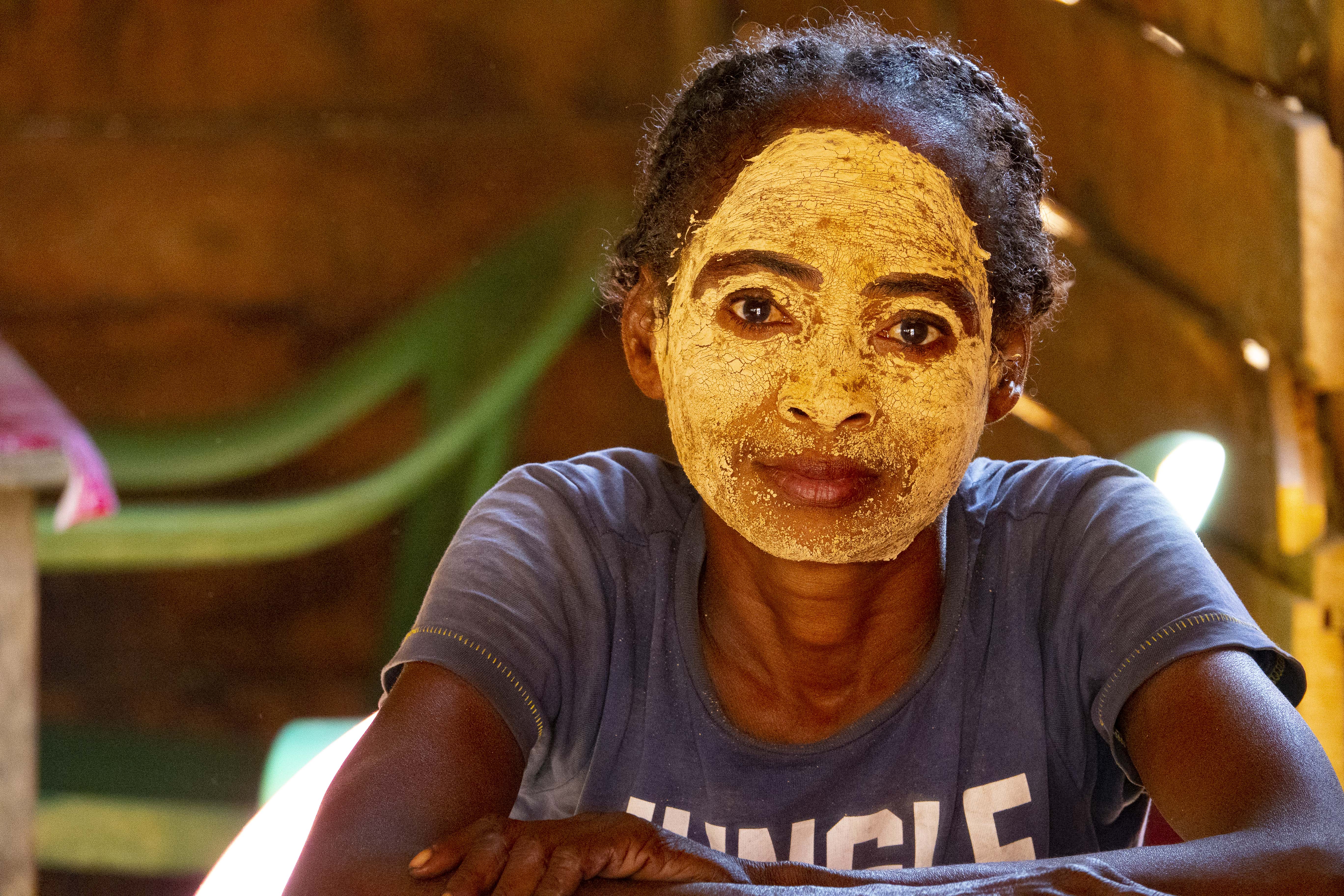
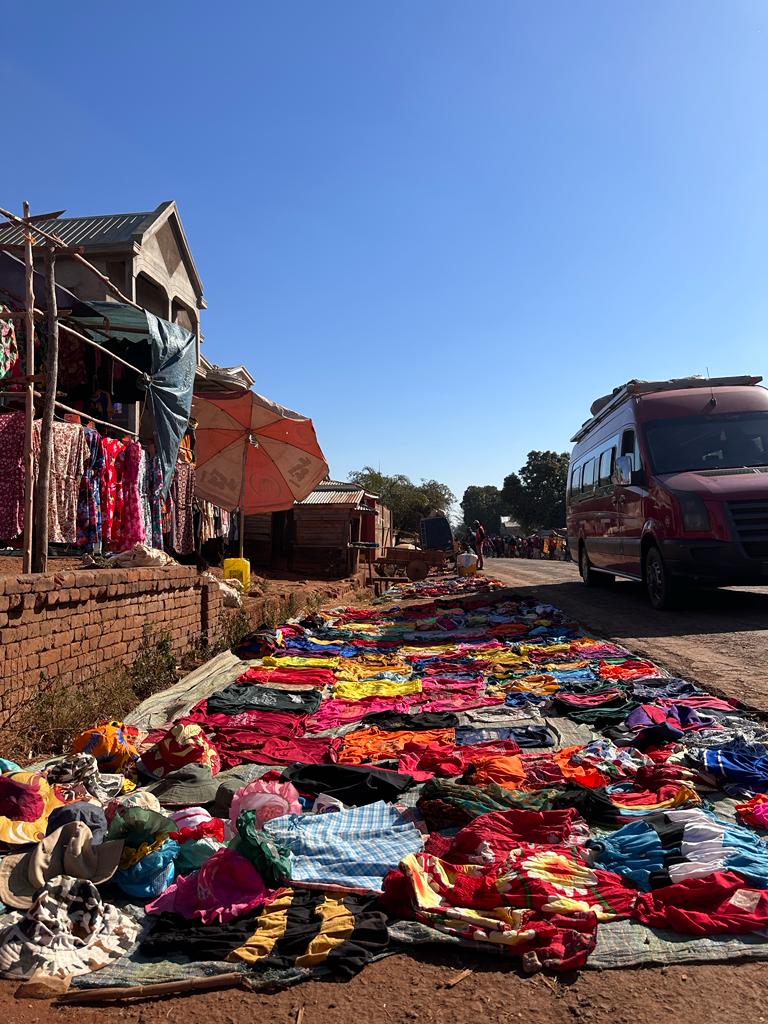
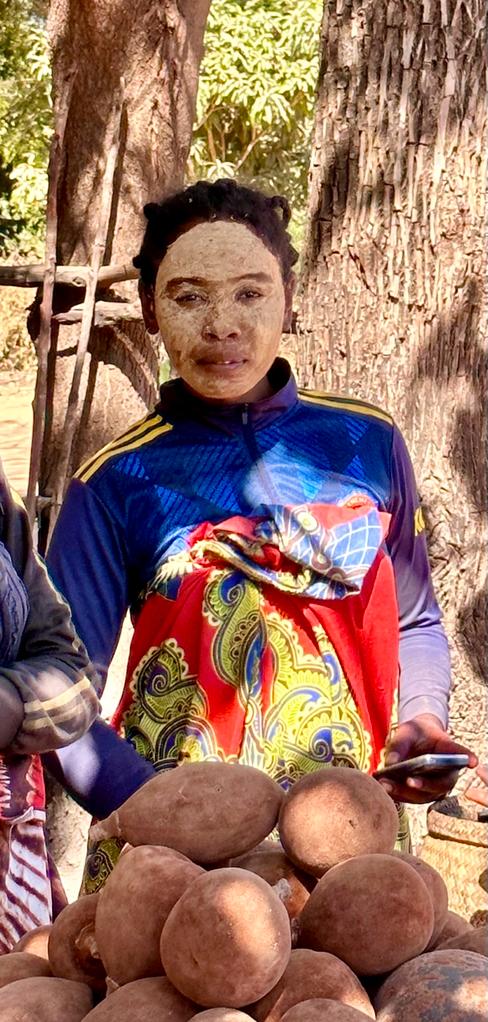
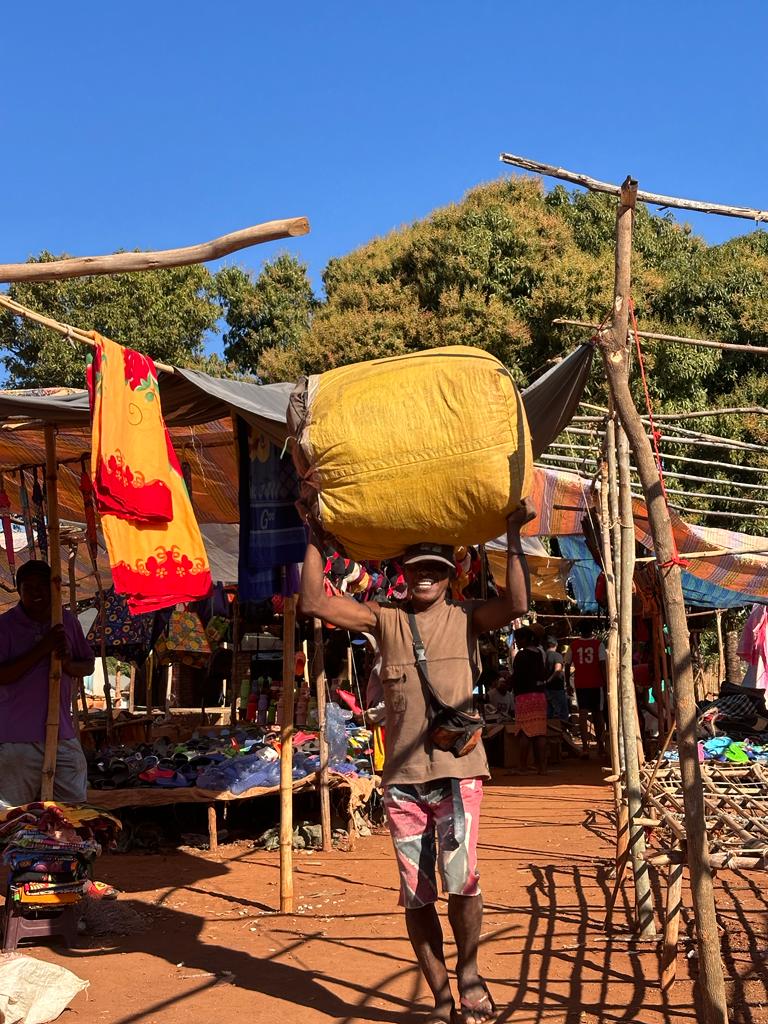
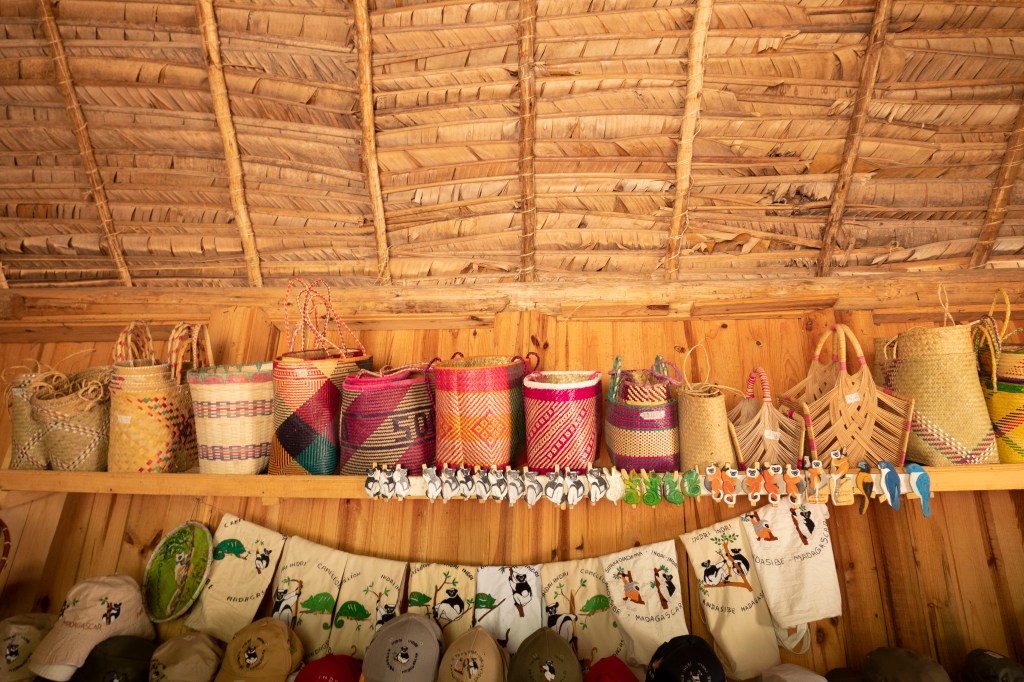
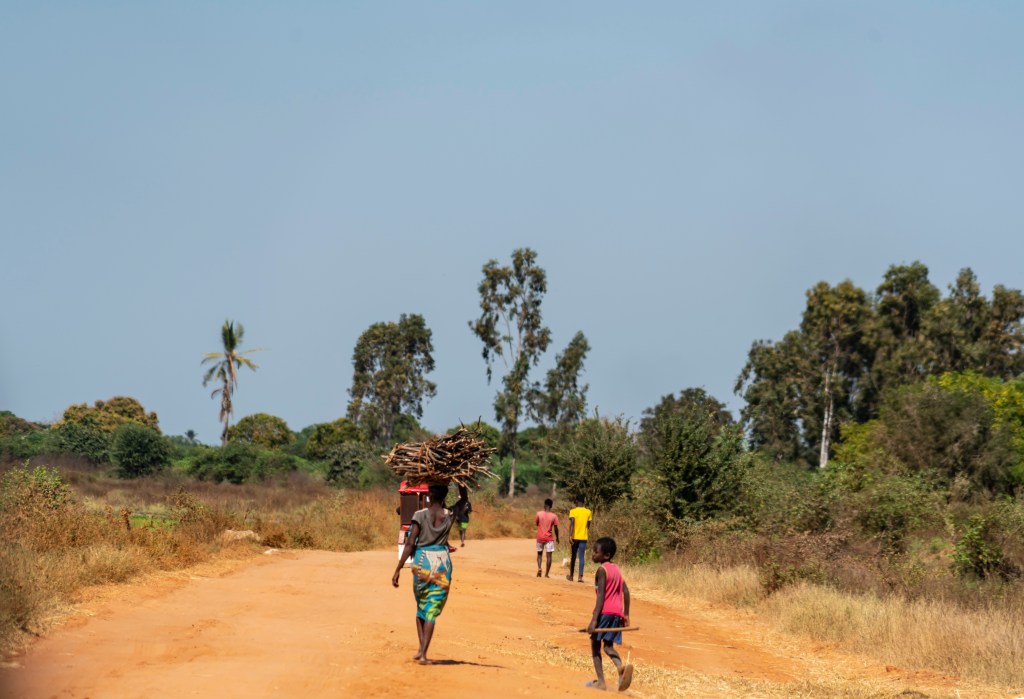
And so, we arrived in the capital Antanarivo (Tana to the locals). If I dropped a pin for location, it would be 300miles to the Tropic of Capricon, 1000km to the nearest Mac Donalds (in Reunion), and 2000km to the closest Starbucks in Joburg. I watched a local Malagasy lad balance a mobile phone on his rusted bicycle. “It is a fake Chinese phone” said Tujo our driver. The Malagassy Lamba was a rectangular cloth that both men and women wore wrapped around. Some had bright Baobab prints, some a sunset. A Malagassy hat and a yellow face pack on the faces of the ladies completed the look. The market places were full of chaos, colour and clutter. A mix of hand made baskets and second hand mobile phone. People seemed happy and comfortable in the dust.
The country has over 18 well known tribes and in Antirabe town, a pillar was created with all their names. Merino (those who come back home), Sakalava (those in the gorge)were the only two I could remember. We crossed back west to east from Morondovo to Tana which spanned more than 600km on muddy pothole carved roads and saw several villages and tribes enroute. The small towns enroute were often fithy, unlit in the night and has small “hotely” which sold rice and cebu. Toju paused in one hotely for his rice meal and it was here a middle aged woman smiled and looked with interest as Ram sprinkled salt and chilli on a freshly cut pineapple which we had for lunch.
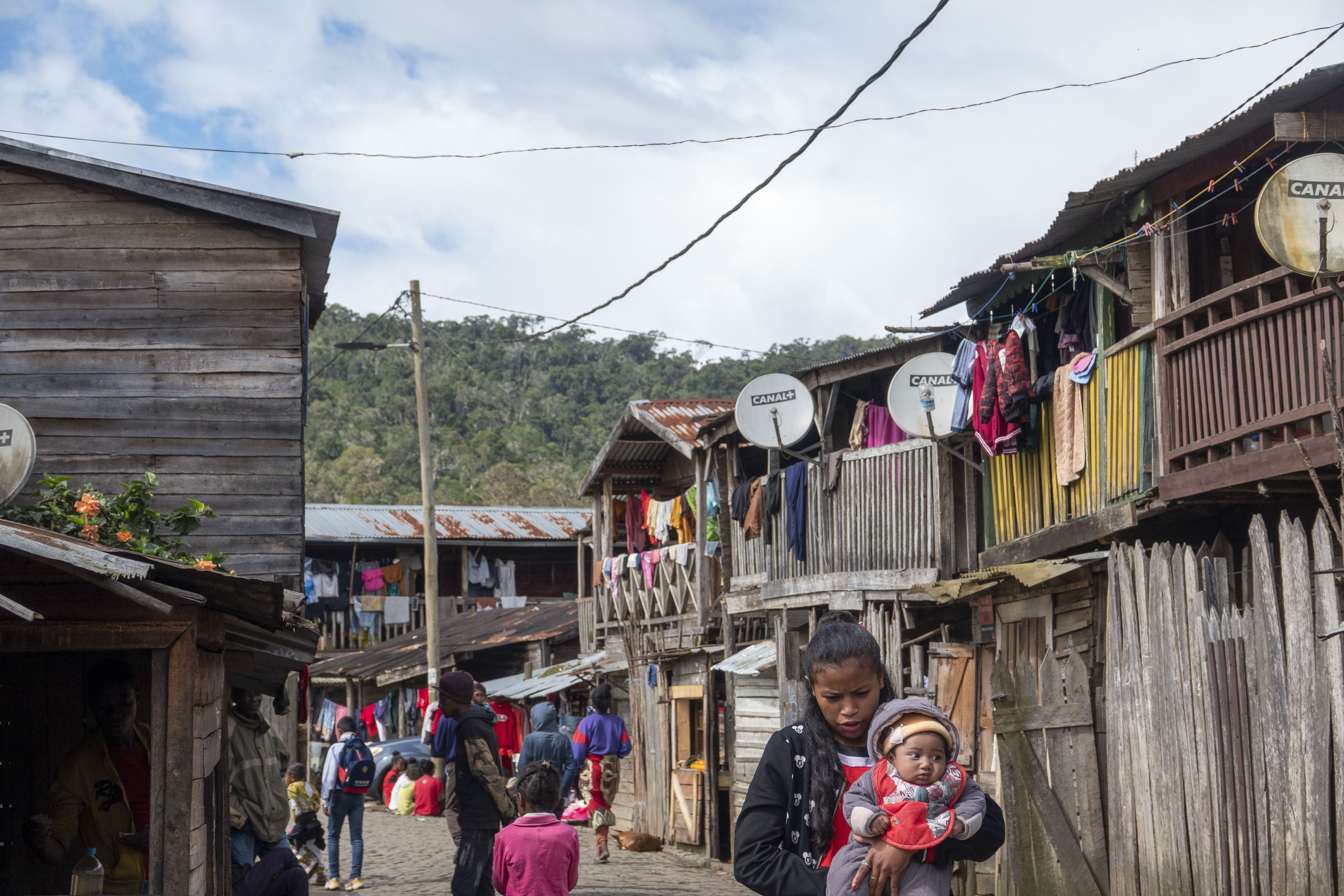
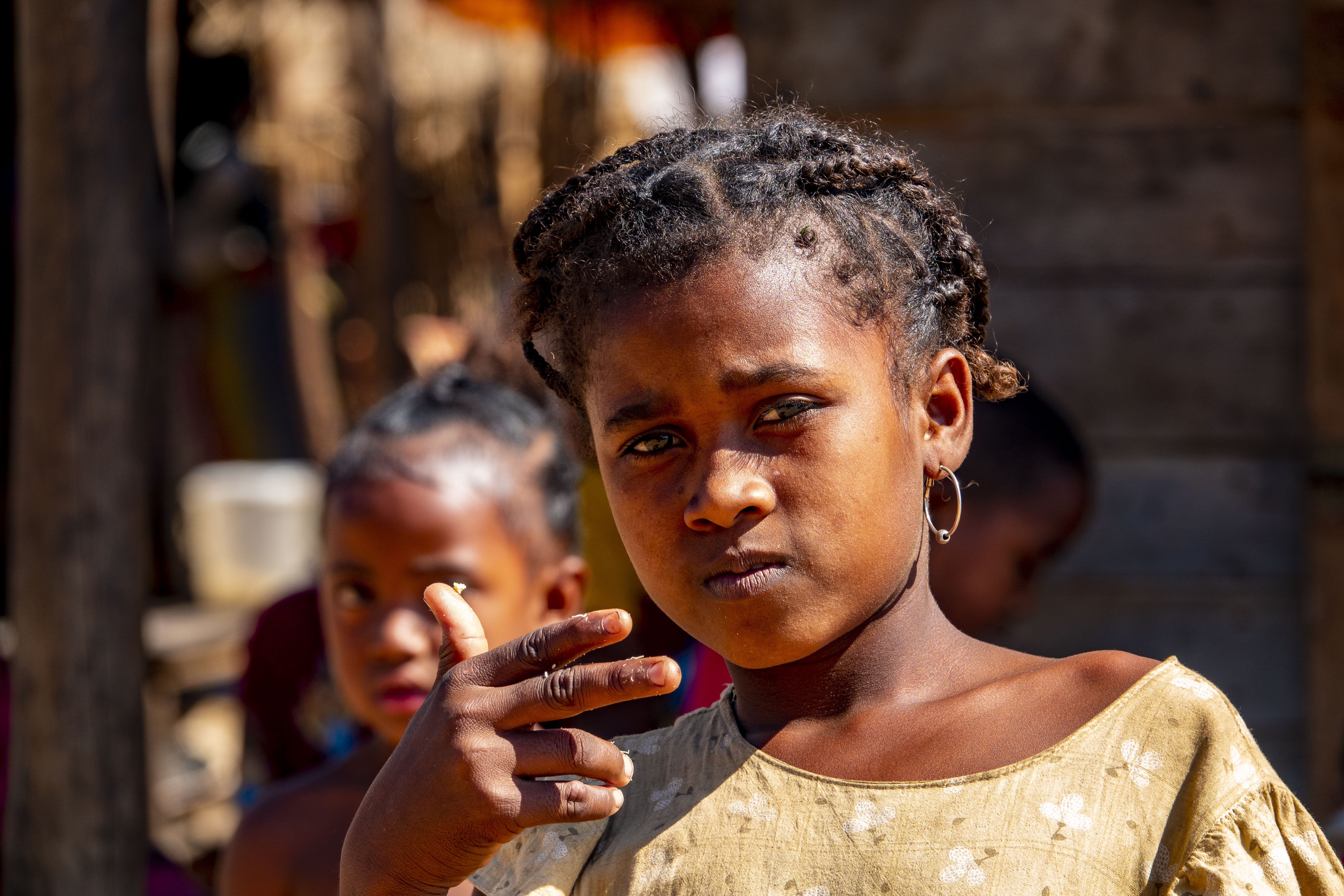
I walked with Nester, our rain forest guide to see his home in his village crossing a railway line and a small rice field. Time had stopped in the early 70s of rural India. The small wooden shelves in the shops had basics.
Mora mora which means Slowly slowly is THE Malagasy mantra. Everything takes time here. Patience and forbearance are therefore good companions in Madagascar.
So if you are a punctuality fanatic and mutate into a choleric if something goes wrong as planned, Madagascar is the wrong destination for you.
Faddy (FAH-Dee’)
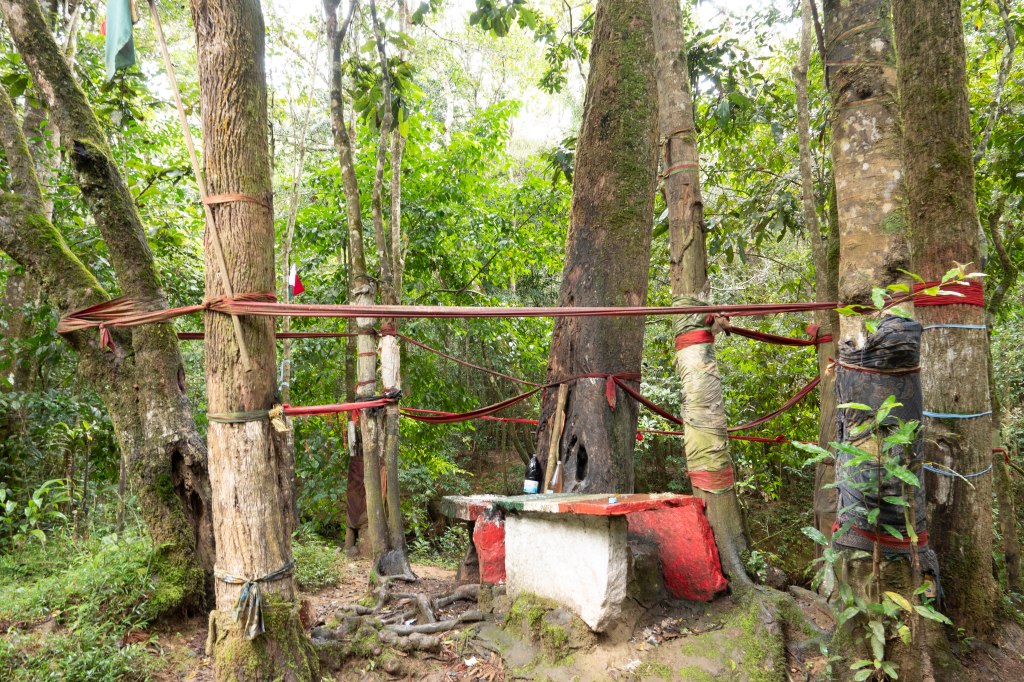
In this bizzare island, a lack of faddy or social taboos would have almost been disappointing! Fadys rule the Malagasy community. Wearing red to a funeral is faddy but you wear red to meet your elders and ancestors. Nester, our Malagasy guide showed me a Faddy in the dry forest of Kirindy- a red cloth tied around a few trees – “the bleeding tree” he whispered “dont touch it but make a wish” he said. Similarly, the Merino tribe feel seeing an Aye-aye is faddy, as it represents evil and so they were often killed on sight.on the other hand, killing Indri indri is again faddy as it reperesents the ancestor spirits.
Tujo, our well travelled Merino tribe guide told me never to point a finger at a tomb or passing graveyard. Tsy ny tany no fady fa ny vavan’ny olona, He quoted a Malagasy proverb: “It is not the land that is taboo but the opinion of the community.” Faddy was a link between the sacred and the current.
After a taste to Vaasthu, fengshui, a touch of quirky faddy is totally understandable.
PS-Do not pack a red swim suit! It is faddy!!!
Dire Straits-Poverty and corruption
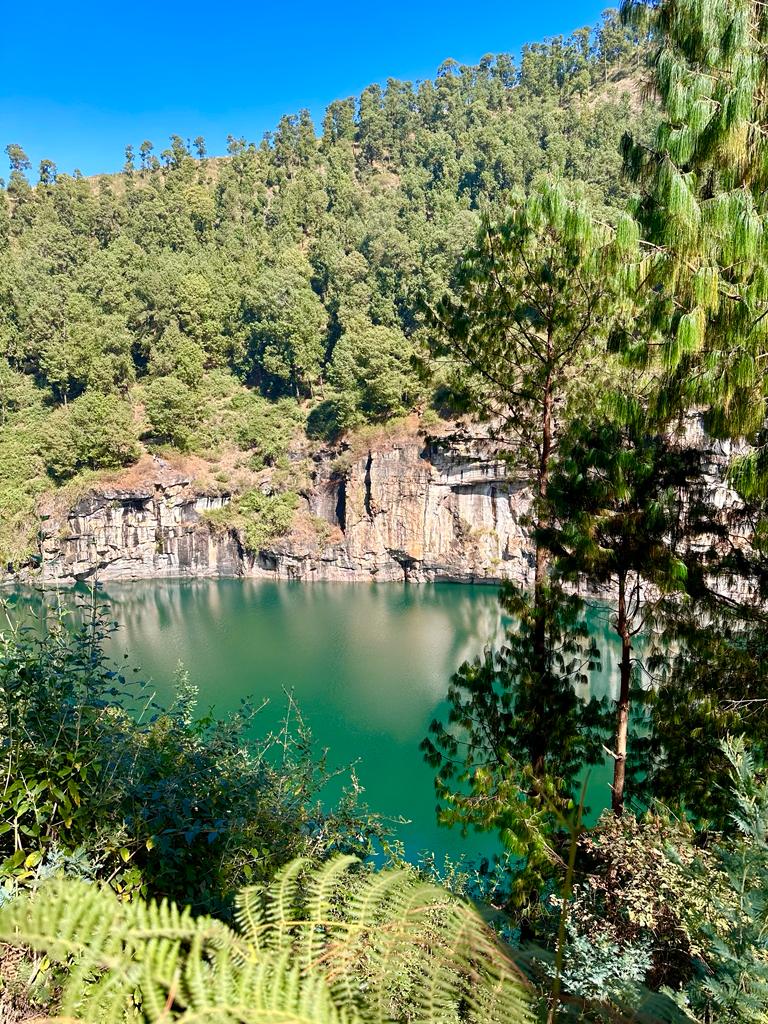
Tujo said something to me when I got chatting with him about his life and his children’s future-“Alep maty rahamtiso Toyizay maty androamy”. “It is better to die tomorrow than today“. It sounded fatalstic to me. To put it in perspective, an average Malagasy daily wage is $2 a day. There is a thread of desparation amongst the locals woven into the fabric of their lives which is around the political apathy. The Malagasy practice of slash and burn where a portion of the forest is torched down by the people to cultivate rice in the land is a prime example of “good for economy but sad for ecology“. Like wise there is a frail balance between the fading lemurs species and human needs. The coverage of illegal trading of rosewood form Madagscar in the Gaurdian recently demonstrated even intervention of the IMF has done little to stop this. Trafficking routes for wildlife, ebony and precious stones or cannabis seems to be same and the porous laws are not strong enough to reduce the depeletion this unique biodiversity. Tujo says, “A big mafia is behind this and they’re close to our government.” Empty political promises are reflected in the eyes of the locals, guides. It made me pause and reflect upon life. Mind the big gap!
Madagascar vanilla
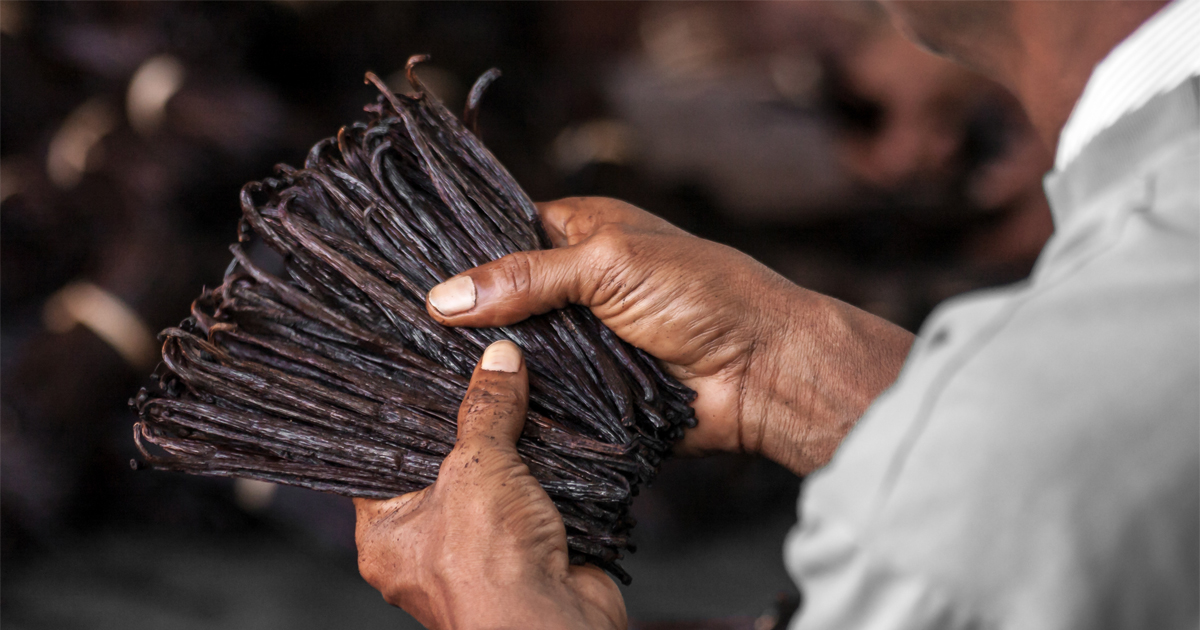
Did you know, vanilla is an orchid! It is a liana that leans on a tree trunk, usually a mango tree or an avocado. It blooms 3 years after planting and it is necessary to wait further 8 months for the pod to ripen. Its preparation is very tedious because it is entirely manual and requires a lot of rigor, patience and love. The pods are first scalded, parboiled, sun dried for two weeks, flattened by hand, then dried in the shade for 8 months in trunks and finally calibrated. There has been a ten fold surge in the value of the Madagascar vanilla. Voatsiperifery is a very rare wild pepper found only in Madagascar. feeling pleased with my small packet of exotic gifting, I decided to get a bold wooden abstract for my travel wall. Zafimaniry are an ethnic group in southeastern Madagascar, and are known for being skilled wood craftsmen. Typical Madagascar now on my study wall. Madagascar’s famous Antemoro paper has a grainy appearance, is an off-white and often dried flowers are embedded in its finish. The long road trip back to Tana provided a great opportunity for more hand made artisan products.
As I watch the grey blue sky at home, I imagined leaning my cycle on a magnificent Boabab tree in my front garden and smile wistfully to myself. Wonder where the next journey is to! I realised, like the chameleon of Madagascar, one eye is in the past travels and one eye looks to the future! For now, a fistful of burnt orange soil has made the difference!

Mora mora, bye for now.
Discover more from kalpa'sblog
Subscribe to get the latest posts sent to your email.

Thanks for taking us through Madagascar.
The stunning photos and vibrant colours are ever so inviting.
The animals look cute 🥰
LikeLike
Thank you. The flora and fauna is like in no other parts of the world! Amazing Aye aye, fossa, indri indri (completely new introductions!)
LikeLike
Thank you and sincere apologies for late reply
LikeLike
Beautiful pictures & a mesmerising journey. I love reading your Blogs Kalpa. Thanks for taking through this beautiful island of Madagascar 🇲🇬
Mora Mora
LikeLike
Ruchira I was particularly encouraged when you mentionedre reading something that even I don’t do!! Thank you for the kind words
LikeLike
Absolutely stunning description of your trip and how you have shown us the place through your lenses .
Always look forward to reading it again and again. Loved the Faddy’s
How deeply struck we humans are in what we believe! Amazes me
LikeLike
Very interestingly written with lot of info – beautiful pics too – congratulations to you and Sundar too to embellish your writeup with apt photos
LikeLike
Kalpa, mesmerising, evocative, vivid account of a stunning place – which only you two with “Michelin” personalities could have created with magic of words and wizardry of camera. I thought baobab trees existed in my imagination and lemurs were instinct. Thank you for educating me. The faddies surprisingly are similar every where and reinforces oneness of human kind. They need me to go there preach “Alep maty rahamtiso Toyizay maty androamy” is not good for them and there future generations.
Loved reading every line, as always. Well done and thanks for sharing.
LikeLike