Easter 2025.
The now-solid habit of travel took us to the South American giant — Brazil. Two weeks. .
Bold amazons, Brazen Rio, beautiful beaches, bikinis, and butts, bohemian Bahia, boozy Brahma. That was signature Brazil at first glance, as we skimmed through itineraries. Dive a little deeper, breath taking best kept secrets of Brazil blows one away.
Some travels give you stories. Others give you sensations.
I’m back now. My memory cards are full.
My words are floundering. And here is why..
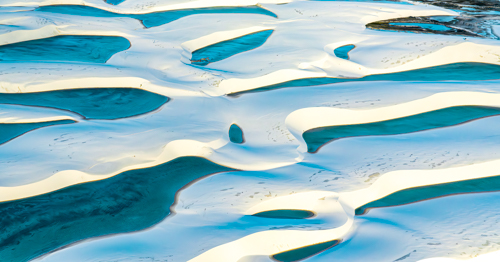
I’m blaming it all on Brazil. Let me try to ignite a sensory spark — of the Real, the Unreal, the Surreal, and maybe even the Ethereal — with my blog Brazil.
SURREAL
What Deadvlei in the Namibian desert did to me a decade ago, Lençóis Maranhenses has now utterly surpassed.
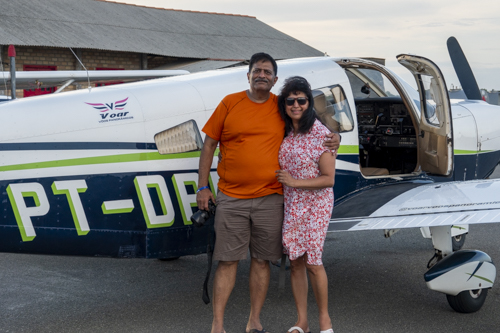
This place — a national park — left me with a new, incurable diagnosis: PTLD — Post-Trip Longing Disorder.
After nearly 24 hours of long-haul flights and barely a couple hrs in Rio airport, we landed in São Luís — the official gateway to Lençóis Maranhenses, and by then, unofficially, to my jaded mood.
The historic town centre was deserted. Like it had quietly decided to sit this century out. Collonial houses with shuttered windows. Peeling but appealing tiles. A few reggae bars playing to empty chairs. It felt like a film set that had wrapped too early — beautiful, but strangely still.
Maybe it was the jet lag. And the hunger. I was sure that the only grumpy vegetarian in this corner of Brazil was me. I dropped into the creaky four-poster bed in pousada Portas de Amazonia and any rustic charm escaped me on the first night.
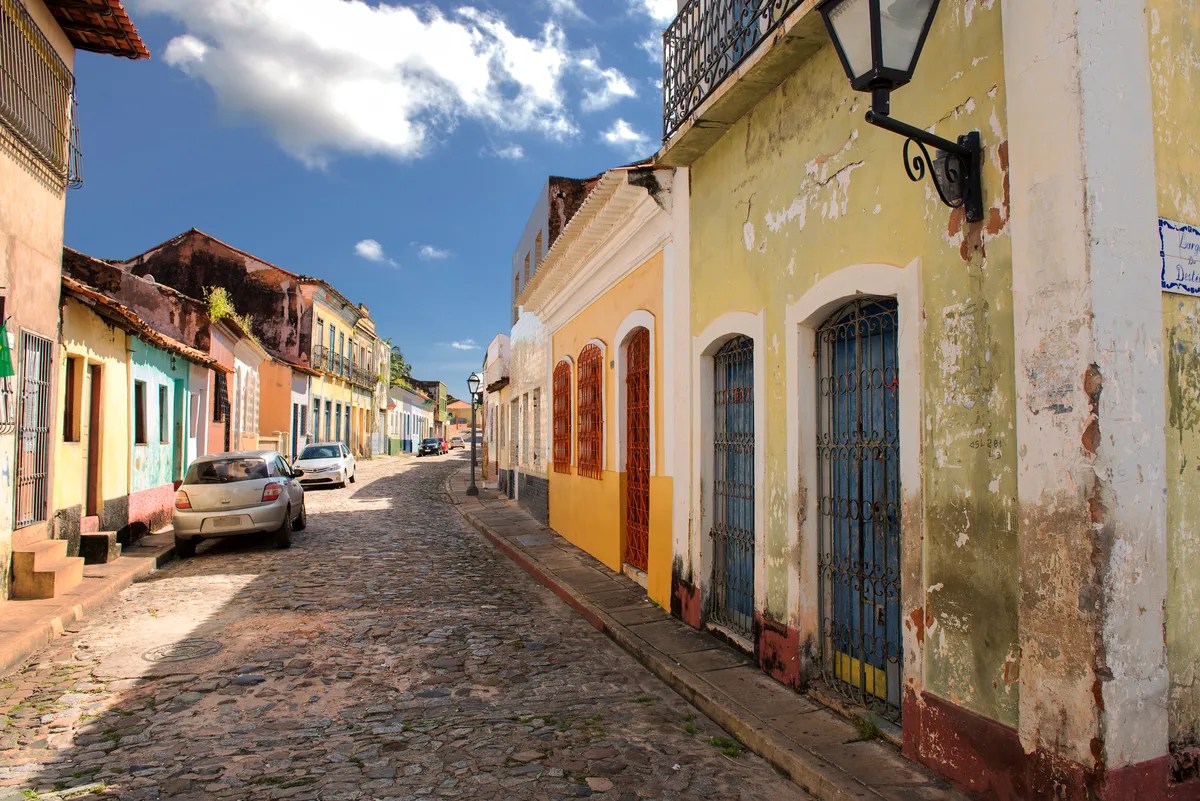
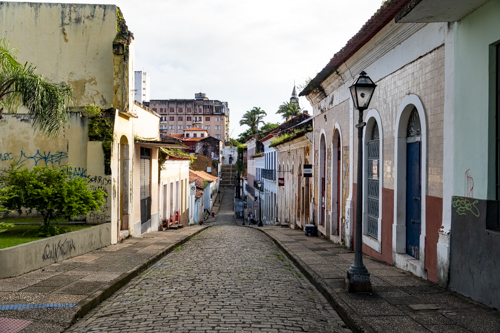
But, those worn azulejo tiles — the old colonial bones of Portugal with antique street lamps — they had a way of catching the eye. Even through my irritation.And the Brazilian Reggae reminds one of the African slave port it once was.
By morning, the mood had shifted. The next journey on land began. The town faded behind us. And just like that, we rolled into a landscape that belonged to no instagram images I’d ever seen. The first proper road between São Luís and Barreirinhas — once a sleepy fishing town, now reinventing itself as the launchpad to the Lençóis — opened just two years ago. Even today, the drive takes four hours. But there are signs of change were everywhere. Dirt roads being paved. New guesthouses sprouting. Our driver grinned and announced, almost ceremonially: “We have a pizzeria here now”, as we paused in a wayside stop.
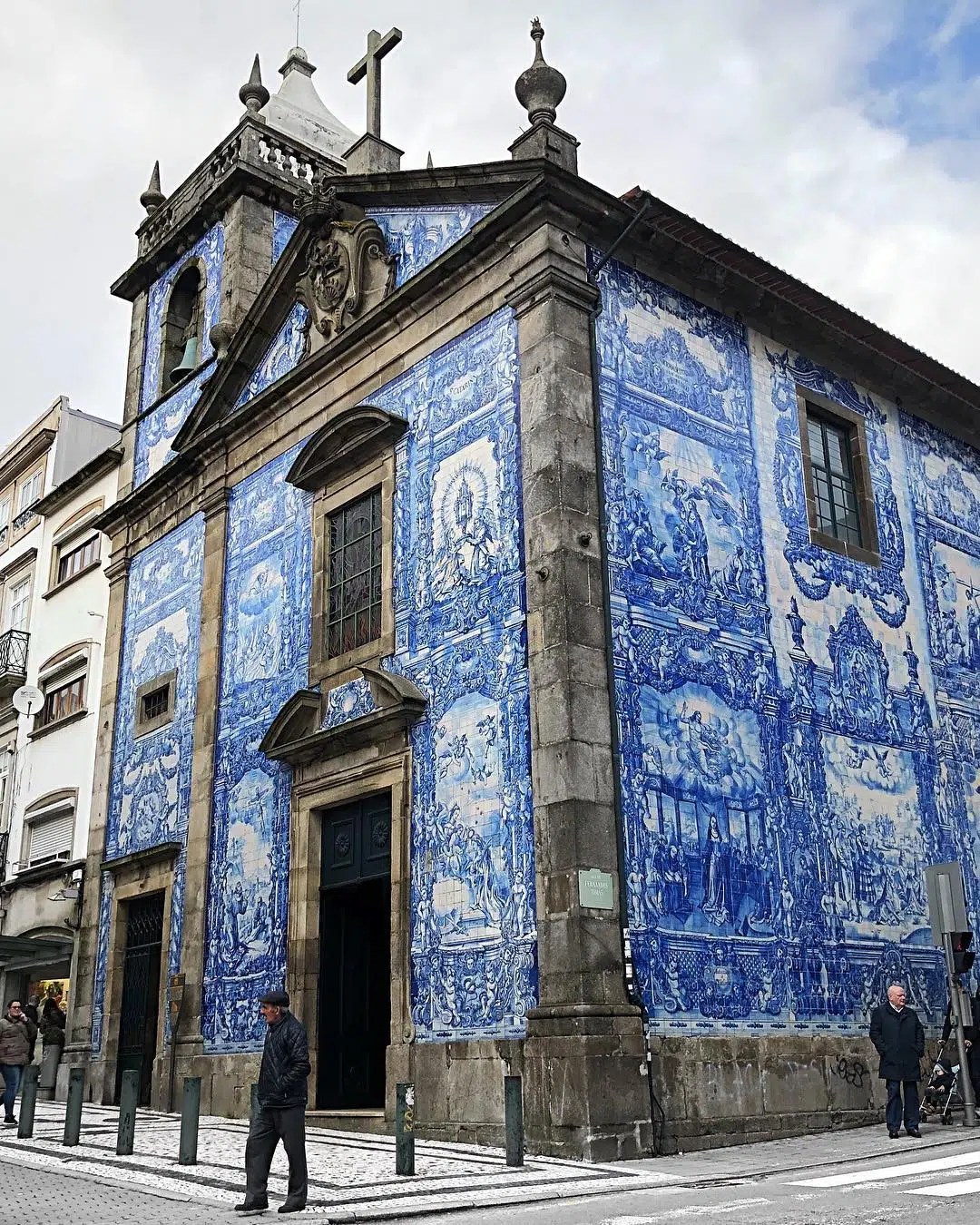
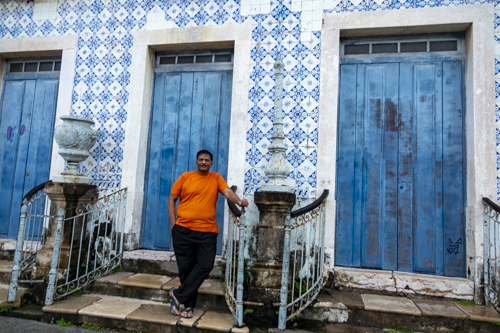
Barreirinhas has still has that on-the-cusp feeling: part remote village, part eager gateway..
Then came the final stretch — a four-wheel-drive plunge into the wild. No roads, just tracks of fine sand, swampy streams, and the occasional splash-through puddle that felt deeper than expected. We bounced and snaked through groves of cashew trees, our Land Rover rattling like a coin in a tin.
At last, we reached the base of a dune — 30 metres high and rising like a soft mountain above the green canopy. Just a rope dangling from the top like a challenge.
We climbed, hands gripping, feet sinking, the sun blazing from a sky with not a single cloud to soften it.
And then — one final step over the ridge.
The first sight of the Lençóis.
Sprawling. Blinding. Beautiful beyond logic.
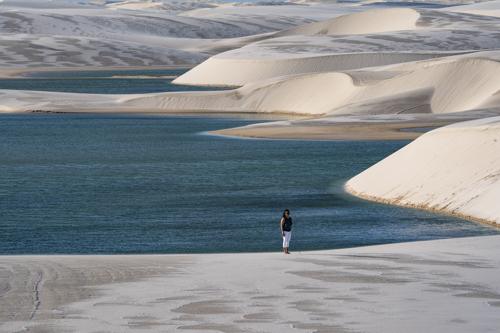
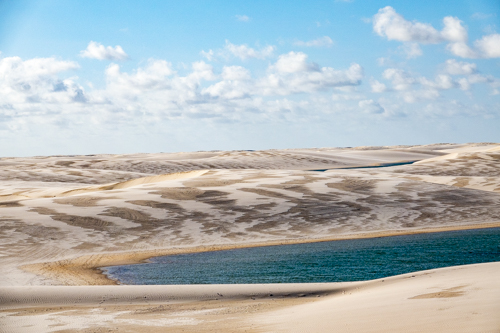
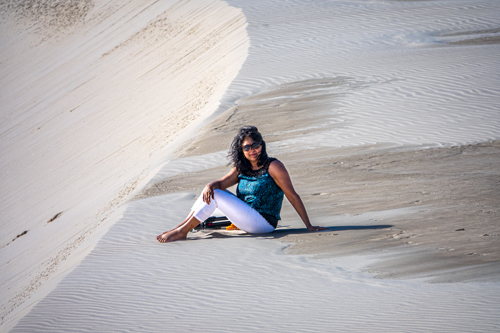
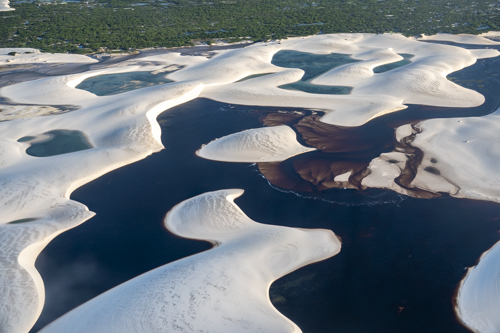
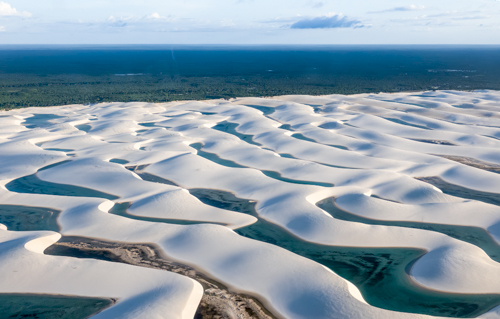
Lençóis Maranhenses is perhaps the purest form of nature. A national park spread over 1,500 square kilometers, bordered by the North Atlantic on one side, and lying about 1,662 miles north of Rio. It is, without a doubt, the most dramatic landscape I have ever seen. For the uninitiated like me, (I could barely say the town names), flying low over Lençóis Maranhenses in a tiny four-seater — all the way to the North Atlantic — felt like floating through a AI generated image dream.
The whites? Blinding.
The curves? Seductive.
The coloured pools? Straight out of a surrealist’s palette.
And no — I hadn’t touched caipirinha or cannabis.
White sand dunes, shaped like waves, collided with emerald and sapphire lagoons. The scale, the geometry, the impossibly perfect stacking ofcurves… they didn’t seem natural.
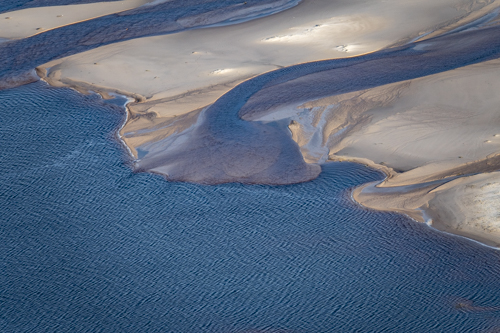
It all began millions of years ago, with the mighty Parnaíba and Preguiças rivers carrying sediment from deep inside the continent. Erosion. Wind. Time. All conspiring to sculpt colossal dunes — fluid and alive. Then came the rains, forming crystal-clear lagoons in the folds of the sand.
Every one of my footsteps on the pristine sand was instantly erased by the wind. No trails. No paths. Only shifting silence and hypnotic symmetry.
Lençóis literally translates to bedsheets. And that’s exactly what it looked like — perfectly folded, parcel-washed by the wind, stretching endlessly like the frilled hem of a flamenco dancer’s skirt. From our small flight over the dunes, I saw rhythm and grace frozen in time.
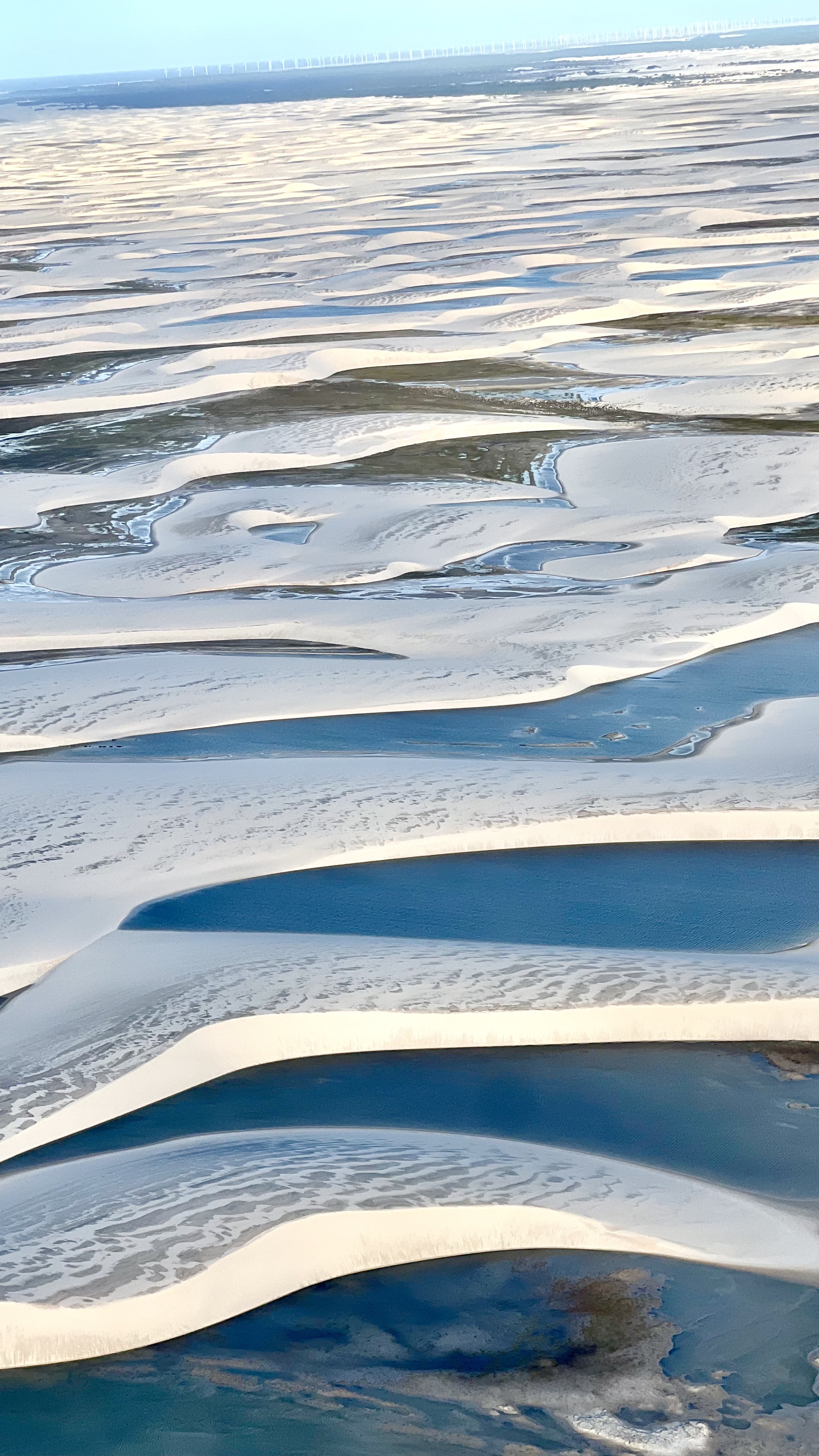
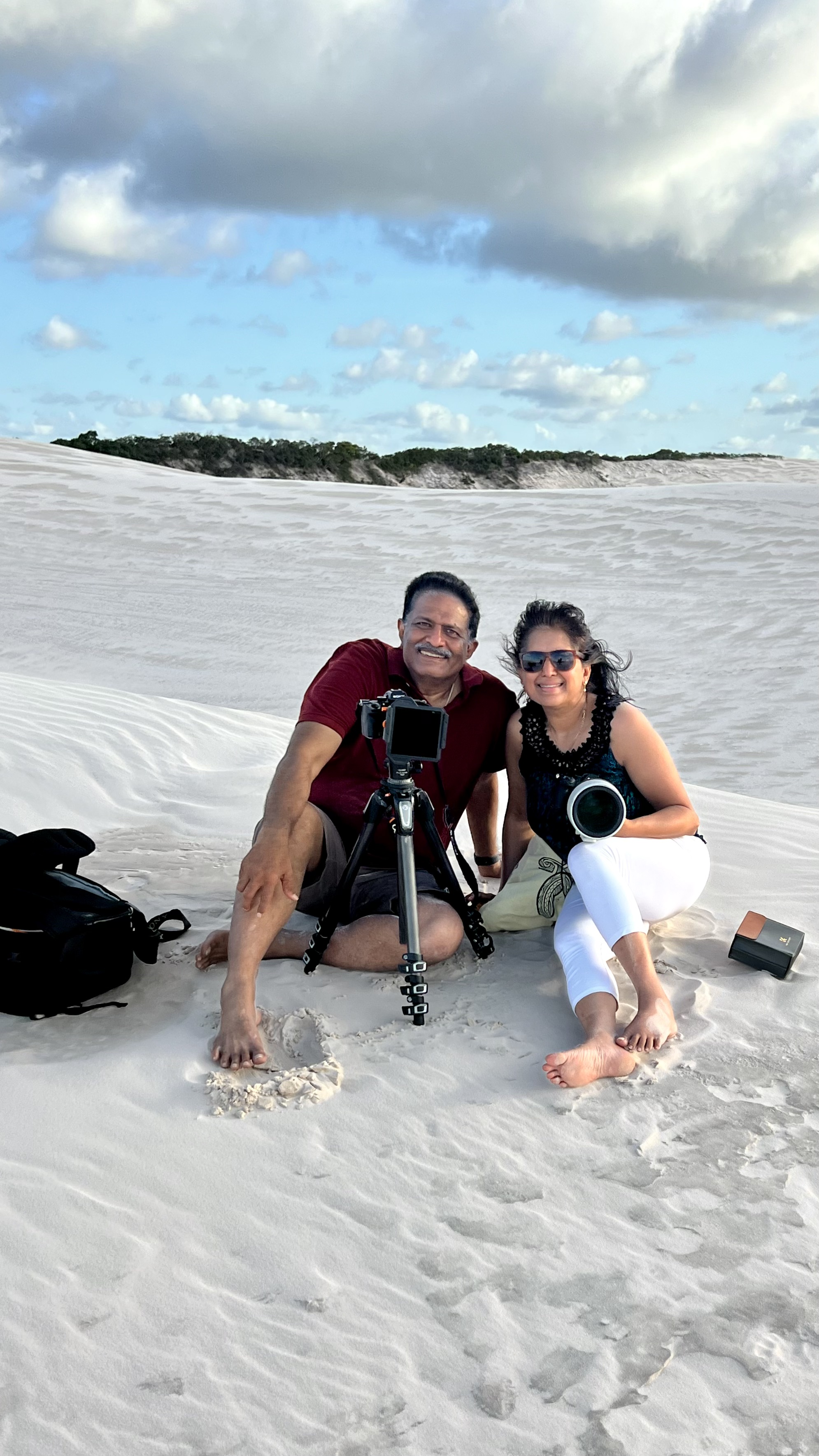
I immersed myself.
Hmm… you cannot get closer to surreal magic than this, I thought. And then, I did-when I swam in the lagoon.
Nothing prepared me for this scale.
Nothing prepared me for how it would stay with me forever.
To keep the Lençóis pristine, soon, only 100 people will be allowed through each entrance near Barreirinhas per half day. Strict? Yes. Necessary? Absolutely. The landscape needs more protection, less promotion.
I’ll raise a glass of suspiciously pink Jesus Guaraná to that (more about this later)
Rota das Emoções — Route of Emotions — continued.
Sounds like the title of a Bollywood saga or a K-drama soap, right?
We were now deep into a 400-mile journey across the northeastern states of Maranhão, Piauí, and Ceará — inching toward Fortaleza. But this was no ordinary road trip.
We cruised on wet sands, skimmed across shallow rivers, and roller-coastered over towering dunes. Unfiltered adrenaline.
A few ferry crossings.
A handful of shaky wooden bridges.
A whole lot of bump.
A must share is Revoada dos Guarás — the flight of the scarlet ibises enroute. The large Parnaíba Delta which is a tangled web of mangroves and tideways — holds this slice of magic.
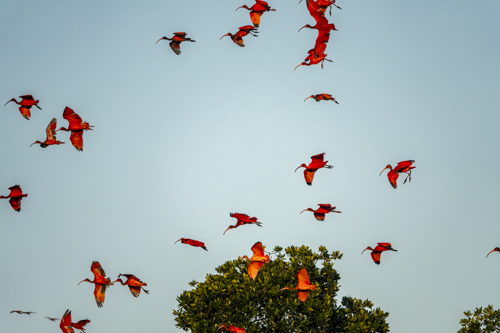
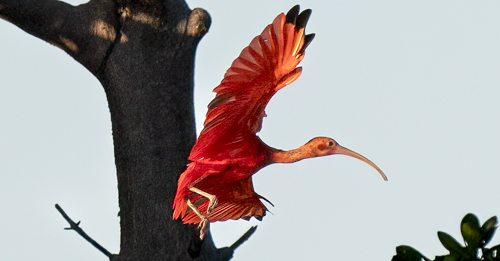
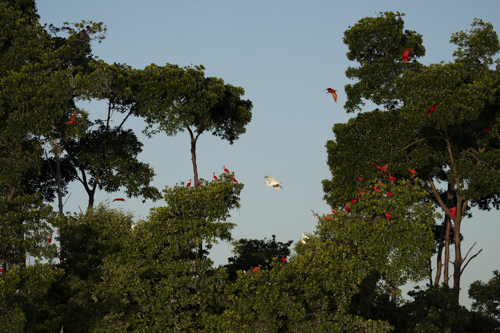
As the sun began to melt into the horizon, the sky started to blush. Flocks of red birds began returning home — streaks of scarlet slicing through the gold-tinged blue. Hundreds of them. From all directions.
Each group converged on a tiny island of trees. Their nightly roost. Their ritual. Their home.
Fifteen minutes of pure precision.
Nature’s own Diwali fireworks.
Ram in the meanwhile? Lost behind his lens, as he follwed them batch by batch.
We wrapped up the route day in Jericoacoara — or Jeri, as everyone calls it. A once sleepy fishing village, now beachy, barefoot bohemia. It had all of four sandy streets unpaved streets.
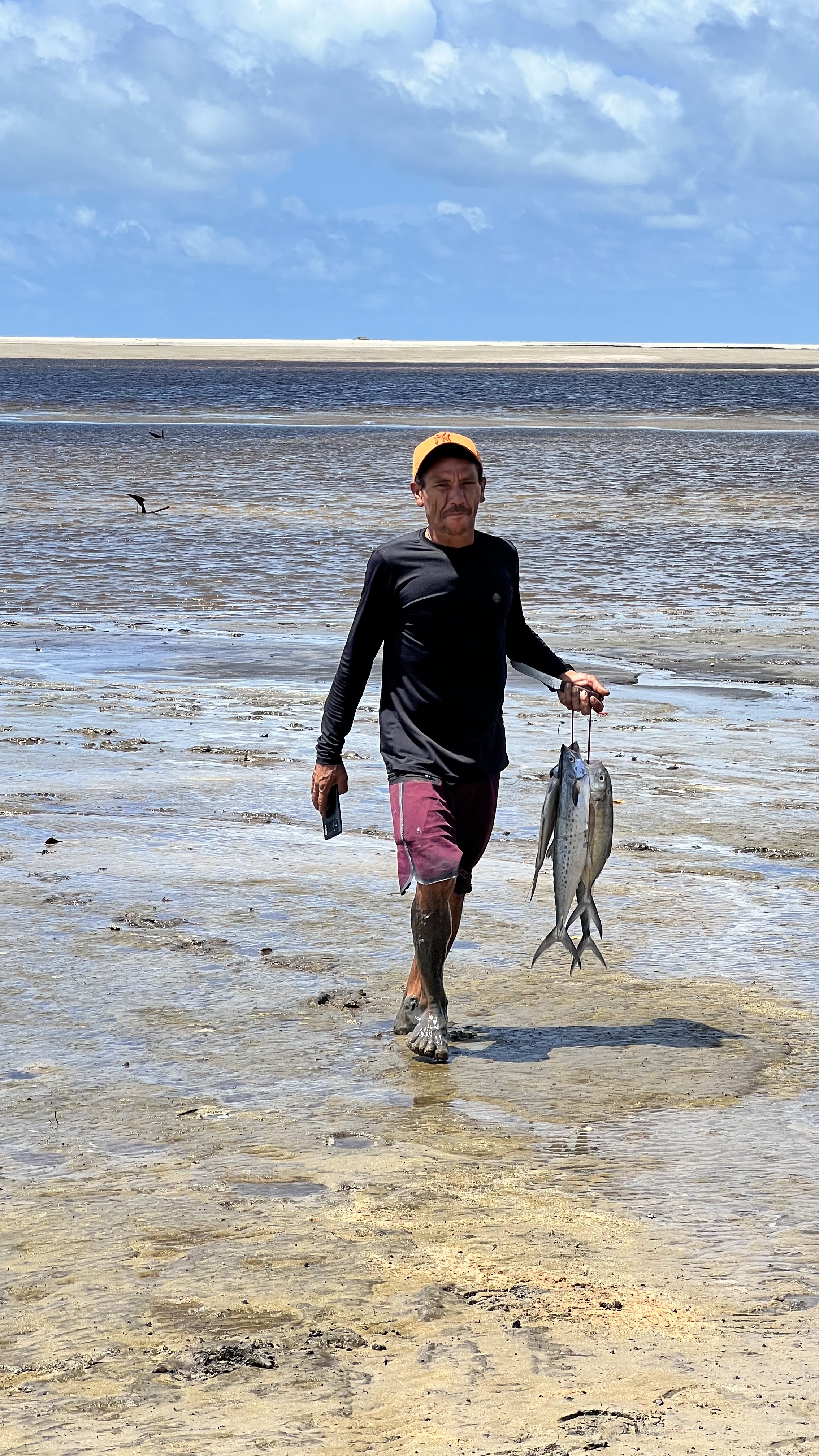
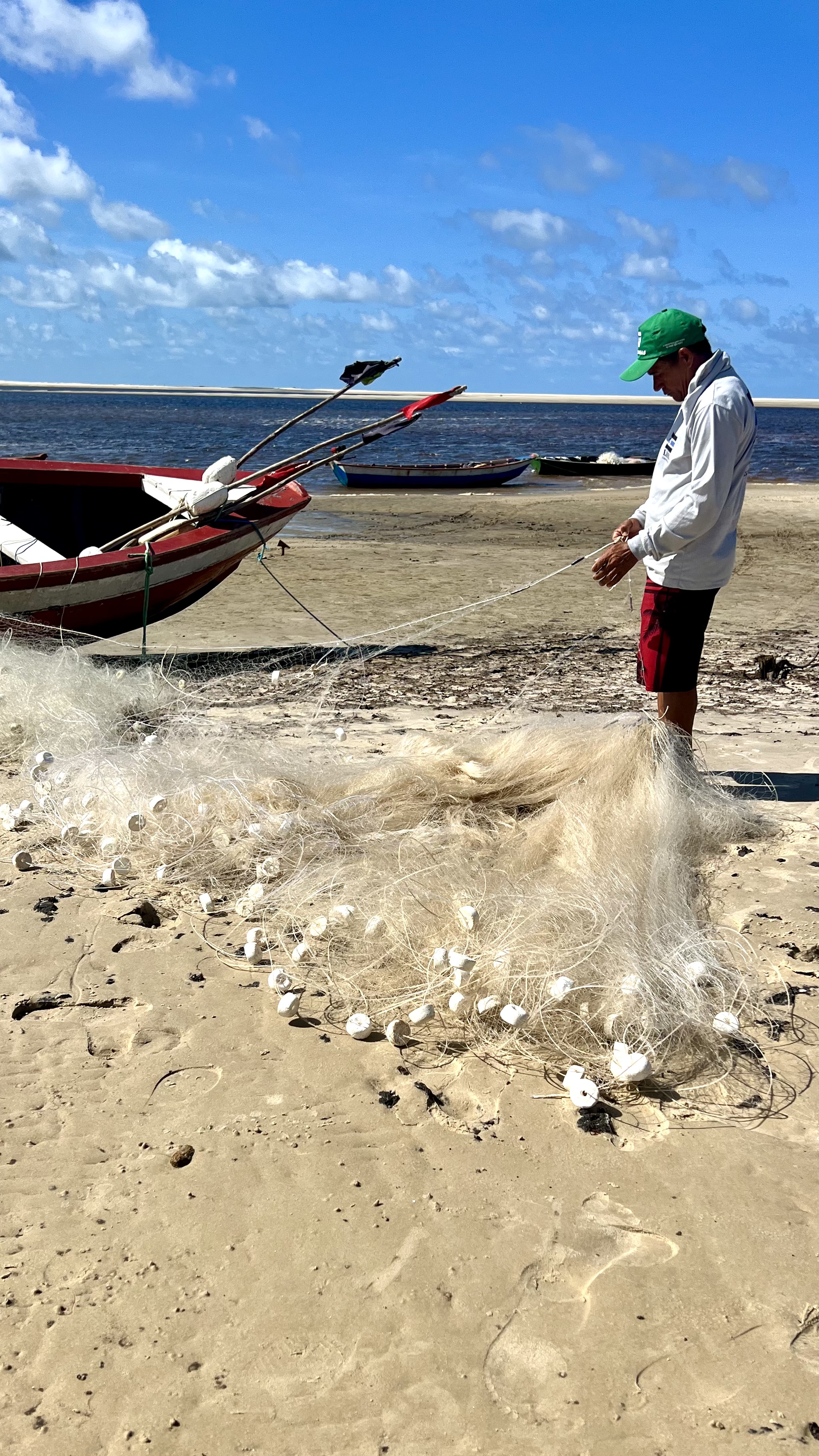
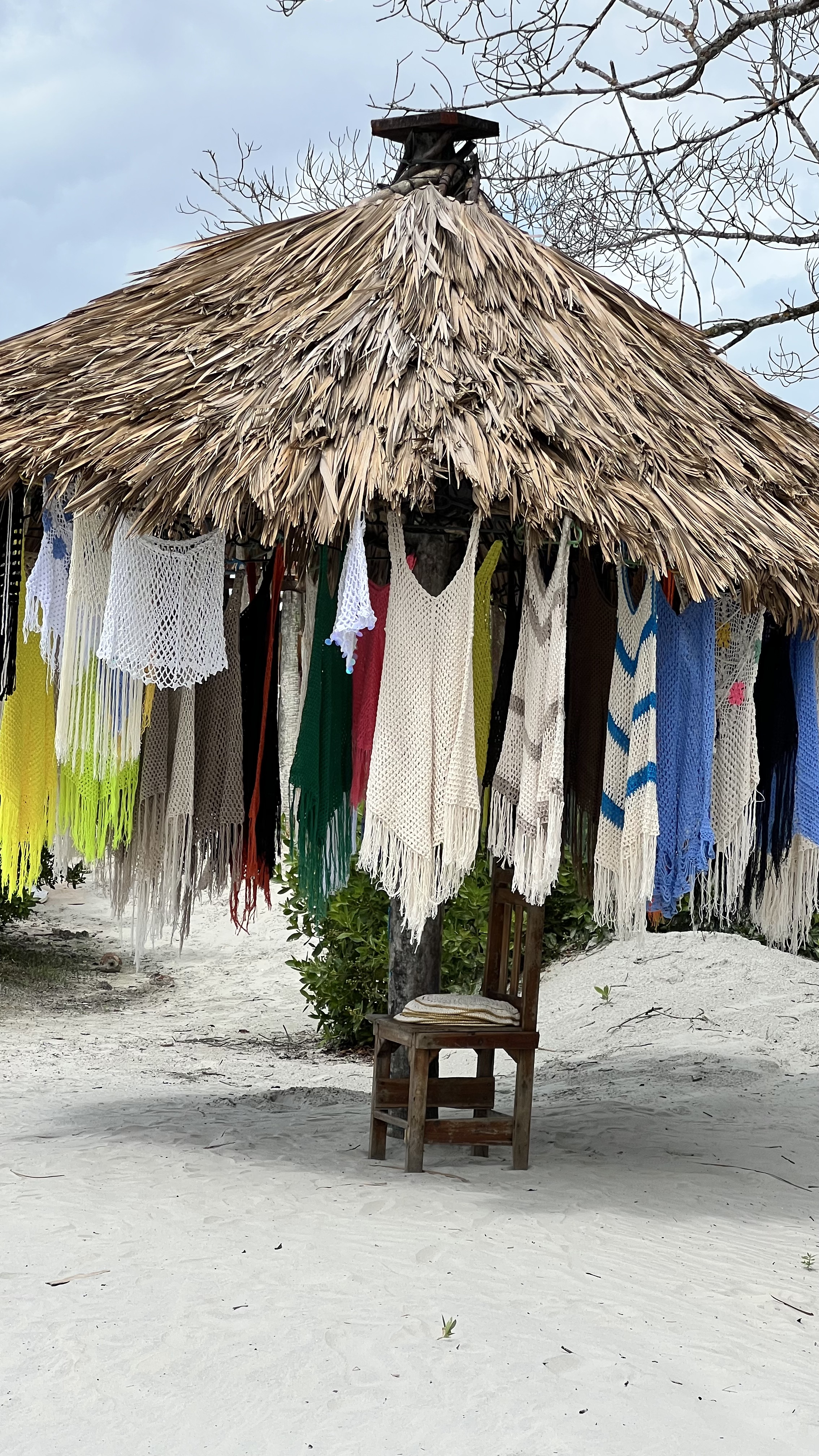
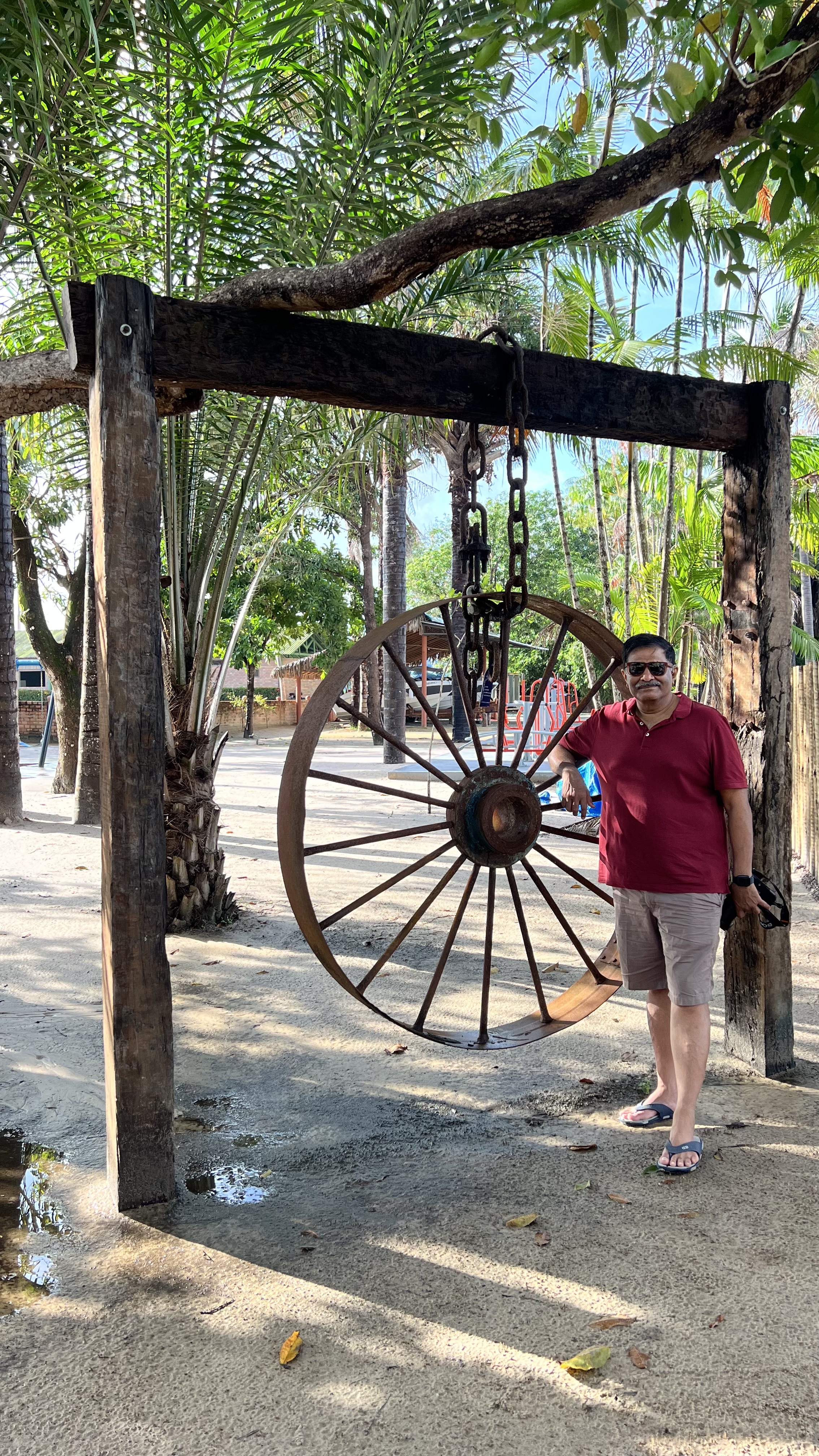
Surf shops. Bikini boutiques. Sand underfoot.
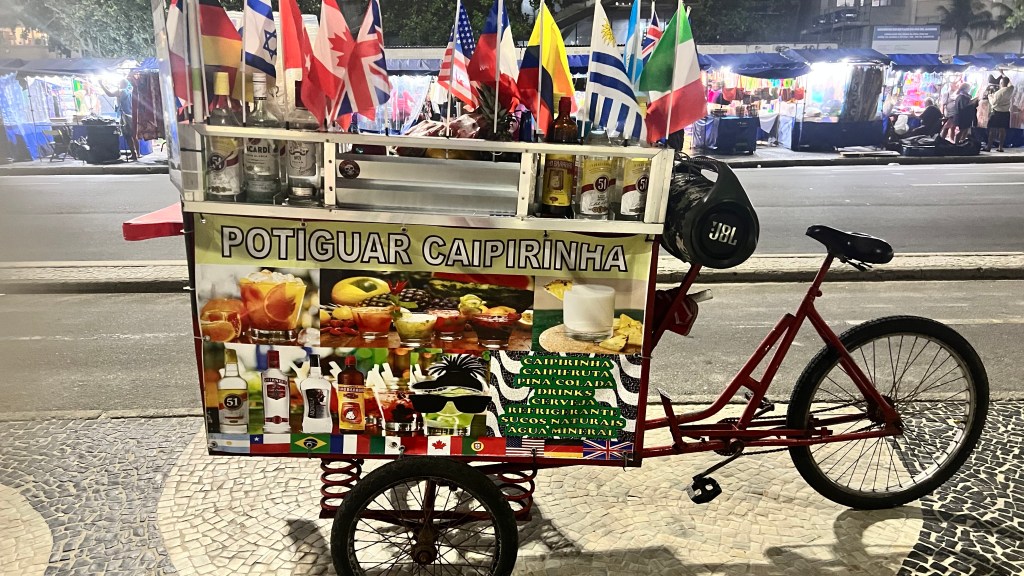
Endless tender coconuts. Fruity caipirinhas served with a side of sea breeze.
Stress isn’t just welcome here .
Quite frankley, I am not sure why this was named route of emotions!
REAL
If the Surreal stunned me, the Real steadied me.
We left the dunes behind — and flew across the country most of the day — to reach something more textured. More grounded. More… real.
The Pantanal.
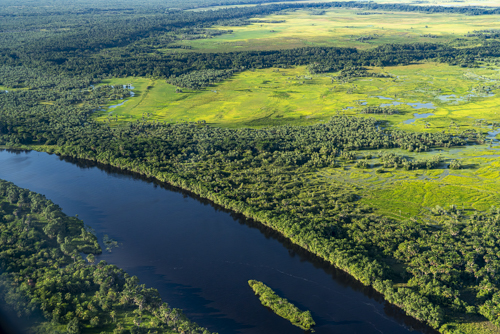
The Amazon may get the headlines. But Pantanal swamps gives the “sensation” in the blog. For a wildlife photographer like Ram — getting THAT iconic shot of the elusive jaguar is THE pivot of this trip.
Sadly, we spotted NONE.
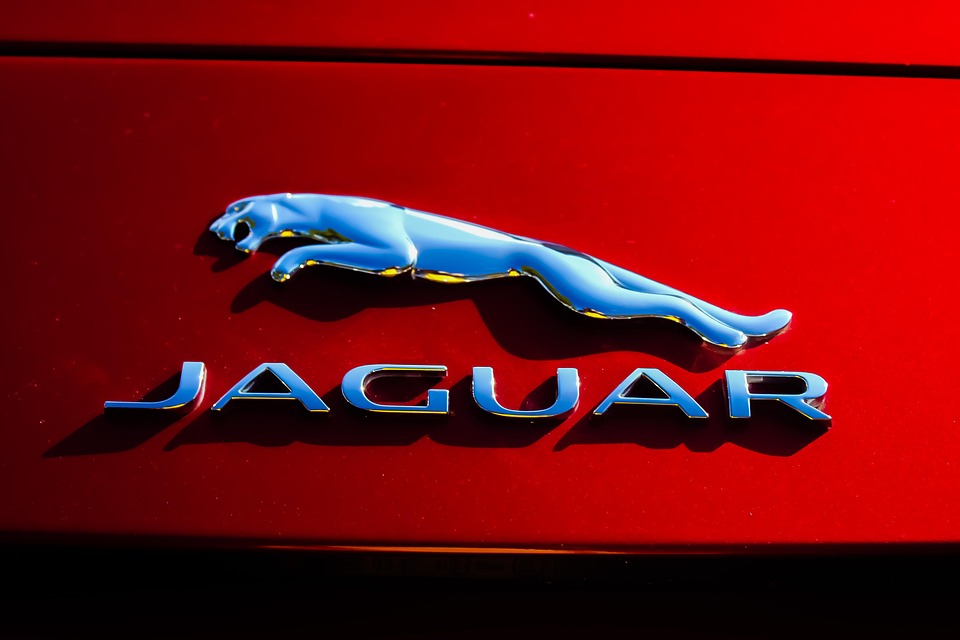
No stripes. No stealth. No star of the show. Hence the opening picture!!
Turns out, a wildlife holiday in the Pantanal is truly unforgettable… just for NOT spotting even one jaguary . Haha.
That, to us is very real. And really disappointing.
From Campo Grande, the journey wasn’t over. Not even close. A long night drive followed — four hours through dark emptiness. Then, finally, the car stopped.
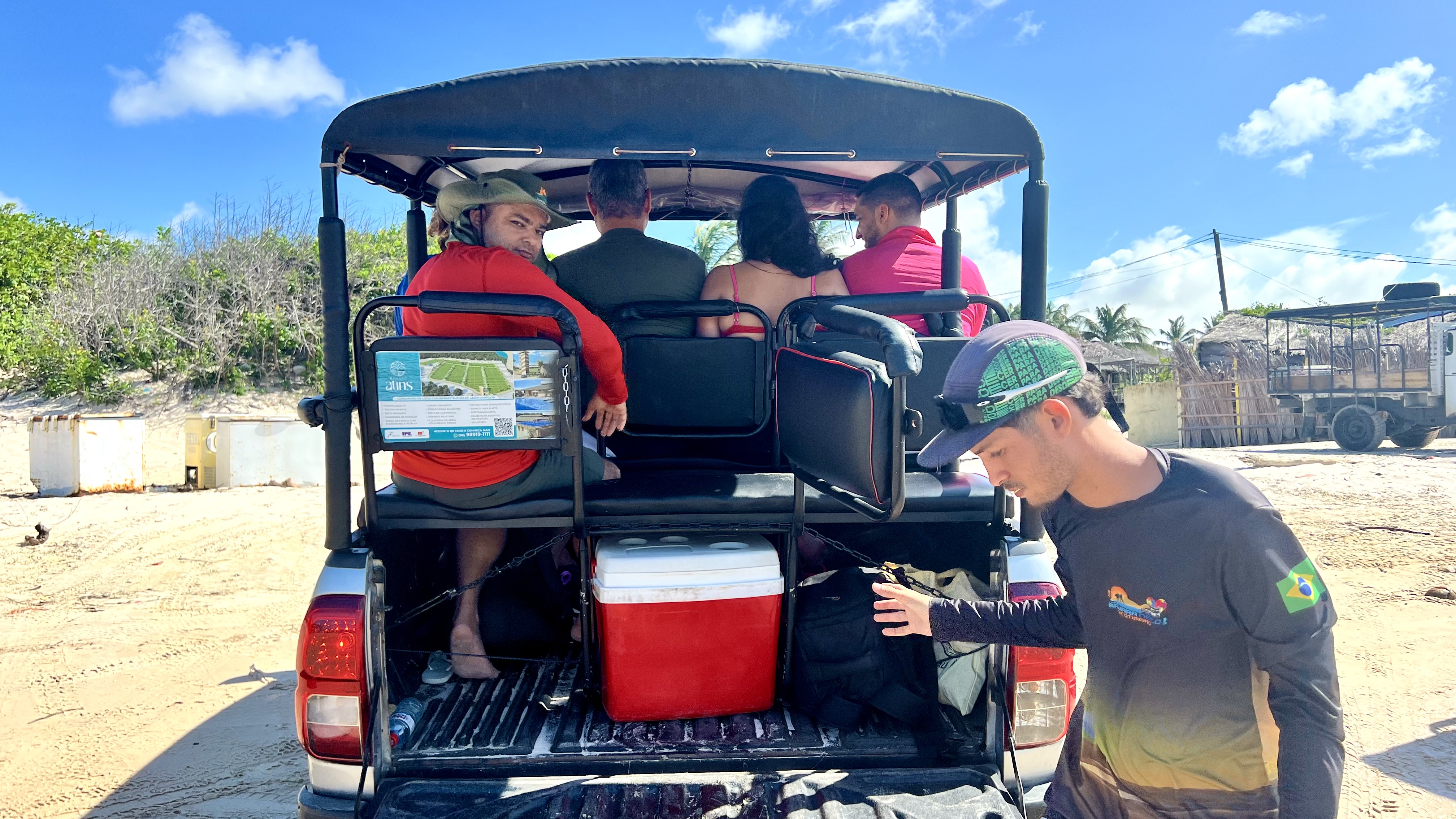
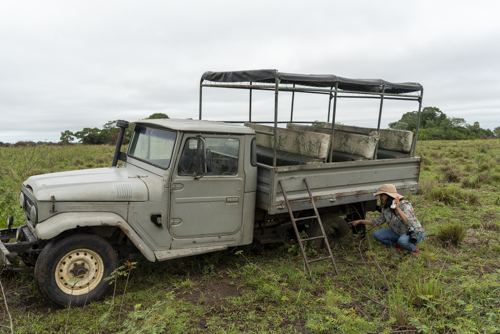
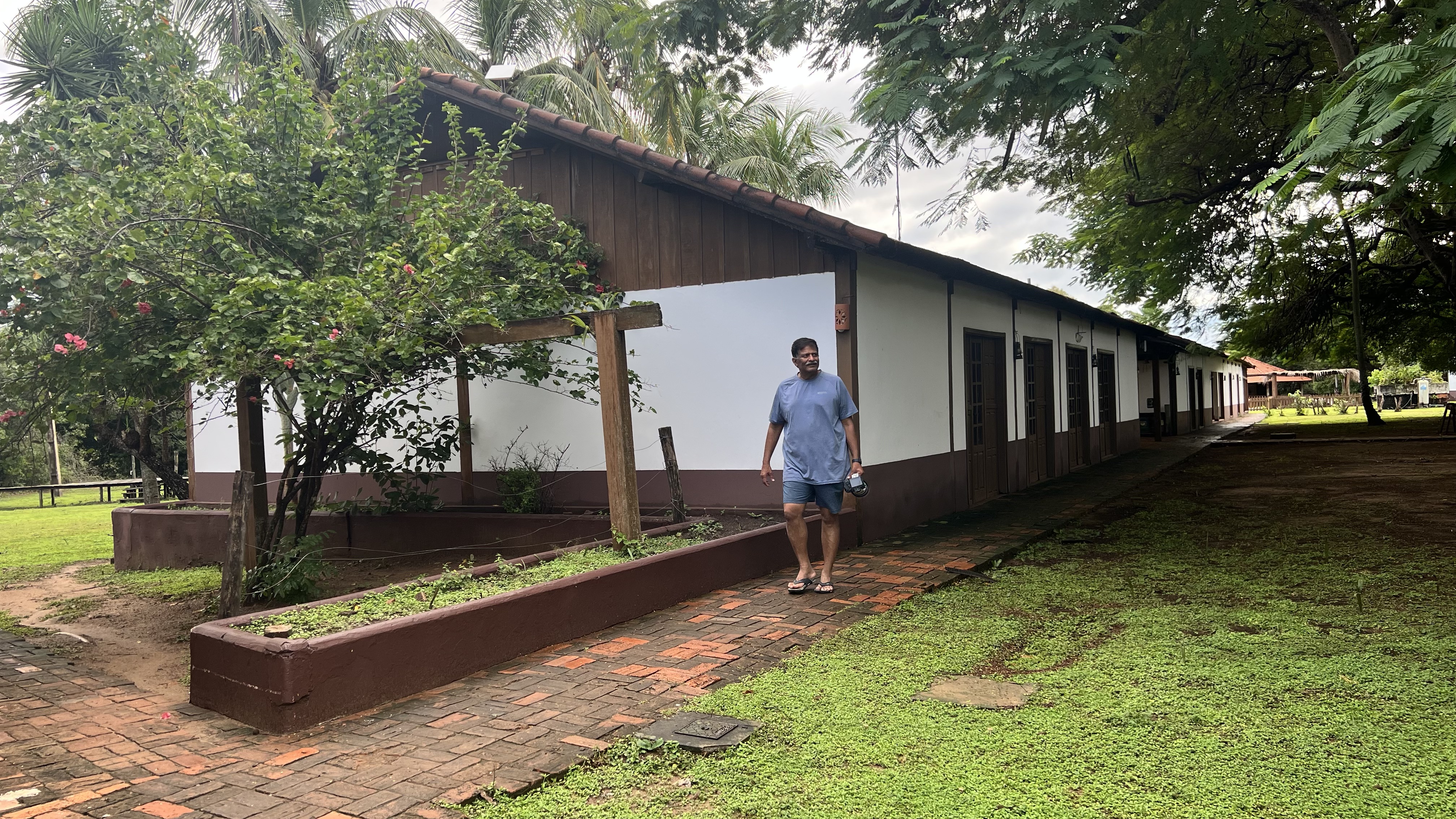
Outside, rain came down in sheets. We were ushered into a beaten- pickup truck manned by Alex ,at the Miranda River crossing. This was the final stretch to Pousada Xaraés — our base lodge at the Pantanal.
Alex was our pantaneiro — a classic Brazilian cowboy. Weather-etched face, old jeans, a worn leather belt, machete at the hip, and a dusty neckerchief knotted .
It was pitch black. I was uncomfortably nervous. Our bags were tossed into the back and covered with a tarpaulin. There was a faint hint of Brahma beer inside the car.
The real adventure began.
There were no roads. Only instinct.
Alex drove through swamped, muddy trails like he was part jaguar himself — reading tracks, dodging logs, and coaxing the groaning Hilux forward through deep water and deeper darkness.
The windshield wiper gave up halfway. We didn’t.
Twenty kilometres. Two hours. One machete which Alex used to chop anything that came our way..
Finally, we made it to Pousada Xaraés.
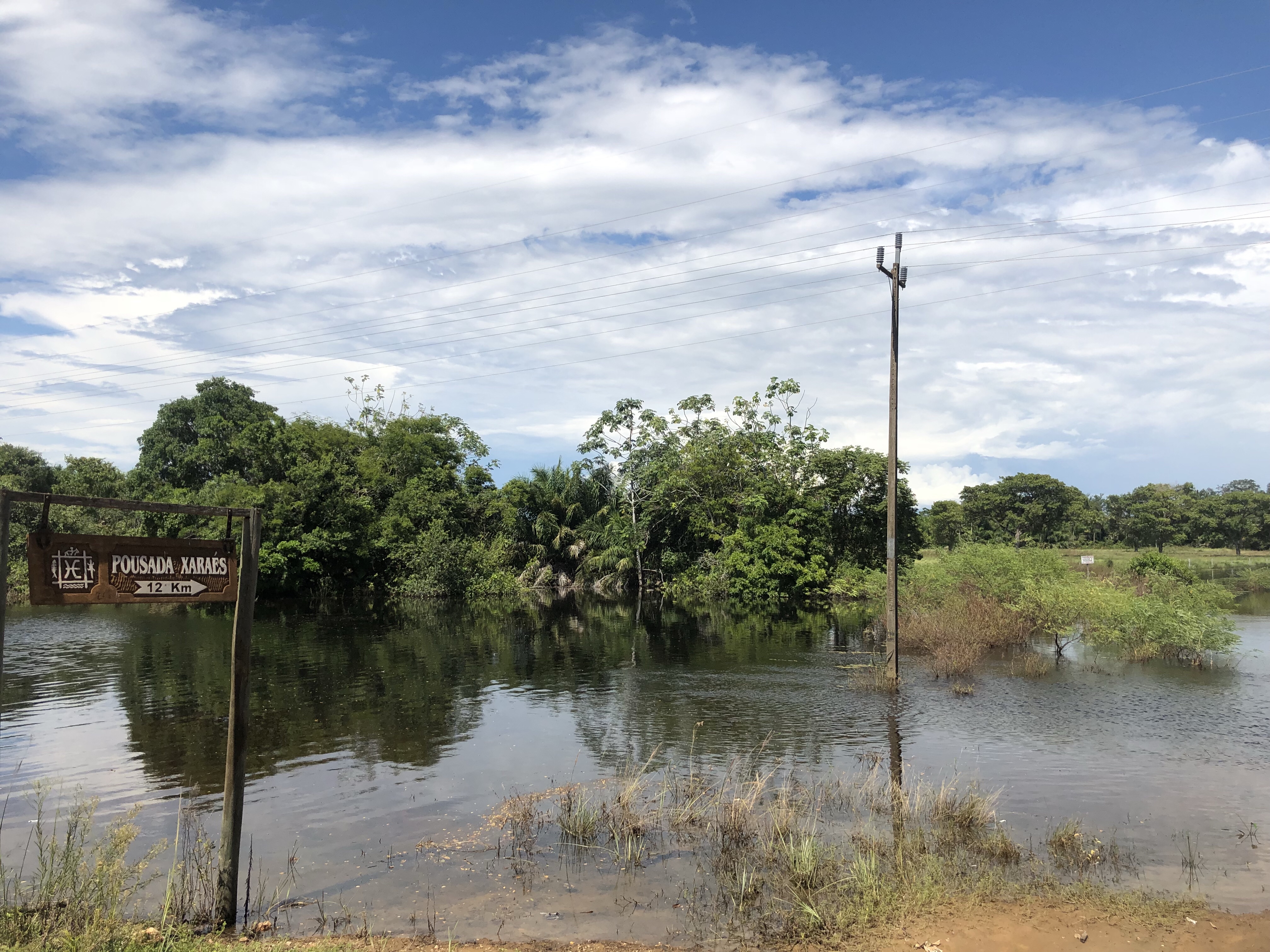
The Real had begun.
Nature calls in strange ways.
Sometimes it’s a whisper of adventure. Sometimes, a glimpse beyond the real.
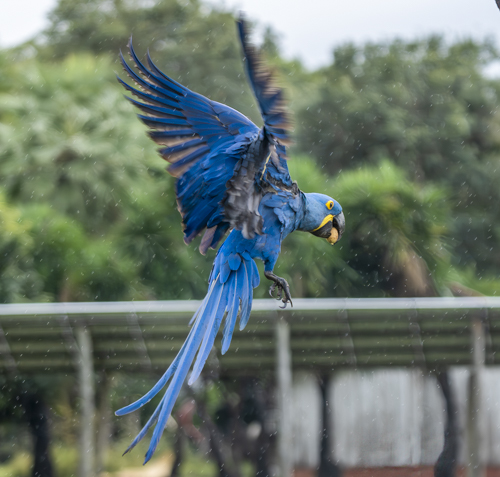
And sometimes, it’s a full-blown cacophony of macaws just outside your cottage door — when you are heading to the dinning hall outside with a Royal chai bag in your hand.
It was a riot of colour: hyacinth macaws, scarlet macaws, all flapping and squawking, at our doorstep. A herd of cattle grazed in a nearby corner like background extras. It was clear — today was going to be dawn-to-dusk birding!
I woke up properly.
The skies above us was thick with colourful birds.
The marshes below were brimming with creatures I couldn’t pronounce, let alone identify.
(My brain was still recovering from Barreirinhas, Lençóis, Maranhão — and now this!). Mammals, vague and mid sized at ground level.
This was a completely different world.
Biodiversity on steroids.
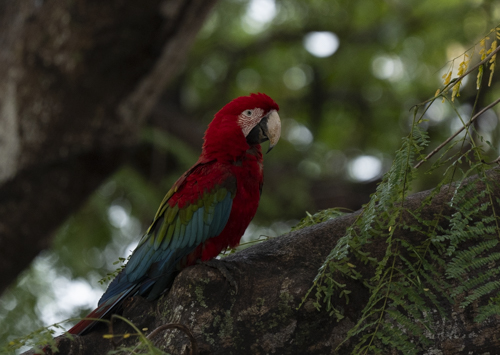

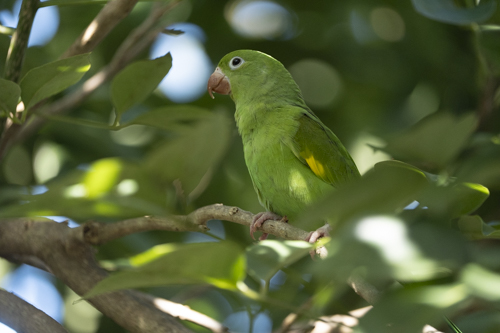
Pousada Xaraés demanded you connect. Differently. Deeply.
The cattle ranch life looked rugged — everything depended on water, and the rainy season had mostly stood them up. The land waited. So did the animals.
We spotted caimans lounging like prehistoric lifeguards.
Capybaras loafed about — oversized rodents with the body of a dog, a triangular head, and the overall appeal of a shaggy beanbag.
Giant otters glided through the swamps with serious attitude.
At one point, our safari jeep — manned by Alex, our cowboy-guide-philosopher — got well and truly stuck in the mud.
By midday, we abandoned ship and finished the safari on foot, ankle-deep in swamp.
Welcome to the beating, breathing heart of South America.
The lodge was remote. No neighbours. No other tourists.
Just us — and a battalion of mosquitoes.

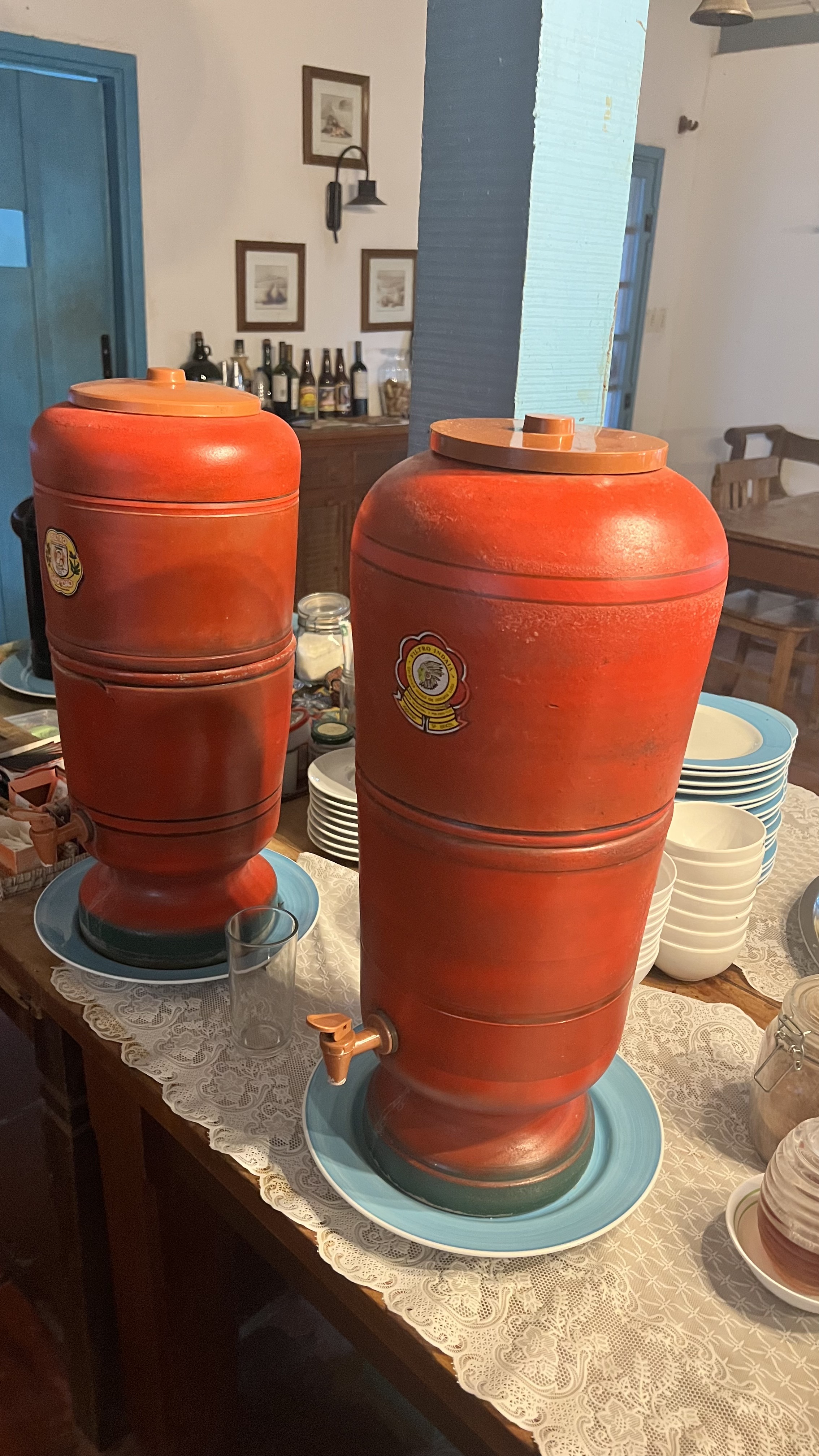
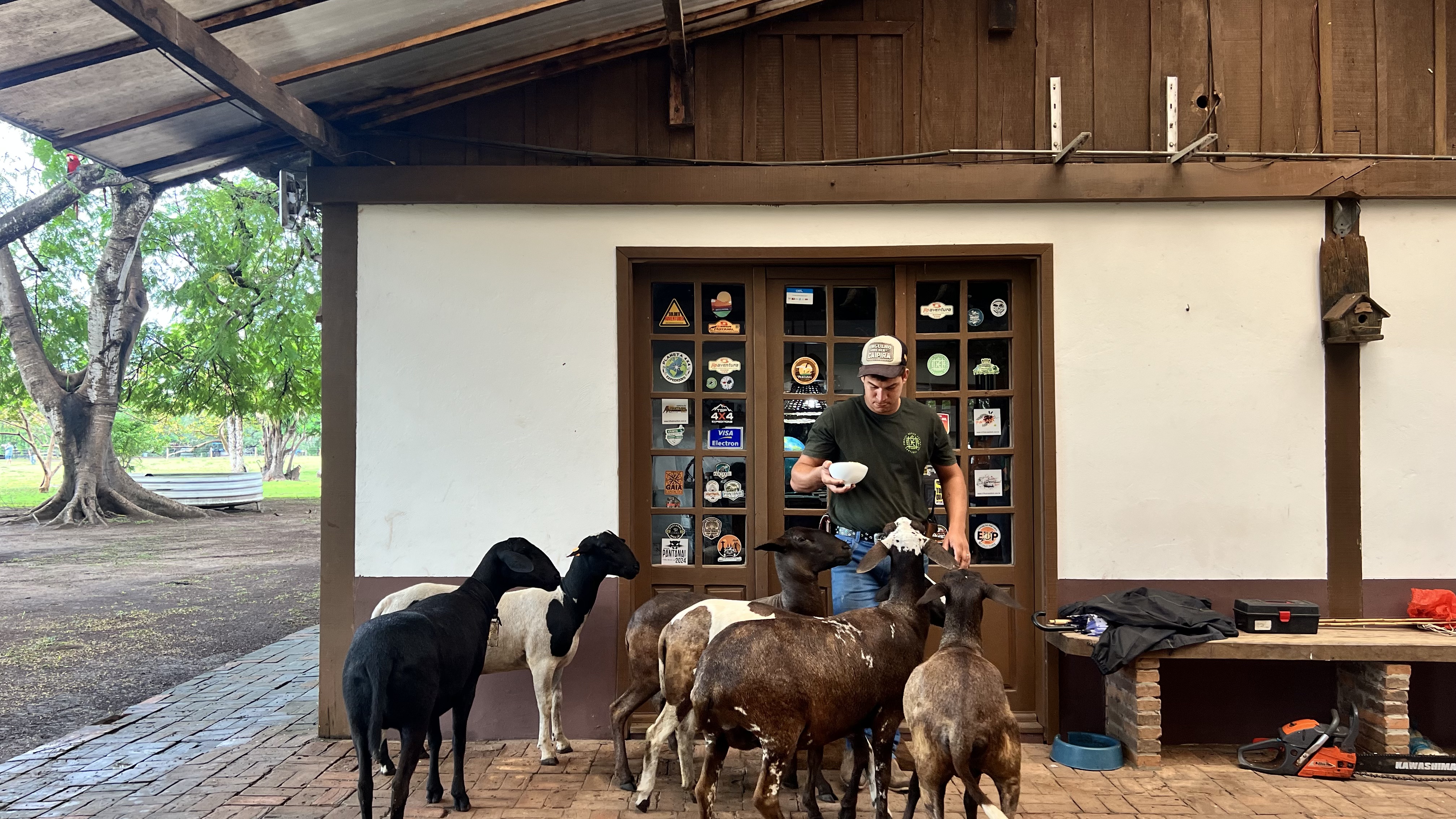
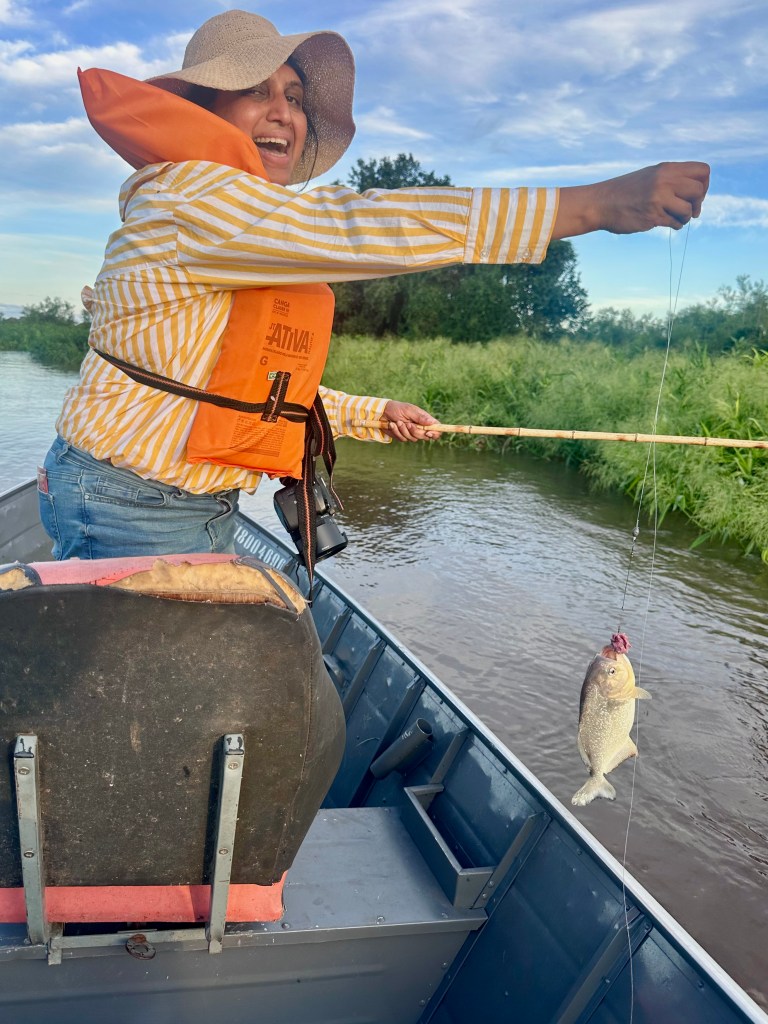
We spent our days wading through wetlands, floating down the Miranda River, soaking up the real Pantanal. The bumpiness of the roads began to feel routine.
But the jaguar disappointment? That grew with every passing hour.
Sharing a few photos here — because, once again, words fail me.
Blame it on Brazil!!
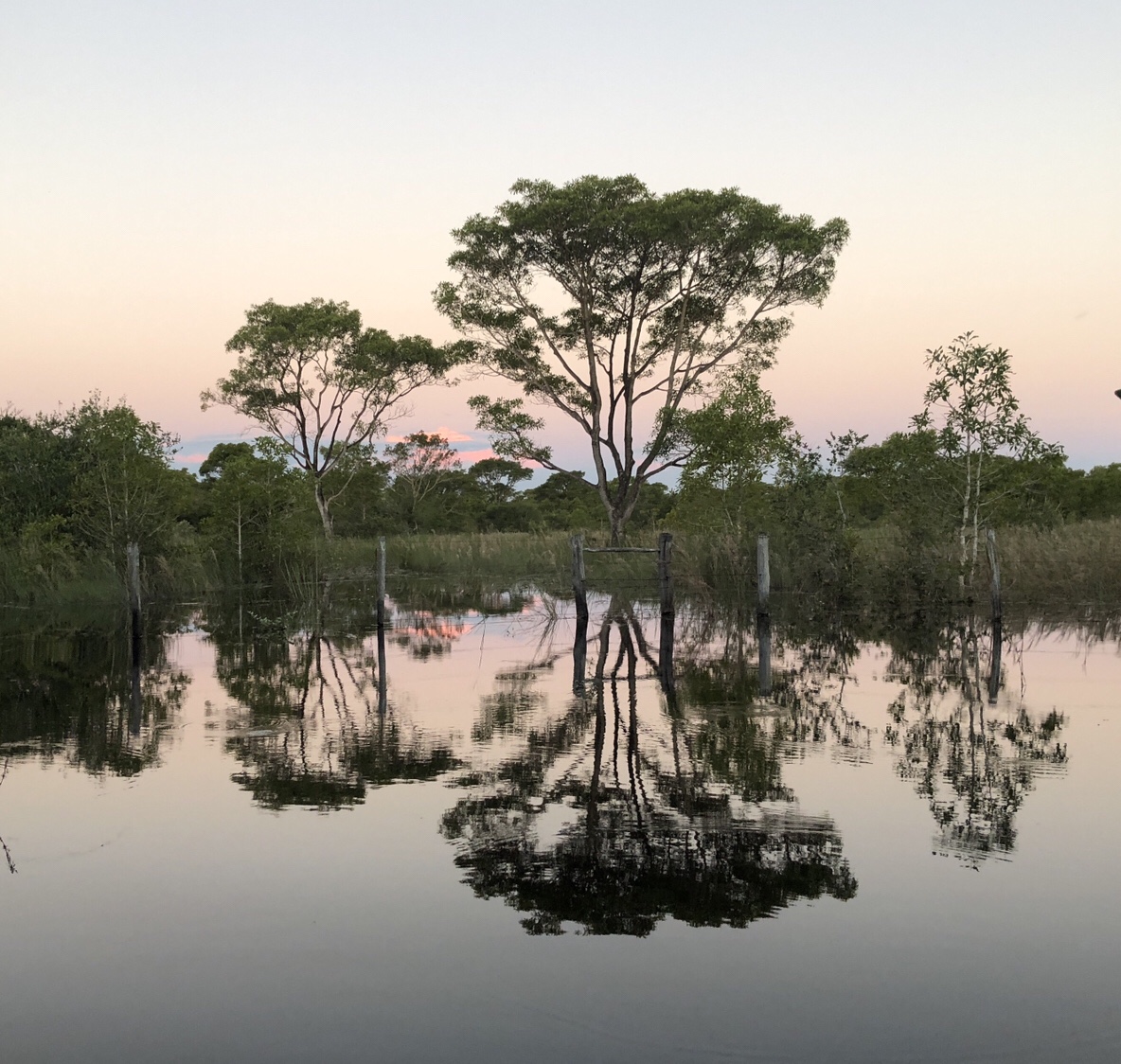
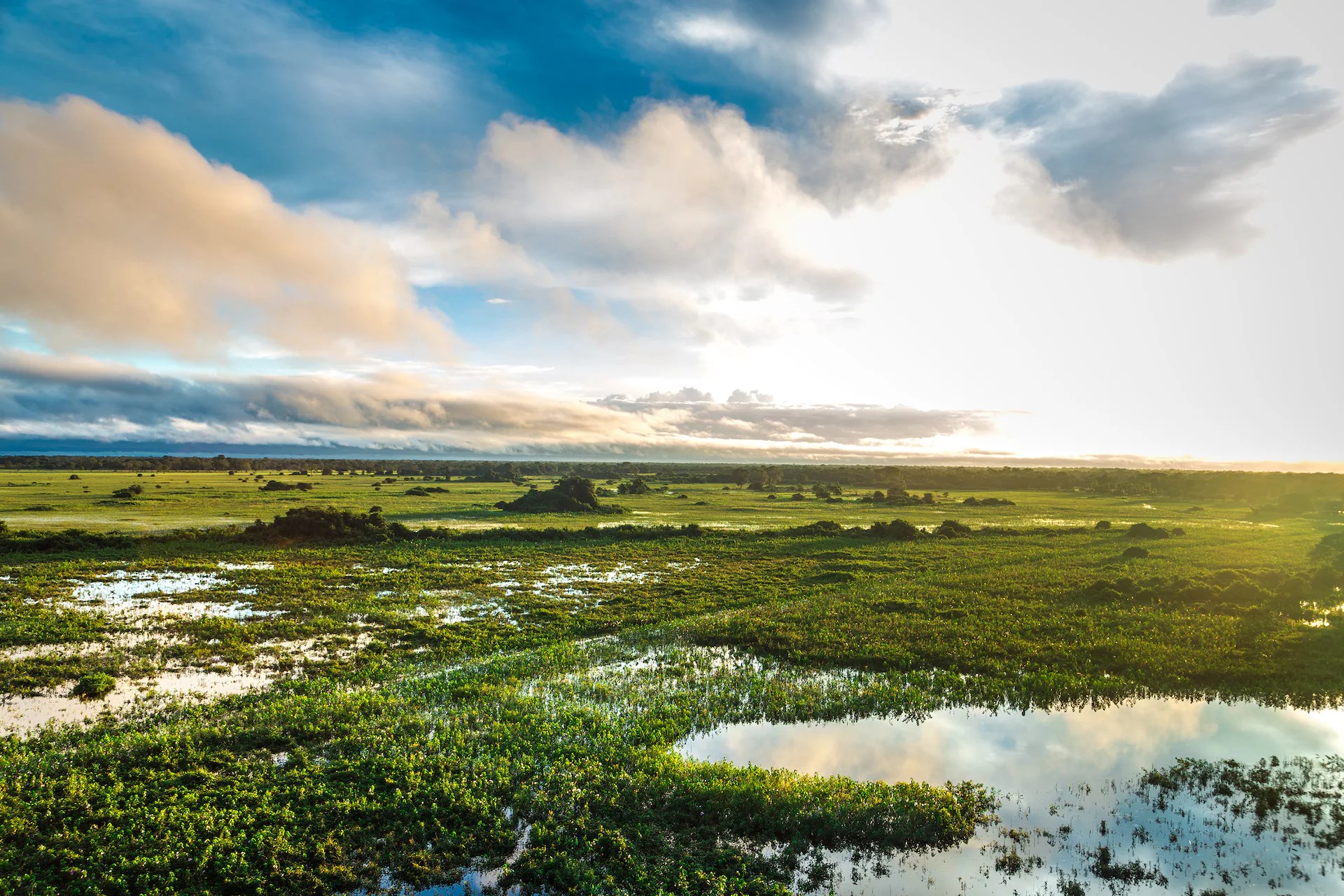
But that was the real Pantanal.
Raw. Unpredictable. Uncurated.
The climate has shifted. The rains have slowed. The economy’s broken.
And there’s very little urgency — from private landowners or the government — to fix any of it.
Now there’s talk of building ports and waterways along the Paraguay and Uruguay rivers — turning this water kingdom into a commercial corridor.
The Pantanal, this soggy, living Noah’s Ark, may not be around much longer.
And that’s really real. Reality check!
UNREAL
Iguaçu doesn’t whisper. It roars.
From the Brazilian side, it’s a giant amphitheatre of crashing water that stretches wider than your imagination. Mist rises like smoke. Rainbows appear and disappear like cues in a stage show on both Argentinian and Brazilian sides. The bigger the falls got, the smaller I felt.
Eleanor Roosevelt reportedly muttered, “Poor Niagara.”
Now I know why.
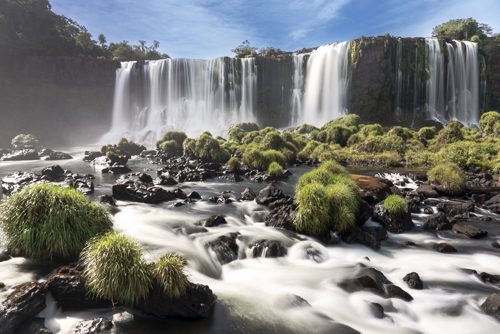
We based ourselves in Foz do Iguaçu — a curious border town where Brazil, Argentina, and Paraguay rub shoulders. Nothing feels entirely local. I didn’t even realise we were just a few miles from Uruguay. But it’s all forgiven, because the real spectacle lies just beyond.
We spent few hours tracing the Brazilian walkways. Spray on our faces, wind in our ears. Commercial with crowds. Tripod ready. Shutter dialed low. The water fell like silk in front and behind the camera lens. Ram was engrossed over his exposure settings while waterfalls crashed around us and crowds jostled for space…”most frames are going to be hard to delete”, I thought to myself.
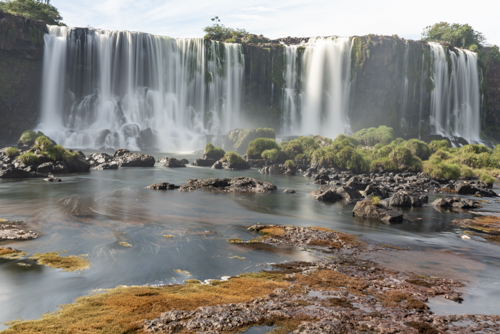
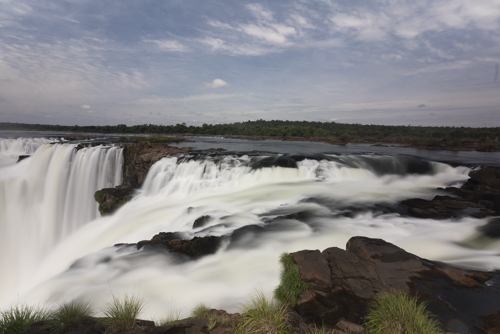
Iguaçu hits hard and fast — not just as water .
A place that somehow deafens you into silence.
And as I stood there, I thought of Victoria falls. Iguazu is 30,000ft wider. May be Angel falls in Venezuela one day in our travels as taller. The sweeping perspective and sense of scale — it felt exactly like the title of this chapter. Unreal.
And no, I hadn’t had a caipirinha. Yet.
REAL
Rio. The Real metropolis. Real is the currency too!
We landed at GIG airport and took a cab into the city, guided by a chatty Carioca driver who delivered a highlight reel of Rio in crisp English and with typical flair.
What Brummie is to Birmingham, Carioca is to Brazil — or more precisely, to Rio.
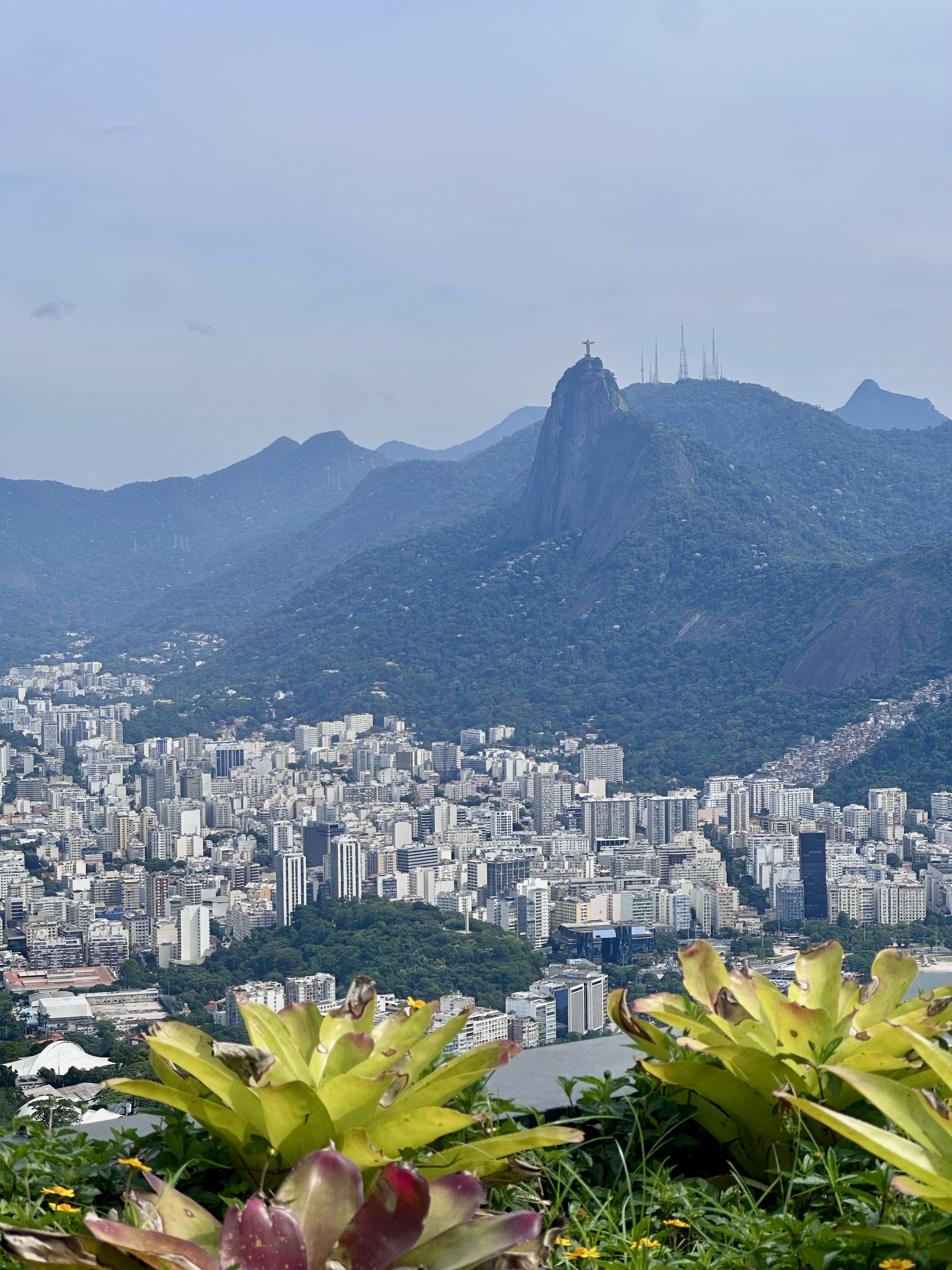
The city had a combination of mountains and sea front. Rich and poor. Old and new.
Futebol was ubiqutous.
Futevôlei ( football meets volleyball) all along the copocabana beach.
The Carnival spirit lingered faintly. And on the long curve of Avenida Atlântica, it’s hard to tell who lives in million-dollar apartments and who comes down from the favelas — the bodies on the beach are all sun-kissed and glorious, with no postcode required. This was the long beach of Copocabana with a typical tiled pattern of pedestrain walk path.
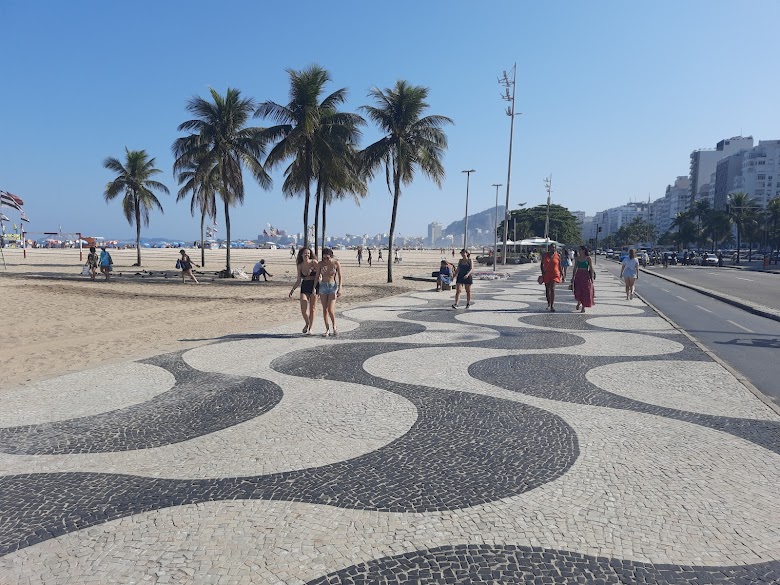
Everyone fits. Everything flows.
We did most of the touristy sights over a couple of days.
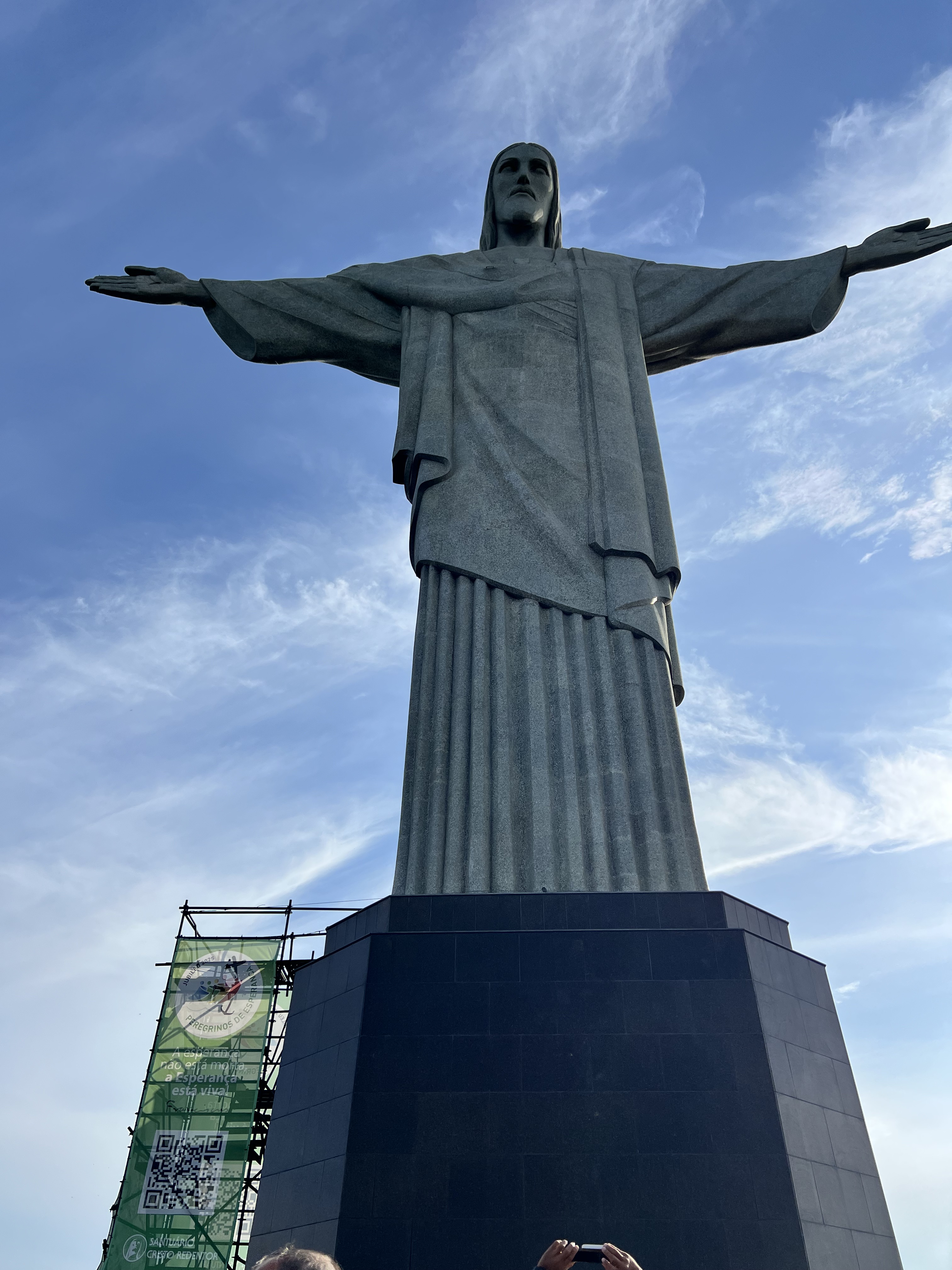
Christ the Redeemer from Corcovado — towering, up close. I watched, slightly jealous, as two cyclists climbed the punishing gradient up the mountain.
Sugarloaf’s cable car delivered every promised panorama — and got thoroughly photographed.
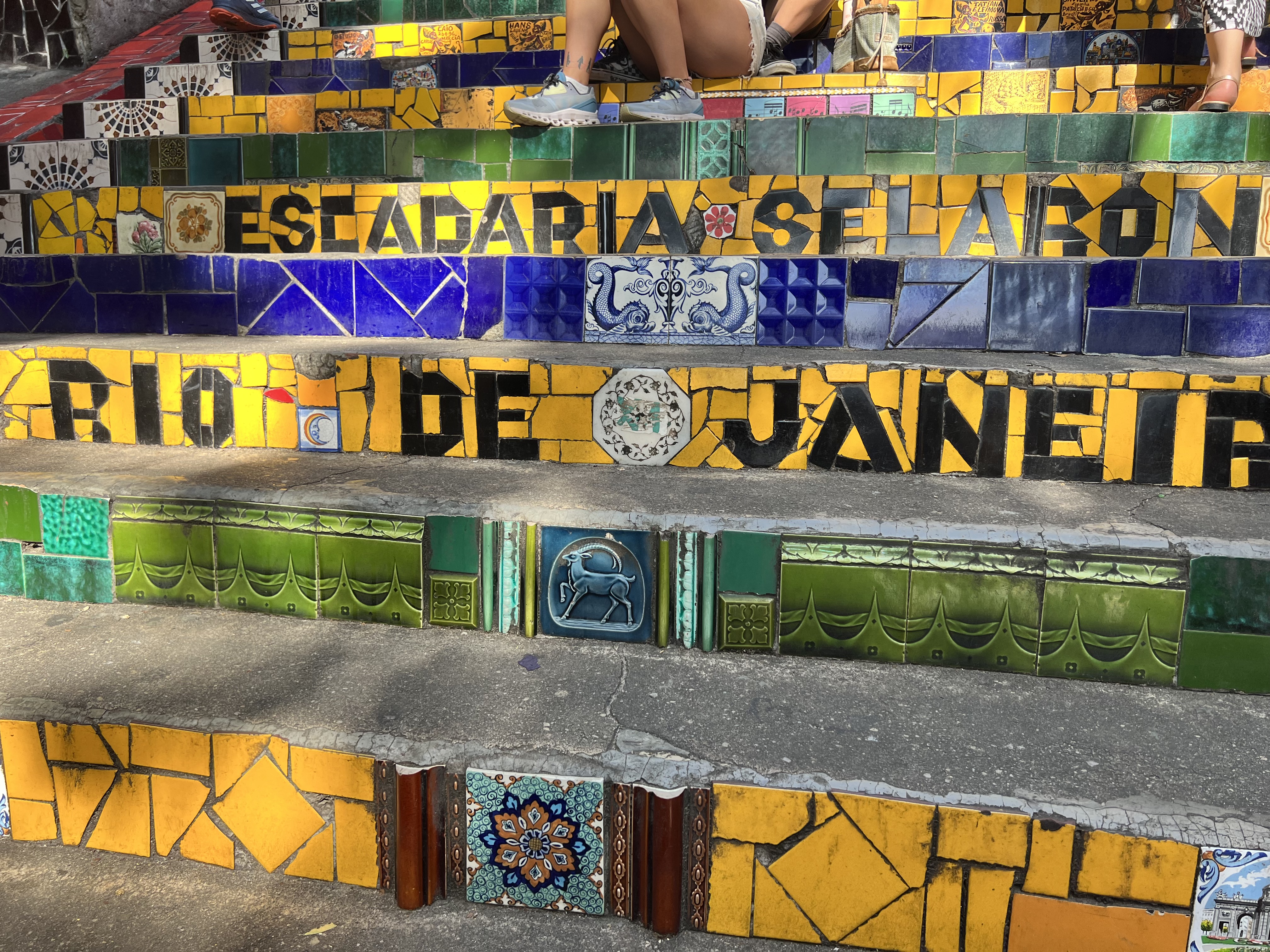
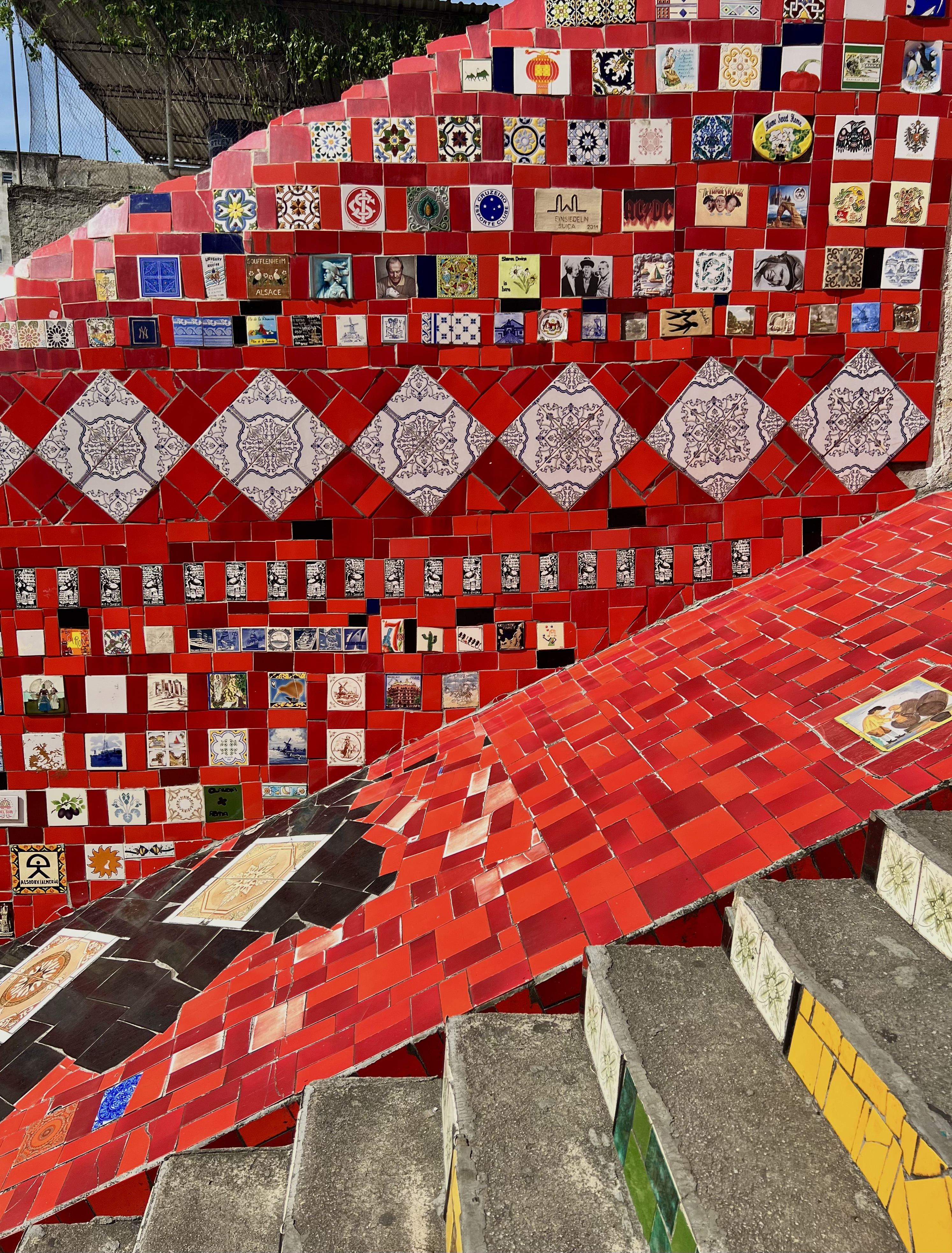
The Escadaria Selarón in bohemian Santa Teresa, with its red mosaic tiles by Chilean artist Jorge Selarón, was my favourite touristy moment. We walked up all the way to Lapa
We skipped the favela tours. Slum tourism didn’t sit right with Ram.
I, meanwhile, mentally framed it as a colourful sketch.
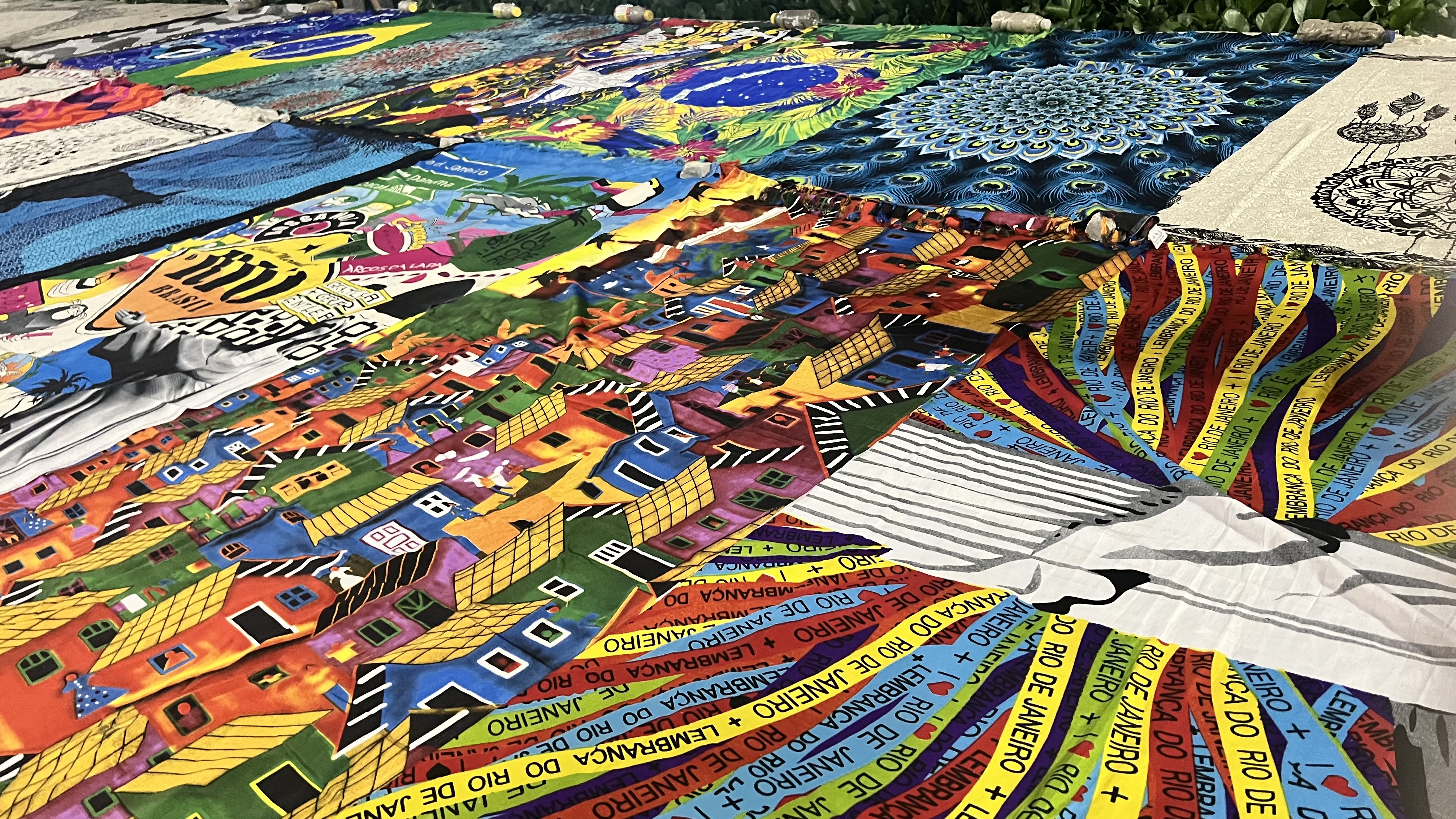
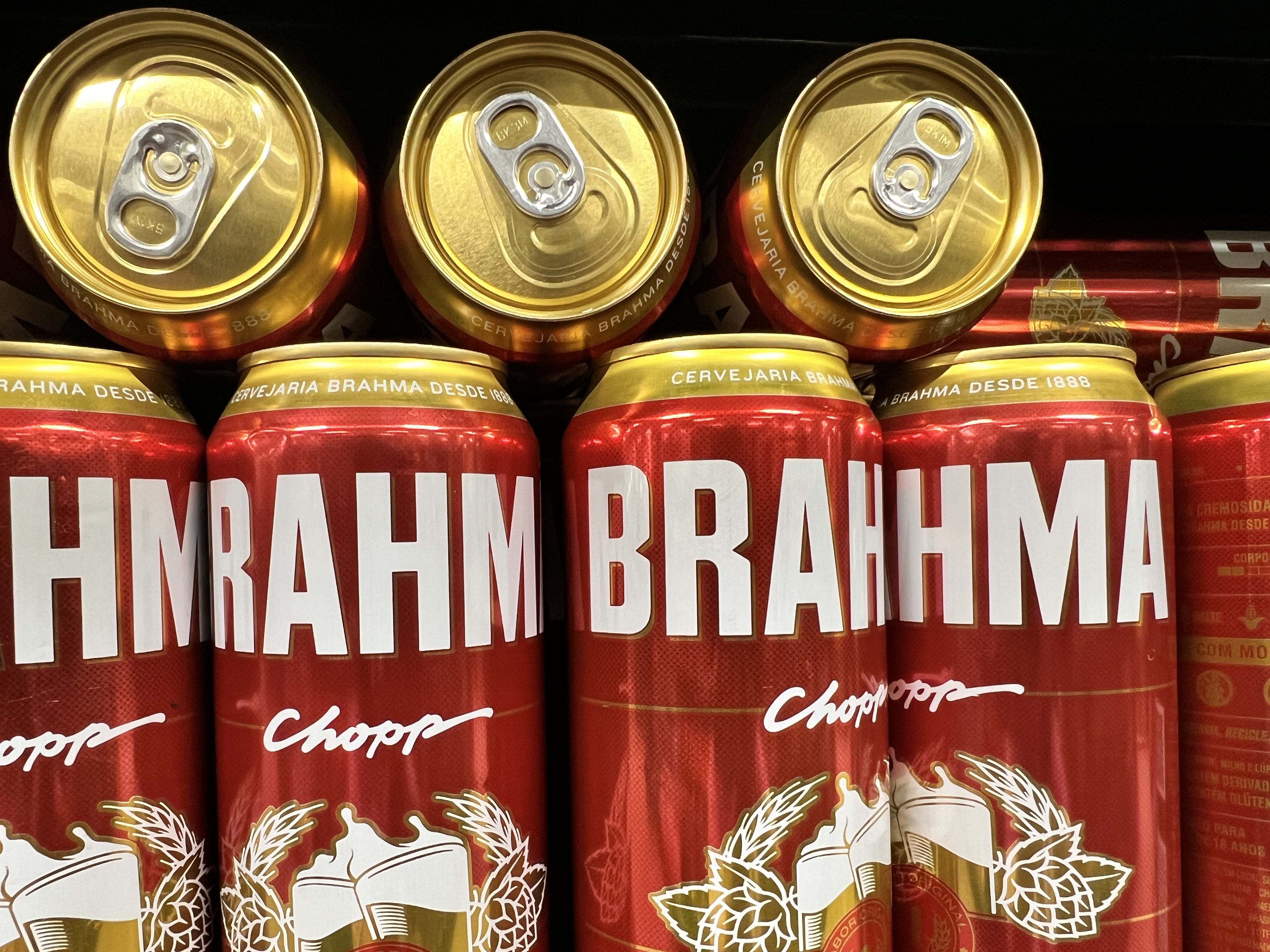
As in most of my blogs, let me touch on Brazil’s iconic eats:
Feijoada, pão de queijo, brigadeiro, açaí bowls, tapioca pancakes, farofa…
Vegetarian odds? Let’s just say: hit or miss on taste and flavours. But have realised the meat and sea food is a treat for most foodies.
Most breakfasts were forgettable — but guavas and papayas came to the rescue, every single time.
There are many reasons to visit Brazil.
Guaraná Jesus — a bubblegum-pink fizzy drink — is not one of them.
“Tooth-rottingly sweet,” I muttered.
“You start young, you get used to it,” our driver replied, cracking open another can with a grin.
Finally, Didn’t make it to a Maracanã match — just saw the legendary stadium.
Didn’t try churrasco — just went to a churrascaria.
Didn’t samba under the stars — only felt its rhythm in the air.
Didn’t laze on the beach with a canga — just admired the dozens who did.
Didn’t sip slow coffee in Lapa — just dont drink coffee.
And yet—
Brazil left me speechless.
Culpa do Brasil.
(Yes — Kalpa does Brazil!)
Blame it on Brazil.
Discover more from kalpa'sblog
Subscribe to get the latest posts sent to your email.

excellent
LikeLike
Thank you for taking time to read it so quickly. Feel encouraged!
LikeLike
Thank you
LikeLike
Wow! Kalpa, you are living life king size ! Great experiences ! Great memories! Keep going!
LikeLike
The journey just left me speechless Kalpa since this wasn’t wh
LikeLike
Your little positive nudges has boosted me in so many ways. Grateful dear Titikssha
LikeLike